
Mahindra & Mahindra has planned several all-new ICE (internal combustion engine) and EV (electric vehicle) launches over the next five years. In the EV segment, the new XEV and BE range has already been generating volumes for the carmaker, and helping Mahindra increase its market share to 23.8% in June 2026 from 16.8% in the same month previous year. Aiming to further strengthen its presence in the EV space, the indigenous automaker plans to expand its XEV and BE lineup, while also introducing a range of SUVs based on the Vision concepts.
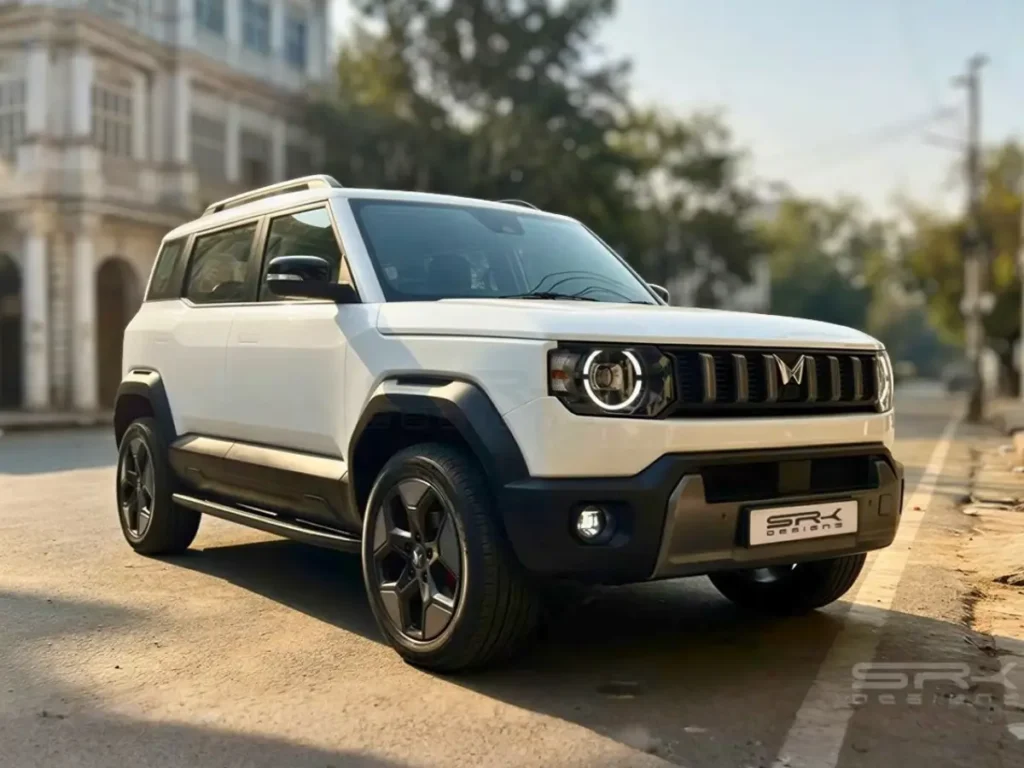
The production-ready Mahindra Vision S sub-4 metre SUV is expected to join the Scorpio N family with its official debut in late 2026. It will become the first Mahindra SUV to be built on its all-new NU-IQ modular platform, which supports petrol, diesel and electric powertrains. This architecture will play a pivotal role in Mahindra’s future passenger mobility strategy.
Mahindra has revealed that the new NU_IQ platform comes with several advanced technologies including a variable-ratio steering rack, a five-link rear suspension with active dampers and a new domain architecture (NU_UX). Mahindra believes that its new Vision SUVs based on the NU-IQ architecture are engineered to achieve 5-star safety rating in BNCAP, Euro NCAP and ANCAP crash tests.
All Mahindra Vision concept have been designed by the Mahindra India Design Studio (MIDS) in Mumbai, in collaboration with Mahindra Advanced Design Europe (MADE), UK.
Following the launch of the Mahindra Vision S, the carmaker is likely to introduce the Vision X concept-based SUV, which could be positioned above the XUV 3XO in the company’s portfolio. Similar to the concept, the final version might feature a crossover-ish design with upright stance and a high ground clearance. It’s expected to arrive sometime in 2027.
While Mahindra is yet to reveal the powertrain details of the upcoming NU_IQ architecture-based SUVs, these models are expected to be offered with multiple powertrain options including petrol, diesel, hybrid and electric.
Rendering source