
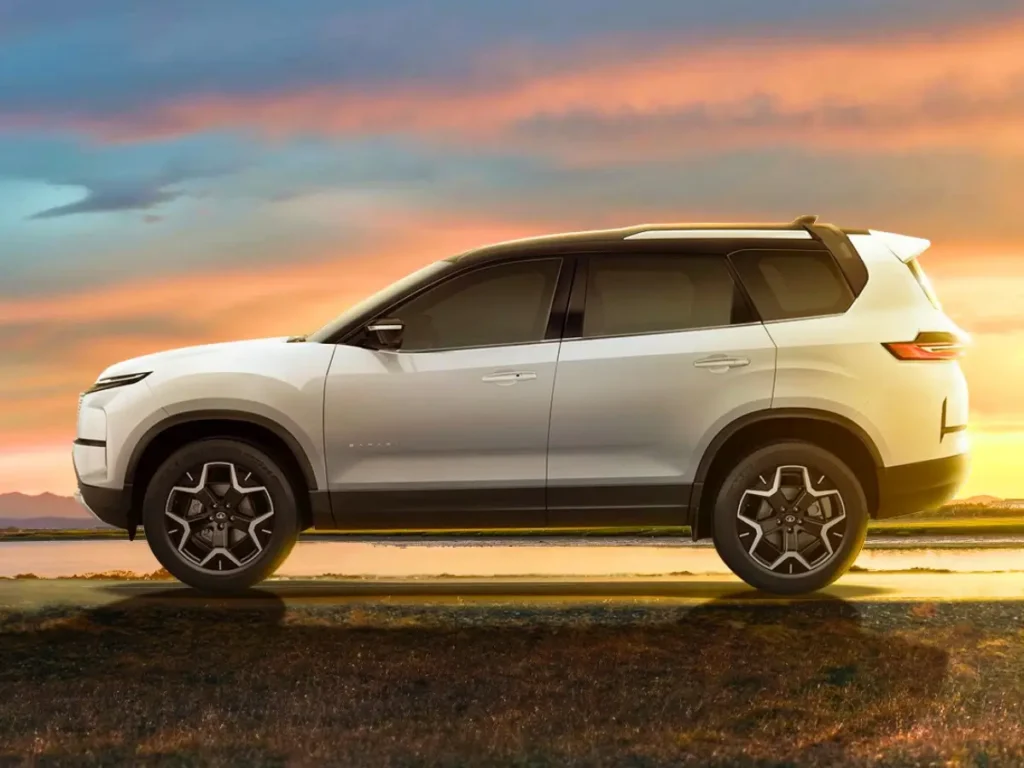
The festive season will be on full swings in October, and several carmakers are planning new product launches around the same period. Honda Cars India has confirmed that the Elevate facelift will make its official debut in the first few weeks of October, while Tata Motors will roll out the Safari EV before the 2026 Diwali season. Hyundai Motor India is also set to introduce a new midsize SUV, which is widely expected to be based on the Bayon compact crossover.
Here’s a closer look at the key details of these upcoming SUVs.
Honda Elevate Facelift
The 2026 Honda Elevate facelift is expected to receive subtle design changes and feature upgrades, while retaining the existing engine setup. On the exterior, the SUV could feature a slightly revised grille, redesigned LED lighting elements, tweaked bumpers and newly-designed 17-inch alloy wheels.
To enhance its value proposition, Honda may equip the Elevate facelift with several new features, including a new theme, dual zone climate control, a panoramic sunroof, ventilated front seats and more. Under the hood, the new Honda Elevate is likely to retain the existing 1.5-litre, four-cylinder naturally aspirated petrol engine and two gearbox options – a 6-speed manual and a 7-speed CVT automatic.
Hyundai Bayon
The new Hyundai midsize SUV (based on the Bayon) will be positioned against the Maruti Victoris and other SUVs in the segment. According to reports, the SUV could be offered with the Creta’s 115bhp, 1.5-litre, four-cylinder naturally aspirated petrol engine along with a CNG powertrain. Transmission choices will include a 6-speed manual and a CVT.
In terms of features, the new Hyundai Bayon SUV is expected to offer a dual screen setup, a new steering wheel with Hyundai’s four dot motif, multiple airbags and more. The new Hyundai SUV is likely to feature the brand’s latest ‘Art of Steel’ design language.
Tata Safari EV
Based on the Acti.ev+ platform, the upcoming Tata Safari EV is expected to share its powertrain options with the Harrier EV. This means the SUV lineup will be available with 65kWh and 75kWh battery pack options, with a dual motor AWD setup reserved for the larger 75kWh battery. The Safari EV is expected to deliver a claimed range of over 500km on a single charge.
Inside the cabin, the Tata Safari EV will feature TiDAL (Tata Intelligent Digital Architecture Layer) and E&E architecture. These systems will support features such as auto park assist, over-the-air updates, low-speed cruise control, a 540-degree surround view camera system, UPI-based in-car payment and more.