






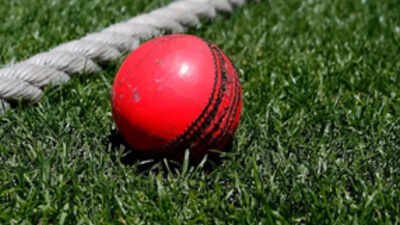
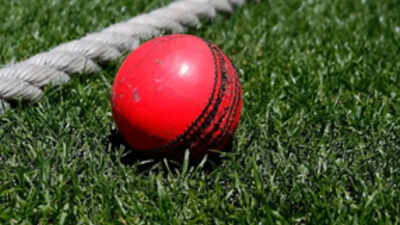
Bengaluru: With the game of cricket constantly evolving, the International Cricket Council (ICC) made a slew of changes to its playing conditions, which came into effect from Oct 1. Some of those changes included a pink-ball trial in Tests and time-wasting penalties.Fraser Stewart, the Head of Cricket at Marylebone Cricket Club, opened up beyond the laws in a media interaction here on Monday.Modern cricket is batter-friendly, and now the ICC playing conditions say five penalty runs for time-wasting. Is it a way of levelling the playing field?The law has always been there. It’s just rarely been enacted, and I think now the ICC have said, right, we’re going to try to toughen up on this a bit. I think the more we can do to try to speed up play, the better it is. Otherwise, the public who pay a lot of money to watch cricket feel short-changed.I think what the umpires try to do is to highlight to players that there are laws that cover this and if you waste time, it will catch up and there will be an in-game penalty of runs rather than a fine afterwards.On pink-ball trial in day-time Tests…That’s an ICC playing condition rather than a law of cricket. I believe, in a bilateral series, say, India playing Australia, it’s for them to agree among themselves for a particular game, are we going to use a pink ball?Some people have thought you can start with a red ball and then when it gets a bit dark, you switch to pink. That’s not, as I understand it, what’s happening. Both need to agree and if they are happy to play with the pink ball, perhaps because they think that it’ll mean there can be more play after bad weather.One big concern is the over rates. How does MCC act on this?The laws do provide a remedy, both for batting and bowling sides. It’s for umpires to enforce those laws and, if they think the pace of play is too slow, whether it is the fielding captain or the batting side, and say, you’re on a warning; it will result in penalty runs.But the umpires do need to enforce that, and be backed up by the match referees.