








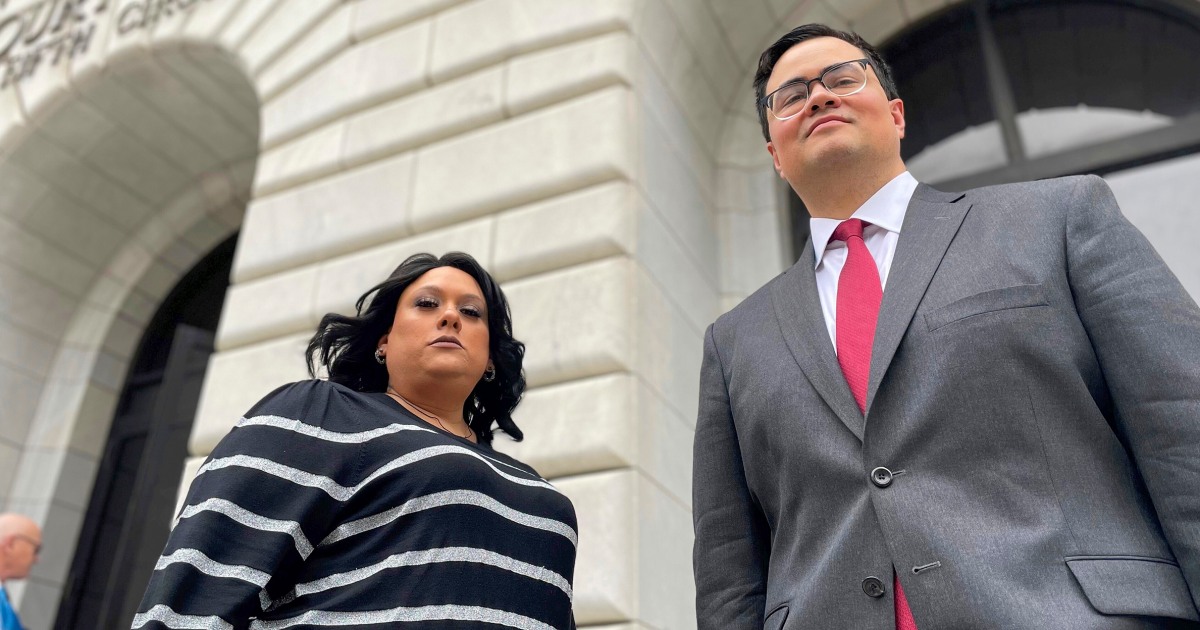
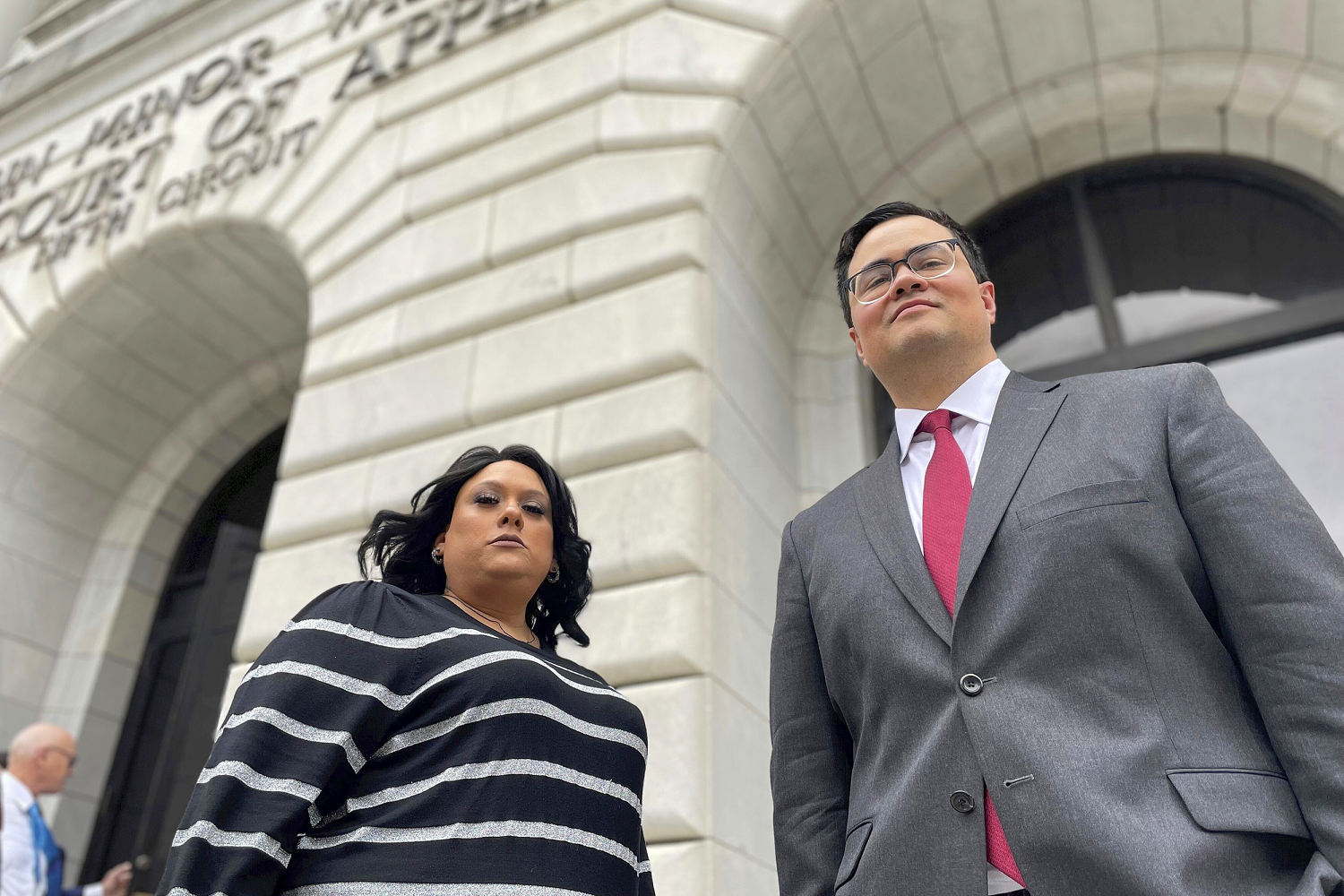
WASHINGTON — The Supreme Court on Monday rejected an attempt by a citizen journalist to revive her civil rights claim after she was arrested for soliciting information from a police officer.
At issue in the case brought by reporter Priscilla Villarreal was whether the officials in Laredo could claim the legal defense of “qualified immunity,” which would protect them from being sued. The court’s refusal to hear the case means her claim that the officials had violated the Constitution’s First Amendment, which protects freedom of speech, cannot go forward.
Liberal Justice Sonia Sotomayor dissented, saying the court made a “grave error” in declining to take the case up.
“It should be obvious that this arrest violated the First Amendment,” she wrote.
In 2017, Villarreal, who has a large local following via her Facebook page, had texted a police officer to confirm the identities of a suicide victim and a car accident victim, which were not yet public. She then reported what she had learned.
Officials had Villarreal arrested for allegedly violating an obscure state law that prohibits the solicitation of information from a public employee in order to obtain a benefit. The law, if enforced widely, could apply to journalists who routinely seek information from the government and then disseminate it to subscribers.
The charges were quickly dropped, but Villarreal then filed a civil rights lawsuit claiming her free speech rights were violated.
Her lawyers argue that qualified immunity does not apply in part because officials would have known that seeking to enforce the state law was an obvious free speech violation.
Defendants include Laredo’s now-former chief of police, Claudio Trevino, and District Attorney Isidro Alaniz.
After lengthy litigation, Villarreal lost in lower courts on the qualified immunity question, prompting her to ask the Supreme Court to intervene.
At an earlier stage of the case, the Supreme Court told the New Orleans-based 5th U.S. Circuit Court of Appeals to take a second look at its ruling in favor of defendants, but in an April 2025 decision, it again reached the same conclusion.
Qualified immunity, which protects police officers and other officials accused of violating the Constitution, has been the focus of considerable criticism from legal groups on the right and the left for putting the thumb on the scale in favor of defendants. The doctrine was adopted by the Supreme Court, not by Congress, but the current justices have largely refrained from revisiting it despite numerous requests from litigants.
The Supreme Court on Monday, in another qualified immunity case, handed a win to a police officer in Vermont who faced an excessive force claim for manhandling a protester in the state Capitol building.
In an unsigned opinion, the court said lower courts were wrong to say the officer was not protected by qualified immunity.
Sotomayor, along with fellow liberal Justices Elena Kagan and Ketanji Brown Jackson, dissented in that case. Sotomayor wrote that the decision revived her concerns that the court often favors police officers in such cases.
“The majority today gives officers license to inflict gratuitous pain on a nonviolent protestor even when there is no threat to officer safety or any other reason to do so,” she added.