








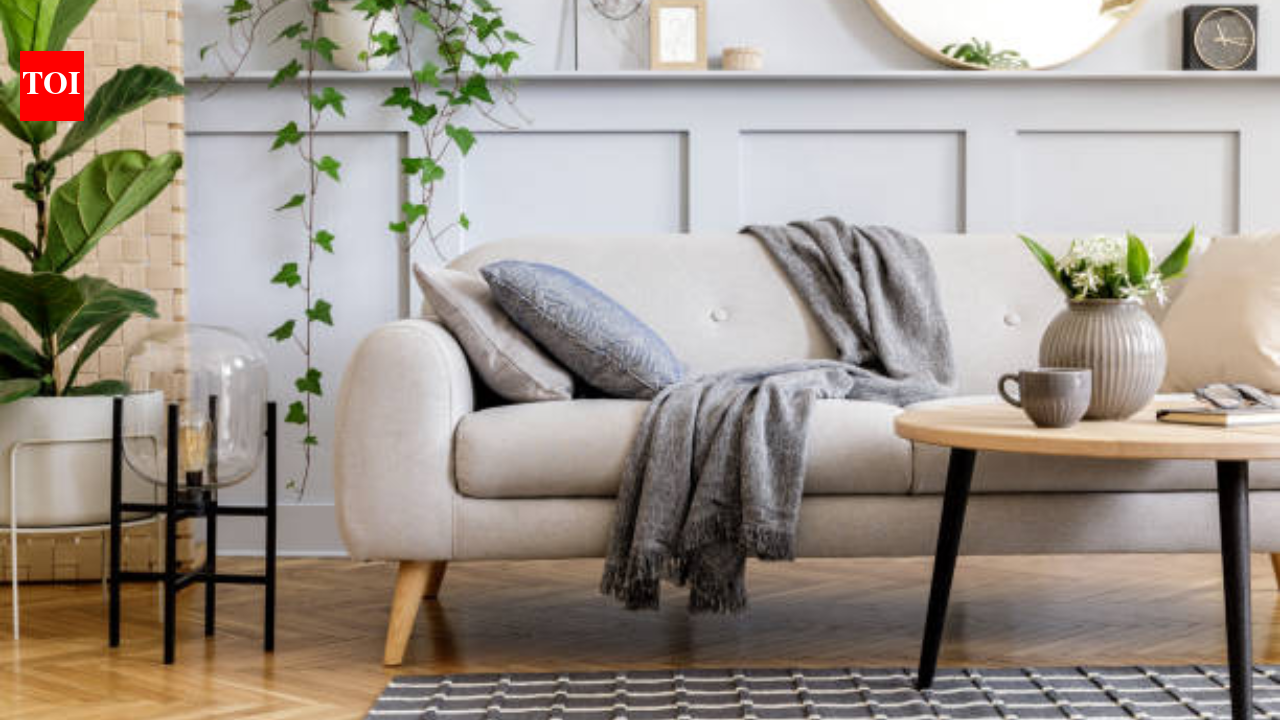
Homes are not appearing dated due to their oldness. They are outdated due to the change in design language.The future of interior design in 2026 is shifting the trend of monotony and visual perfection to material contrast, stratified light, and versatile spaces. What once looked modern now reads as flat or over-styled.
1. Flat neutrals are being replaced by “tonal layering”
The all-grey and beige color scheme is losing popularity due to the lack of depth. Designers are now calling this change tonal layering, in which many colours in one colour family are applied to give variation without creating visual noise. Space incorporates undertones, textures and finishes, rather than a single tone.Warmer color palettes and layered neutrals are replacing monochrome minimalism due to their ability to provide visual depth without being cluttered.
2. Single-source lighting is being replaced by “layered illumination”
Overhead lighting alone is now considered incomplete. The current approach uses layered illumination, combining ambient, task and accent lighting. It is not mere aesthetic but it alters the perception of space.Lighting designers point out that a variety of light sources can bring about contrast, shadow and focal point, which makes a room appear more dynamic rather than flat and evenly lit.
3. “Matchy interiors” are giving way to “curated contrast”
Perfectly coordinated rooms are now seen as predictable.The shift is towards curated contrast, where materials, finishes and styles are intentionally mixed. This could mean combining wood with metal, vintage with contemporary, or matte with gloss.Design publications and studios have pointed out that this approach makes spaces feel collected over time rather than staged, which is now preferred.
4. Mass-produced decor is being replaced by “authentic materiality”
Identical decor pieces are losing relevance because they lack individuality. The emerging concept here is authentic materiality, where natural textures, handcrafted elements and imperfect finishes are prioritised. This includes raw wood, stone, ceramics and handmade objects.The idea is not just aesthetic, it reflects a shift towards sustainability and individuality in design choices.
5. Static rooms are being replaced by “adaptive layouts”
Spaces designed for a single function no longer fit how people live. The shift is towards adaptive layouts, where rooms change function depending on time or need. This includes flexible furniture, movable partitions and multi-use zones.The trends in interior planning emphasize that the flexibility has become one of the fundamental requirements of hybrid living, and not an additional option, particularly after the pandemic.
What’s actually changed
The biggest shift in 2026 is not style, but expectation. Homes are no longer designed to look complete. They are designed to evolve. That’s why outdated spaces don’t just look old.They look static in a system that now values movement, contrast and adaptability.