









The Apple iPhone Air wasn’t the first super-slim phone, but it was the phone that started the craze, anyway – Apple has that effect on the market. Right now, the phone is up to €480 off.
That gets you a 6.5” LTPO display (120Hz) and the powerful Apple A19 Pro chipset. The 3,149mAh battery is oh-so-small, but it still achieved a decent 12:44h Active Use Score – and there’s a variety of MagSafe products out there that can help to extend the runtime. There’s no fixing the single 48MP (1/1.56”) camera situation, though.

The Apple iPhone 17 is a smaller phone with a 6.3” LTPO display (120Hz). It has the regular A19 chipset (which has a similar CPU/GPU configuration but less cache than the Pro) and adds a 48MP ultra-wide camera (120°) next to the 48MP main. Despite being “smaller” (it’s shorter and narrower but thicker and heavier than the Air), the 17 has a bigger 3,692mAh battery that lasts longer (14:59h Active Use Score).

Competing with the iPhone 17 are the likes of the Samsung Galaxy S26. This one also has a 6.3” LTPO display and (in Europe) it uses an Exynos 2600 chipset. The bigger 4,300mAh battery gives it only a minimal edge in endurance (15:20h). The S26 has a 50MP main camera (1/1.56” sensor), a dedicated 10MP 3x/67mm telephoto and a 12MP ultra-wide.

Also in the 6.3” class is the Google Pixel 10. This is the vanilla model, so it’s a lot cheaper – this means no LTPO panel for one. Also, Google’s Tensor G5 chip is no match for Apple silicon. Like the Galaxy, the Pixel has a dedicated telephoto camera – a 10.8MP sensor paired with a longer 5x/112mm lens – to go with the 48MP main (with a small 1/2.0” sensor) and the 13MP ultra-wide. The 4,970mAh battery is the biggest of the three so far, but you won’t be able to tell with the disappointing 12:08h Active Use Score.
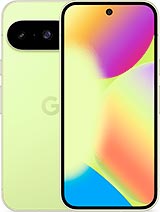
The Pixel 10 is the budget option, but then so is the iPhone 17 – it’s just that Google and Apple have different ideas about what “budget” means. The Pixel 10 Pro is closer to the iPhone in terms of current pricing. It offers key upgrades like an LTPO panel for the 6.3” display and a larger 1/1.31” 50MP sensor for the main camera. The telephoto module is even more capable with a 48MP sensor behind a 5x/113mm periscope. The ultra-wide and selfie cameras got upgraded sensors too, 48MP and 42MP, respectively. However, the slow chipset and middling battery life remain issues even with the Pro model.

Samsung gave up on the super-slim race after only one try, so there’s no Edge this year – but there is the Galaxy S26+. With a 4,900mAh battery and improved efficiency, this phone got a really good score of 16:25h. The screen is a larger 6.7” LTPO panel, but the Exynos 2600 and 50+10+12MP camera setup are the same as on the vanilla S26.
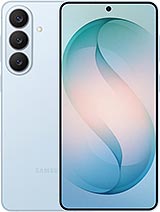
With €100 separating the 256GB models and less than €200 between the 512GB models, you should consider the Samsung Galaxy S26 Ultra over the S26+ – in our head-to-head comparison, we noted a few reasons to go for the S26+, but the list of pros for the S26 Ultra was a lot longer.

Unlike Samsung, Google puts its small and large flagships on equal footing. This means that the Pixel 10 Pro XL is just a larger Pro with a 6.8” display and a 5,200mAh battery (12:29h Active Use Score). Here are our thoughts on how the Pixel 10 Pro XL compares against the S26 Ultra.

Motorola launched the Razr 70 series earlier this week, but the new phones aren’t available on Amazon yet. And even if they were, the new Ultra costs a cool €1,400. Meanwhile, its predecessor, the Motorola Razr 60 Ultra, is down to just €650 for a base 12/256GB model.
The 70 Ultra uses an overclocked version of the same Snapdragon 8 Elite chipset. The new model brings minor improvements to the screen (5,000 nits vs. 4,500 nits) and battery (5,000mAh vs. 4,700mAh), but still lacks a telephoto lens and a USB 3 port, which makes the price difference hard to justify.

We may get a commission from qualifying sales.