
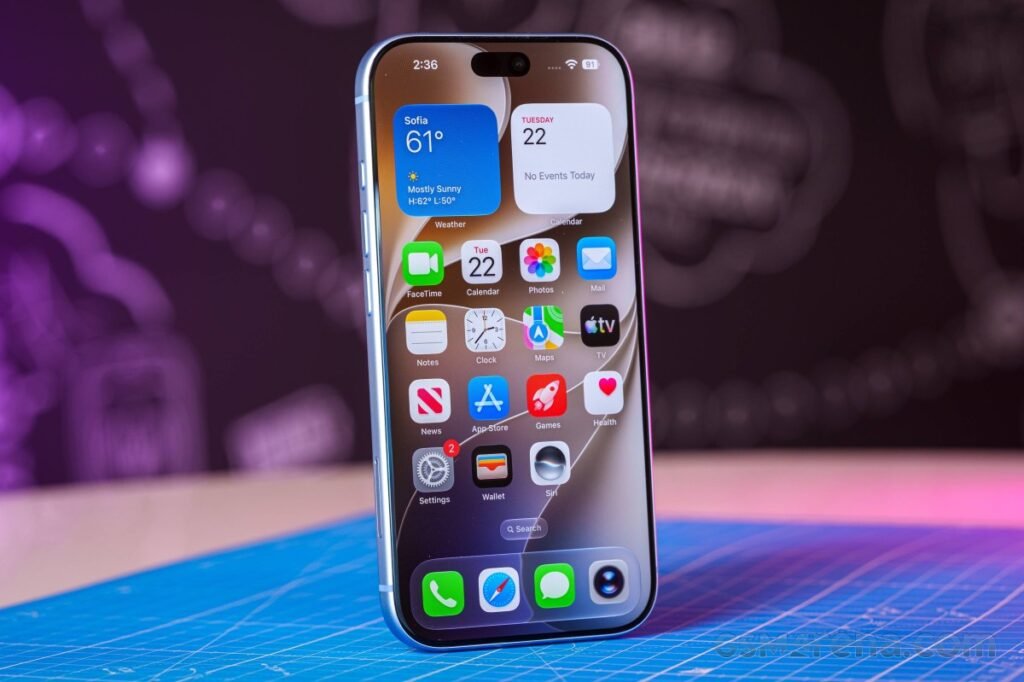
Introduction and specs
The iPhone 18 family is here, but not all of them at the same time. Under its new CEO, Apple is shaking things up a bit, and we are getting the new series on a staggered release schedule. The two 18 Pros lead the way.
We will be exploring the regular 18 Pro in this review to see how it stacks up against the competition and its own iOS peers.
Amid rising RAM prices, the iPhone 18 generation has become a bit more expensive, but Apple has introduced a few upgrades as well, so we will try to see if it’s worth the price premium.
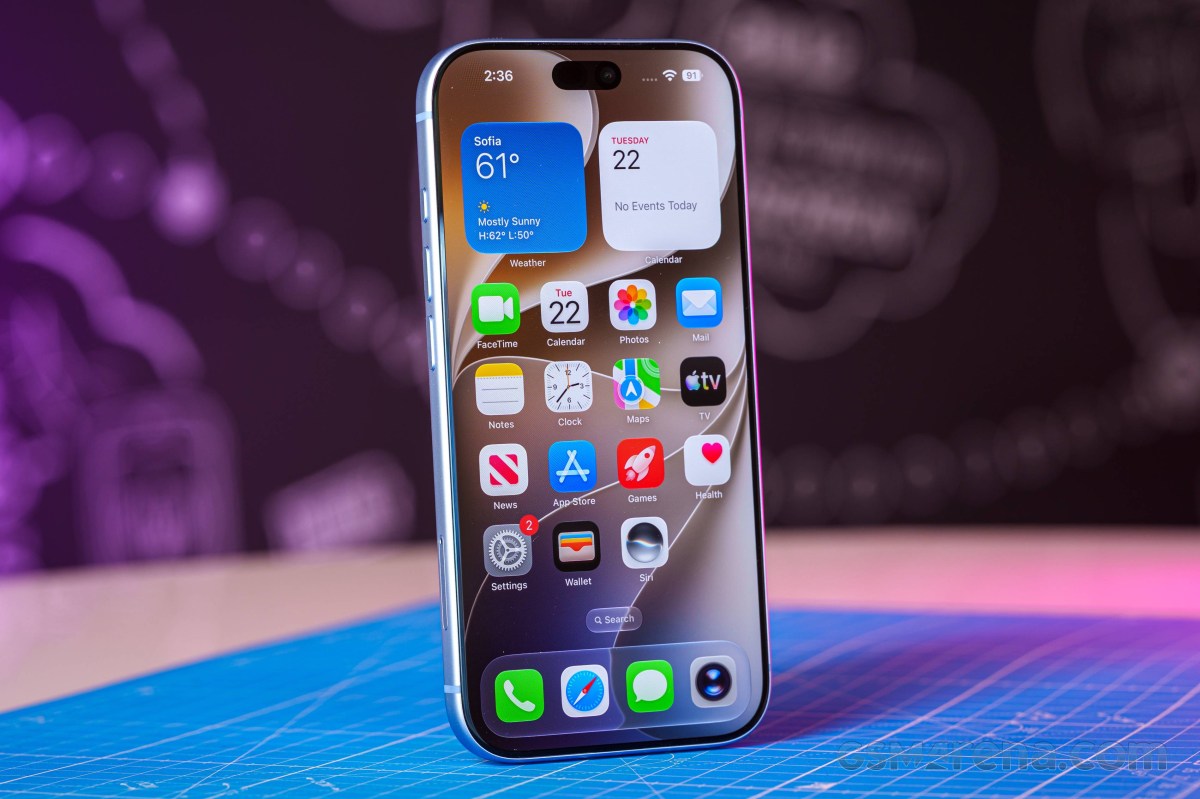

Of course, none of the upgrades seem groundbreaking, and last year’s design has been reused here, but we didn’t expect otherwise.
What’s more interesting is whether the promising new Apple A20 Pro silicon will be able to deliver not only better performance but also better battery life with pretty much the same display and battery capacity as last year.
The promise of iOS’s brand-new AI capabilities also leaves us curious to learn more, though at first glance, we are still far from the time when we’ll simply talk to our phones, tell them what we need done, and let them take care of it across apps and services.
Apple iPhone 18 Pro specs at a glance:
- Body: 150.0×71.9×8.8mm, 211g; Glass front (Ceramic Shield 2), aluminum frame, aluminum back/ glass back (Ceramic Shield); IP68 dust tight and water resistant (immersible up to 6m for 30 min).
- Display: 6.30″ LTPO Super Retina XDR OLED, 120Hz, HDR10, Dolby Vision, 1000 nits (typ), 1600 nits (HBM), 3000 nits (peak), 1206x2622px resolution, 19.57:9 aspect ratio, 460ppi; Anti-reflective coating.
- Chipset: Apple A20 Pro (2 nm).
- Memory: 256GB 12GB RAM, 512GB 12GB RAM, 1TB 12GB RAM, 2TB 12GB RAM; NVMe.
- OS/Software: iOS 27.
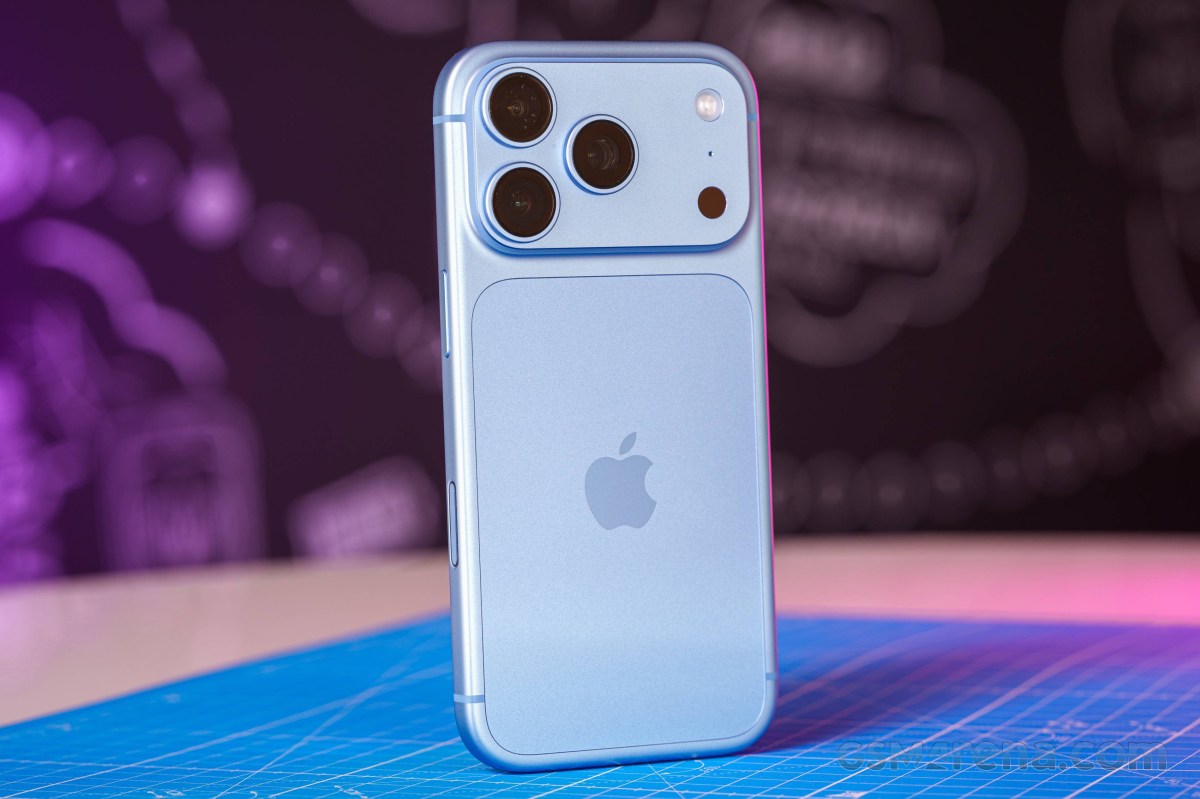
- Rear camera: Wide (main): 48 MP, f/1.5-4.0, 24mm, 1/1.28″, 1.22µm, dual pixel PDAF, sensor-shift OIS (gen2); Telephoto: 48 MP, f/2.8, 100mm, 1/2.55″, 0.7µm, PDAF, 3D sensor‑shift OIS, 4x optical zoom; Ultra wide angle: 48 MP, f/2.2, 13mm, 120˚, 1/2.55″, 0.7µm, PDAF; Depth: TOF 3D LiDAR scanner.
- Front camera: Wide (main): 18 MP multi-aspect, f/1.9, 20mm, PDAF; Depth: SL 3D.
- Video capture: Rear camera: 4K@24/25/30/60/100/120fps, 1080p@25/30/60/120/240fps, 10-bit HDR, Dolby Vision HDR (up to 120fps), ProRes, ProRes RAW (up to 120fps), Apple Log 2, 3D (spatial) video/audio, stereo sound rec; Front camera: 4K@24/25/30/60fps, 1080p@25/30/60/120fps, gyro-EIS.
- Battery: 4056mAh; Wired, PD3.2, AVS, 50% in 15 min, 25W wireless MagSafe/Qi2, 50% in 30 min (15W – China), 4.5W reverse wired, , * eSIM only model battery capacity is officially unconfirmed.
- Connectivity: 5G; eSIM; Wi-Fi 7; BT 6.0; NFC.
- Misc: Face ID, accelerometer, gyro, proximity, compass, barometer; stereo speakers; Ultra Wideband (UWB) support (gen2 chip), Emergency SOS, Messages and Find My via satellite.
The trio of 48MP cameras on the back makes a comeback, but with a twist – the main shooter gets a variable aperture ranging from f/1.5 to f/4.0. This will likely be appreciated by photography enthusiasts, as it gives them more control over depth of field and added flexibility in different shooting scenarios.
The new iPhones also get a slight battery bump for both the eSIM-only and regular variants. The eSIM-only version is now equipped with a 4,288 mAh battery, while the standard model with a physical SIM card slot also breaks the 4,000 mAh barrier with a 4,056 mAh cell. And although we don’t expect any major battery life gains from this fairly negligible bump in capacity, the new SoC and software might help with that.
Perhaps one of the biggest and most long-standing iPhone drawbacks is slow charging, but this year, Apple promises an upgrade in this department as well.
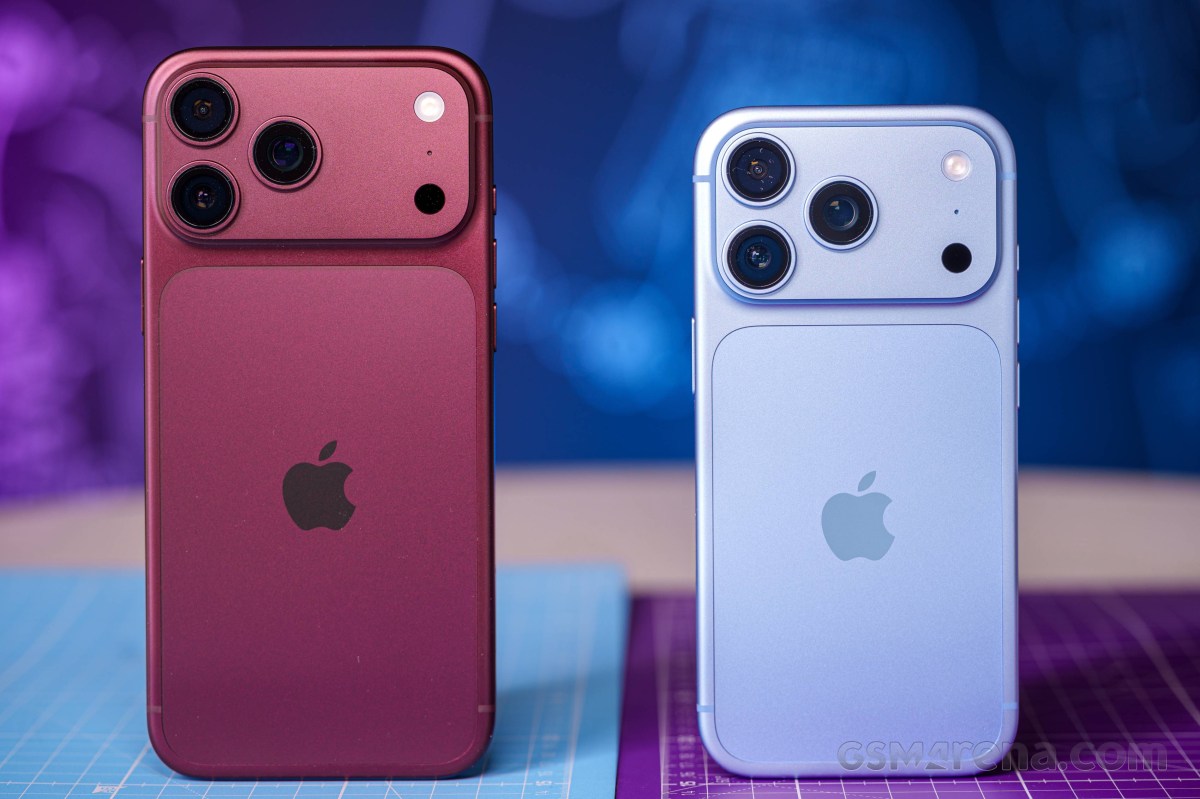
The display remains untouched, but that shouldn’t be a concern, because the 6.3-inch OLED from last year was already a great piece of hardware.
Now, let’s take a deeper dive and put the new hardware to the test.
Unboxing the iPhone 18 Pro
The retail box is pretty much the same as the last few generations, and it’s also the same across the globe. You get a braided USB-C to USB-C cable used for data transfer and charging, and in case you are getting an iPhone with a physical SIM slot, it comes with a SIM card ejection tool as well.
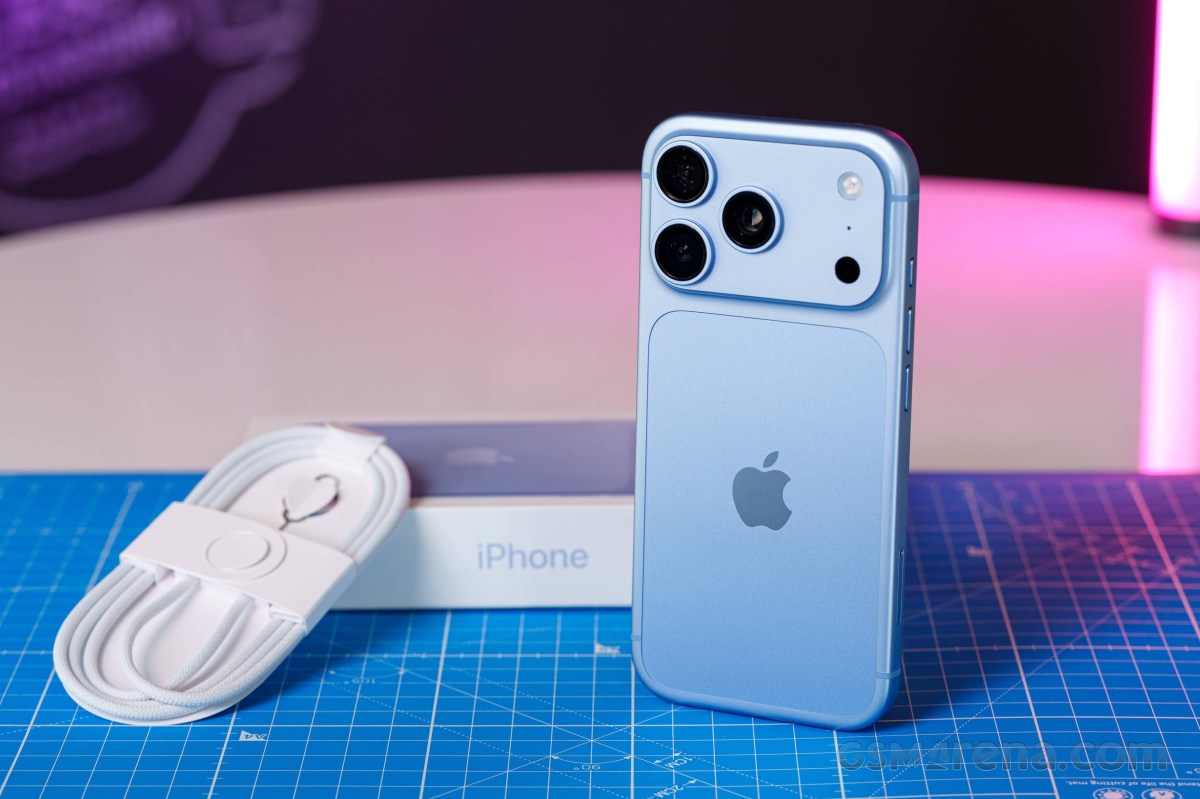
Of course, the charger isn’t included, so you will have to buy one separately. The 40W Dynamic Power Adapter with 60W Max is Apple’s official charger that supports the AVS charging protocol introduced last year, but with some digging, you can find third-party chargers that will also work.