
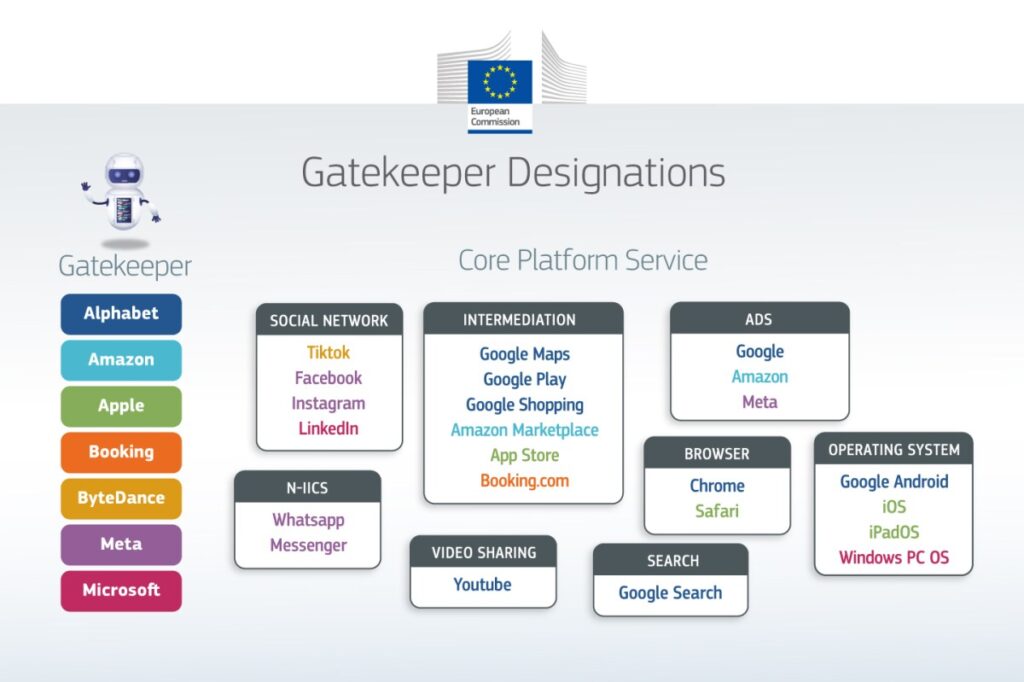
In 2023, the European Union designated iOS, the App Store and Safari as “gatekeepers”. Apple has been unhappy with the rules this designation entails and has been fighting a lengthy legal battle.
Apple tried to argue that it in fact has five app stores – one each for iPhones, iPads, Apple Watches, Apple TVs and Macs – and that they should not be treated as a single Core Platform Service (CPS). These are services which “play an indispensable role as an intermediary between businesses wishing to offer their services online and end users.” And in Apple’s view, only the iOS App Store cleared that threshold, while the other App Stores did not and should not fall under the DMA rules.
Judges from the EU General Court disagreed, saying: “Irrespective of the devices in question, those stores have the same purpose, namely to connect app developers with end users in order to facilitate the distribution of software applications.”
This is the EU’s second highest court and Apple can still appeal to the EU Court of Justice. Apple is currently appealing a decision that would force it to open technical documentation and iOS features to third-party services.
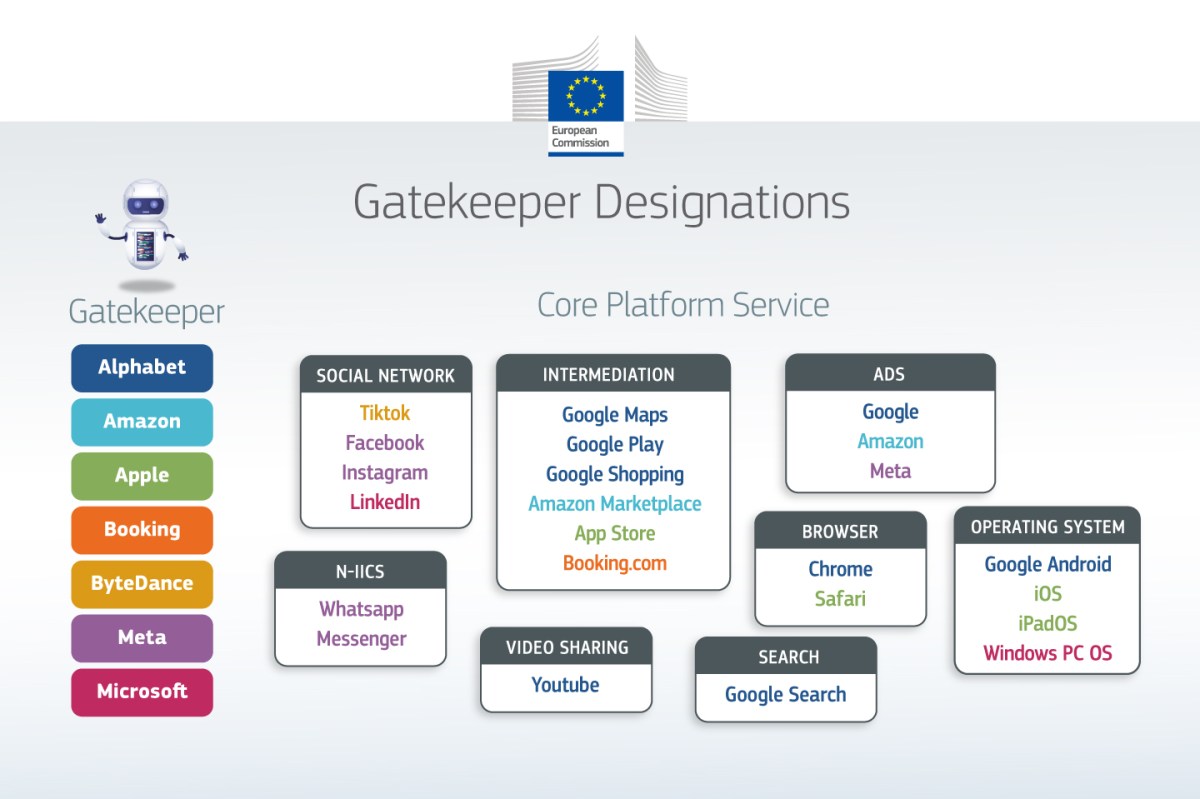

As you can see here, iMessage is not designated as a gatekeeper. However, the European Commission has now argued that iMessage is a “number-independent interpersonal communications service” (NIICS). Apple tried to appeal this decision, but the court ruled that the classification of iMessage as a NIICS “does not, by itself, produce binding legal effects that bring about a change in Apple’s legal position.”
In summary, Apple is a gatekeeper under the terms of the Digital Markets Act (DMA) and the App Stores (regardless of which Apple devices they target) should be treated as a single Core Platform Service. As such, the App Store is required to follow the interoperability obligations detailed in the DMA.
As for iMessage, it has not fallen under DMA regulations yet. However, Apple’s preemptive attempt to avoid the NIICS label has failed – and this opens iMessage to future investigations.
An appeal against the €500 million fine for anti-competitive steering policies is still pending.