


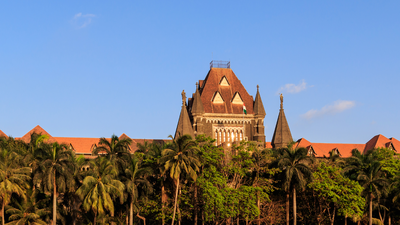
MUMBAI: In a significant development that could decide the future of redevelopment across the city, a committee appointed by the Bombay high court has submitted its report on March 5, 2026, reviewing controversial notices issued under Section 79A of the MHADA Act. The court is now expected to hear the matter and determine whether the stalled redevelopment process of hundreds of unsafe buildings can resume—impacting over 13,000 ageing structures and lakhs of residents living in precarious conditions. And this all ahead of an impending monsoon season. The dispute centres around Section 79A, a legal provision introduced in 2020 to fast-track redevelopment of “cessed buildings”—old structures, mostly built before 1940, that fall under the repair and redevelopment jurisdiction of Maharashtra Housing and Area Development Authority. In simple terms, this section allows authorities to step in if landlords fail to redevelop dangerous buildings within six months. It also empowers tenants—if at least 51% agree—to take charge of redevelopment, ensuring that projects don’t remain stuck for years due to disputes or inaction. However, the implementation of this provision hit a roadblock when the High Court stayed 935 notices issued by MHADA, citing concerns of possible misuse of power and procedural lapses. A “stay” means a temporary halt ordered by the court, effectively pausing all redevelopment actions under these notices until the issue is legally resolved. This has left thousands of residents in uncertainty, continuing to live in buildings that may be structurally unsafe. The court-appointed panel conducted months of hearings, giving both tenants and landlords from affected buildings an opportunity to present their cases. The findings reportedly highlight a sharp divide. A majority of tenants backed the 79A mechanism, arguing that it helps break decades-long delays in redevelopment—often caused by absentee landlords or legal disputes. For them, the provision offers a practical route to safer housing and improved living conditions. Landlords, on the other hand, have opposed the notices, claiming violations of their property rights—a constitutional safeguard that protects ownership and control over property. They allege that due process was not followed and that the law unfairly shifts control to tenants and authorities. In simple terms, landlords fear losing decision-making power over redevelopment of their own buildings. The urgency behind the law stems from a history of fatal building collapses in Mumbai, including the 2017 Husaini Building tragedy (33 deaths), the 2019 Dongri collapse (14 deaths), and a 2020 Fort building crash (10 deaths). These incidents prompted the government to introduce stricter intervention powers to prevent loss of life due to delayed redevelopment. Data underscores the scale of the problem. Mumbai has over 13,000 cessed buildings, many in dilapidated condition. RTI figures show that between 2021 and August 2025, the city recorded 345 building collapse or partial collapse incidents, leading to 8 deaths and 28 injuries. Over a longer period from 1970 to 2018, as many as 815 lives were lost in such incidents. Experts warn that the risk spikes during the monsoon, when weakened structures are more likely to give way. Activists say the outcome of the case could strike a balance between safety and legal rights. Jeetendra Ghadge of The Young Whistleblowers Foundation said the panel process was comprehensive and expressed hope that redevelopment of dangerous buildings will not face further delays, while also calling for strict action if any irregularities in issuing notices are proven. The High Court’s upcoming decision is expected to have far-reaching implications—not just for Mumbai’s redevelopment pipeline but also as a potential model for other cities grappling with ageing urban infrastructure. For residents, the verdict could mean the difference between continued risk and a long-awaited chance at safer homes.