








The oldest brother of an 11-year-old U.S. citizen girl whose treatment for a rare brain tumor was interrupted when her parents were deported to Mexico is attending the State of the Union address Tuesday.
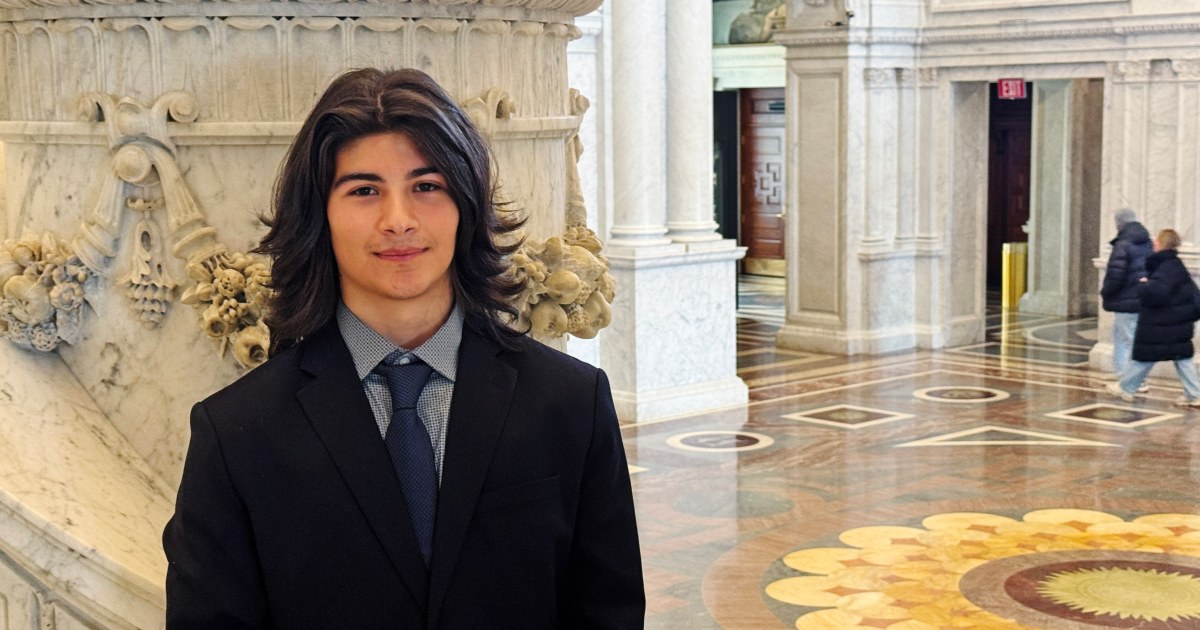
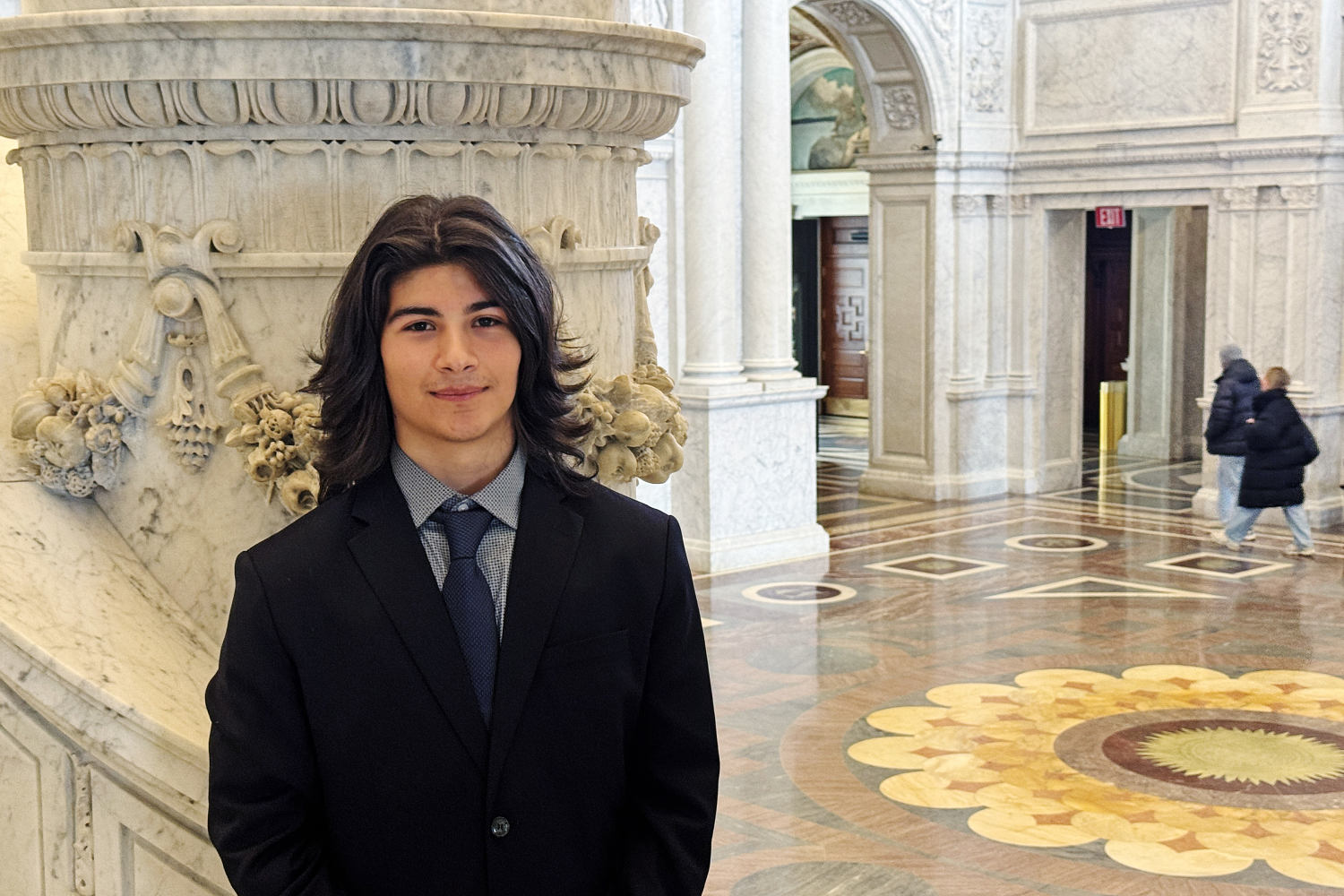
The 18-year-old, who traveled from Texas to Washington, D.C., is the guest of Rep. Adriano Espaillat, D-NY.
The young man will be joining other guests from members of the Congressional Hispanic Caucus, who are seeking to spotlight how President Donald Trump’s immigration policies have been affecting American families.
“This is not just about the undocumented,” said Espaillat, who’s also the chairman of the Hispanic Caucus, “this is also about U.S. citizens.”
“They are also the ones that are getting hurt,” Espaillat told NBC News.
The 18-year-old, who’s a U.S. citizen, has been living alone in his family home since Feb. 4, 2025. That’s when immigration authorities removed his five siblings from the United States — four of whom are U.S. citizens, including his 11-year-old sister — and sent them to Mexico alongside their parents, who lacked legal status.
His family’s quest to return to the U.S. has reached a critical point because the girl’s recovery has stalled since she can’t access the medical care she needs in Mexico. Ahead of the State of the Union address, the 18-year-old is in Congress advocating for his family’s return.
“I hope that after all this, after a long day of just talking to people, explaining my situation, hopefully they say, ‘Yeah, let’s bring them back. Let them come back,” he said in an interview with NBC News on Tuesday.
The teen described the deep sense of loneliness he’s been feeling for the past year as being trapped in a coffin because “there are no living signs there.”
“I cry when I think about it,” he said, remembering the last time he was with his siblings and parents.
NBC News is not naming the teen out of concern for his family members’ safety in Mexico since they are in an area that is known for kidnappings of U.S. citizens.
For months, the family has been anxiously waiting to hear back from immigration authorities about the humanitarian parole request they filed back in June, to allow the undocumented parents and one noncitizen sibling to come back with the girl and live in the U.S. temporarily to assist her as she receives medical treatment.
Espaillat said it’s been difficult trying to get the family back into the U.S. He was among the CHC members who wrote letters of support accompanying the family’s parole applications.
The 11-year-old girl remains “at the center of the story, whatever happens to her,” Espaillat said.
The family’s immigration plight began on Feb. 3, 2025, when Border Patrol officers detained them at a mandatory immigration checkpoint in Texas on their way to the hospital.
Before President Donald Trump took office in January 2025, the family had successfully passed through that checkpoint without a problem, according to Danny Woodward, the family’s attorney. They would present letters from the Houston hospital and from an immigration attorney, as well as the children’s birth certificates.
But the letters weren’t enough this time, and the family was deported the next day.
Woodward said this is a family with no criminal record.
The Department of Homeland Security did not respond to a request for comment Monday, but the agency has said the parents had previously been “given expedited removal orders,” adding that when someone “chooses to disregard them, they will face the consequences.”
Since the family was sent to Mexico, the 18-year-old set aside his aspirations to go to college and began working two jobs to pay his bills and afford the lifesaving medication he sends to his sister in Mexico every two weeks. He described working so many hours a week that at times he barely gets to eat. Struggling to keep up with the hectic schedule, he’s down to one full-time job.
The 18-year-old said his little sister needs “to be taken care of 24/7” and the only people equipped to do that are his parents. For him, having his family reunited in their Texas home also means he gets to pursue his dream of going to college and becoming a neurosurgeon, the same type of doctor who saved his sister’s life when she had her first brain surgery in 2024.
Espaillat first met the family in May, when he traveled to Monterrey in Mexico with Democratic Reps. Sylvia Garcia and Joaquin Castro of Texas.
The family’s case was among the first involving the detentions and removals of U.S. citizen children, including minors with serious medical conditions, as part of their parents’ deportations during the early days of Trump’s second term.
There’s no official data quantifying how many U.S. citizen children have been sent away alongside their deported parents over the past year. But during Trump’s first four months in office, at least nine U.S. citizen children were removed from their country under these circumstances.
In one case, three U.S. citizen children ages 7, 4 and 2 were sent to Honduras with their undocumented mothers in April 2025. The 4-year-old had Stage 4 cancer.
“They are U.S. citizen children directly impacted and the little girl, her treatment has been interrupted. That’s dramatic,” Espaillat said. “That’s something that could have deadly consequences.”
DHS has said it doesn’t deport American children, but asks deported parents if they prefer to be removed with their U.S. citizen children rather than be separated.
But immigrant advocates say parents on the verge of deportation risk losing custody of their U.S.-born children if there isn’t a clear power-of-attorney document or a guardianship outlining who will take care of the children left behind. Otherwise the children go into the U.S. foster care system, making it harder for the parents to regain custody of their children in the future.
“It just isn’t a choice,” said Rochelle Garza, president of the Texas Civil Rights Project.
White House press secretary Karoline Leavitt anticipated that much of Trump’s State of the Union address will focus on the economy as well as the strength of the U.S. military and what it is doing to respond to “the threats that remain abroad.”
Trump plans to call on Democrats to move to reopen the Department of Homeland Security, which entered a shutdown earlier this month, Leavitt said. Democrats have been pushing for immigration enforcement reforms before they support a funding bill for the department.
In a press conference Tuesday afternoon, the Congressional Hispanic Caucus and their guests spoke about their experiences involving immigration enforcement.