

Buying a car for daily commuting might appear easy at first. However, the real ownership begins when you bring it home and receive the first service bill, the insurance renewal or drive though rough, waterlogged roads during the monsoon. This overall experience reveals things that are never mentioned in the brochures. While car manufacturers often highlight engine performance figures, fancy features and advanced technology, what really matters to buyers in everyday life is low running costs, good fuel efficiency, hassle-free servicing and easy manoeuvrability and parking in tight spaces.
What running costs actually look like after year one
The price you pay at the showroom is just the beginning. You get to know the real cost of owning a car after a year or two, especially when free service packages end and components need to be replaced.
Fuel efficiency is one of the significant parameters for measuring the running cost of a vehicle. Usually, the official mileage figures claimed by carmakers are based on controlled test conditions. While these figures give an idea of the car’s performance, the actual fuel economy is generally lower in city traffic. Factors such as heavy traffic, running the AC in summer, frequent braking and short trips affect the vehicle’s overall fuel efficiency.
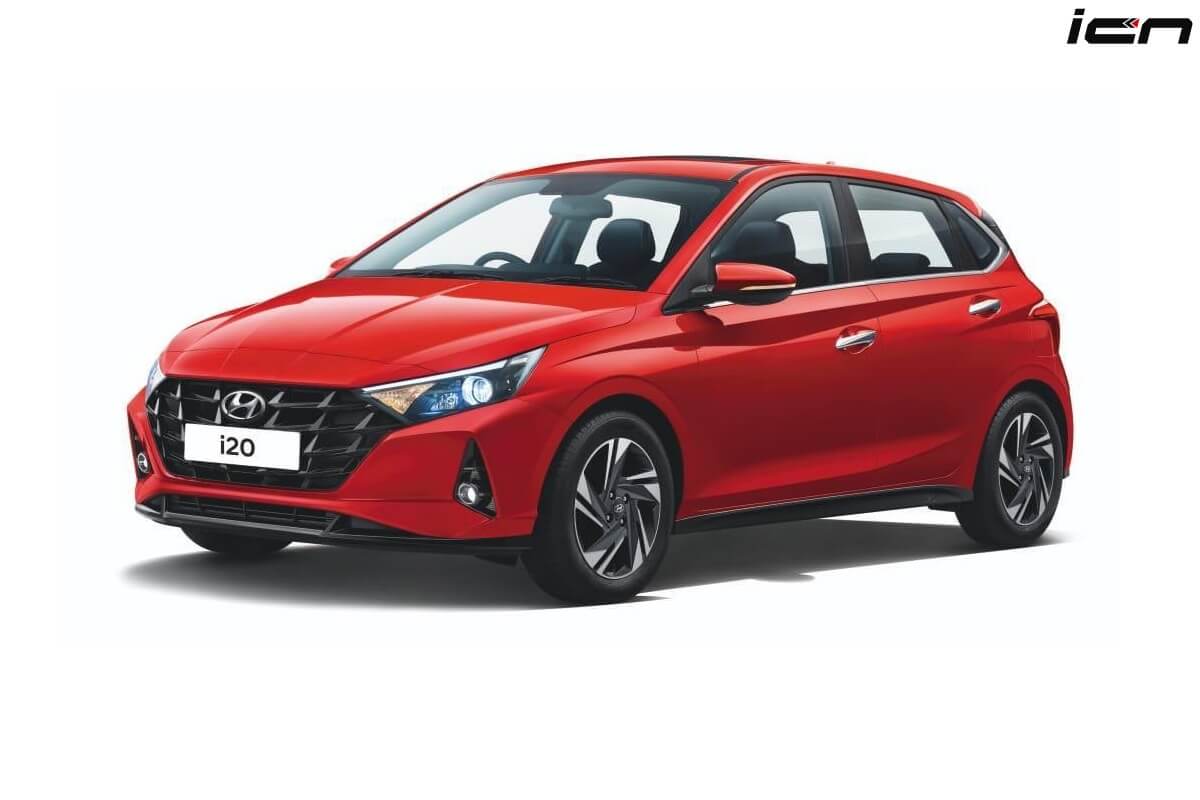
If you’re planning to buy a used Hyundai i20 or compare it with other premium hatchbacks, it’s important to look beyond the brochure and specification sheet.
Diesel variants usually offer better fuel efficiency than petrol models. However, the higher purchase price only makes sense if you cover long distances regularly.
Another expense that is often overlooked by many buyers is Insurance. Before purchasing an insurance policy, check whether your preferred insurer has a good network of cashless garages in your city. This will make you’re the claim process much less troublesome if you ever require it.
Tyres are also important components that require replacement over time. How long they last largely depends on the roads you drive on. If the roads are rough and full of potholes, the front tyres of front-wheel drive hatchbacks tend to wear out faster. Therefore, regular tyre inspections are recommended to identify wear and tear and avoid safety issues.

Service network density changes the ownership equation
A car brand with fewer authorized service centres in your city can ruin your ownership experience. You may have to wait for weeks or even longer for a service appointment, and even small and simple repairs such as changing brake pads can take longer than expected. This will not only affect your daily routine, but also diminishes your ownership experience.
Therefore, you should give more importance to a brand’s extensive service network than to small differences in features or performance. If you drive your car regularly, an easy and quick access to service can save you both time and hassle.
Maruti Suzuki currently has the largest service network in India, making it one of the most preferred choice among used car buyers. Hyundai Motor India also has a strong presence in most major cities; however, its network is relatively smaller in tier-three towns.
Tata Motors and Kia India have expanded their service network significantly in recent years. However, during busy periods, getting an appointment might still take longer than expected.
Before purchasing a car, it’s important to always check whether the nearest authorised service centre has its own body shop or sends accident repair work to another workshop. Service centres with in-house body shops usually complete repairs faster, while outsourced the same jobs can take much longer. Similarly, the quality of paint matching may vary, which becomes important if your car ever require bodywork after a minor accident or dents.
Cabin comfort differences that only surface over months
Many car owners prioritize comfort and convenience over outright performance. For them, seat comfort, air conditioning performance and cabin noise become much more important after a few months of ownership. These aspects are often noticed during long drives.
For reference, the Hyundai i20 offers well-cushioned seats, which feel comfortable at first. However, some owners could find them less supportive on long journeys, especially if they have existing back issues. The Maruti Swift hatchback, on the other hand, comes with firmer seats which may not feel as premium initially but are often more comfortable during longer journeys.
Indian summers are known for their harsh conditions; therefore, a good air conditioning unit becomes an essential requirement. Cars with rear AC vents and heat reducing glass (solar-control) usually cool down faster, making them comfortable in hot weather.
Cabin noise is another feature that deserve attention, especially if you frequently drive on highways. Premium hatchbacks generally provide better noise insulation, resulting a quieter and more relaxing experience at higher speeds. These vehicles typically feature better door sealing and thicker glass. Aftermarket soundproofing can also reduce noise to some extent.
Resale timing and what holds value
Depreciation is one factor that every car owner should consider. Most hatchbacks lose a significant part of their value during the first year of ownership. After that, prices usually remain stable for the next few years before decline again once the car is more than five years old.
Furthermore, the colour of your car can also affect its resale value. In the Indian market, White and Silver cars get better resale prices than darker shades because these colours are more popular among buyers and are better at hiding dust and minor scratches.
How long you own the car and how much kilometres you drive also matter. Cars with decent mileage are usually easier to sell because they show less wear and tear, and may still be covered under the brand’s transferable warranty. On the other hand, buyers are often more cautious about high-mileage cars, as they may soon require repairs such as timing belt service or a clutch replacement.
One of the best ways to maintain resale value of your car is to keep a detailed service history. Proper service records reassure buyers that the car has been well maintained and can help you get the better price when it’s time to sell.