


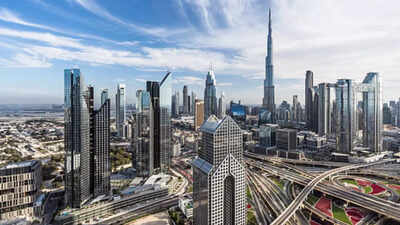
Sheikh Mohammed bin Rashid Al Maktoum, Vice President and Prime Minister of the UAE recently issued a new law on the quality and safety of buildings in the emirate, in his capacity as the Ruler of Dubai. By maintaining structural integrity, ensuring regular maintenance and supporting safe operation of all systems, the law aims to ensure safety, quality and sustainability of buildings in the emirate. Moreover, it moves to enhance occupant comfort, reduce accidents, protect lives and property and preserve Dubai’s urban identity.
The new building law

On Tuesday morning, the Dubai Media Office, made an announcement, enlisting the objectives of the law:
- Ensure high-quality, safe, and sustainable buildings by protecting structural integrity
- Mandate regular maintenance to support the safe operation of all building systems
- Enhance occupant comfort while reducing accidents and safeguarding lives and property
- Preserve Dubai’s urban identity and architectural character
What the law entails
Provisions of the law apply to all buildings across Dubai, including those in private development zones and free zones, whether built before or after its enactment. Dubai Municipality is to develop a digital management system, maintain a unified database and conduct periodic assessments as it is responsible for ensuring building safety and quality. The institution is also tasked with setting standards for sustainability, implementing measures and procedures to safeguard buildings, lives, and property. It will oversee maintenance, investigate incidents, apply corrective actions, promote modern technologies, regulate materials and manage the digital building portal. Finally, a Quality and Safety Certificate will only be issued after a licensed engineering office or firm conducts a comprehensive inspection and assessment of the building’s structural and technical condition.
What should owners keep in mind?
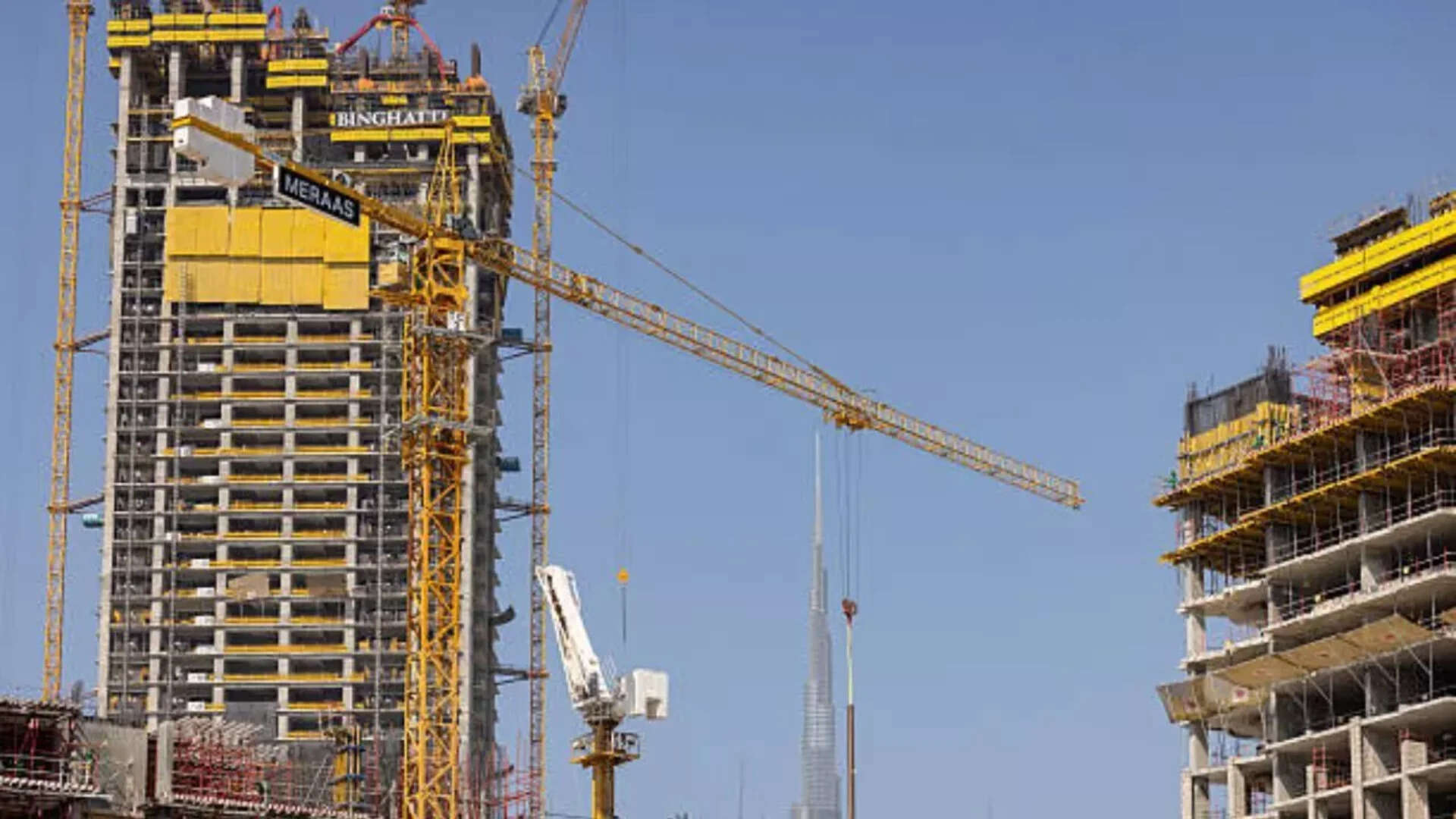
As per the law, the owner of the building, including unit owners under Law No. (6) of 2019 on Joint Property Ownership in Dubai, must obtain a Quality and Safety Certificate after the building’s completion, ensure any defects identified in inspection are corrected and follow the procedure set by the relevant authority. For buildings less than 40 years old, the validity of the certificate is 10 years, whereas for those 40 years or older, it is 5 years. The certificate can be renewed for similar periods, with the conditions and procedures for renewal determined by a decision issued by the Chairman of the Executive Council of Dubai (TEC). In cases where a building is approved for demolition, the rules for vacating tenants set out in Law No. (26) of 2007 on Regulating the Relationship between Landlords and Tenants in Dubai and its amendments apply. Tenants who vacate under this law have the priority to return to the building after reconstruction or completion of maintenance and repairs, at the same rental value agreed in their original lease, unless agreed otherwise by both parties. Violators of the law or its decision can face fines from Dh100 to Dh1,000,000. Repeat offences within two years are subject to doubled fines up to Dh2,000,000.
On the road to the ‘safest city in the world’
By influencers who move to the city from across the world, Dubai is the ‘safest city in the world’ a title that has gone viral. In order to improve the safety and protection of its residents, Dubai ruler Sheikh Mohammed had recently launched another law. The legislation, known as, Law No. (2) of 2026 created a framework protecting residents, visitors and property, while supporting the city’s urban growth and identity. It detailed a set of rules aimed at reducing accidents, preventing injuries and ensuring high safety standards in public spaces and commercial activities.
Regional tensions in the Middle East
These measures aimed at enhancing the safety of the residents arrive at a time when the UAE is battling Iranian aggression. This has led to the shutdown of the country’s airspace which serves as one of the most vital air travel corridors. Additionally, Dubai in particular is also facing the issue of rising abandonment of pets by their owners who are expats fleeing the country over the risks to their safety. While veterinarians have been receiving rising inquiries about euthanising pets, volunteers have been finding dogs tied to ropes on the streets and kittens delivered to doorsteps. Through it all, the UAE authorities have been praised for their consistent support to travellers in terms of free hotel and food vouchers and pets with Dubai’s new project of AI feeding stations called ‘Ehsan Stations’.