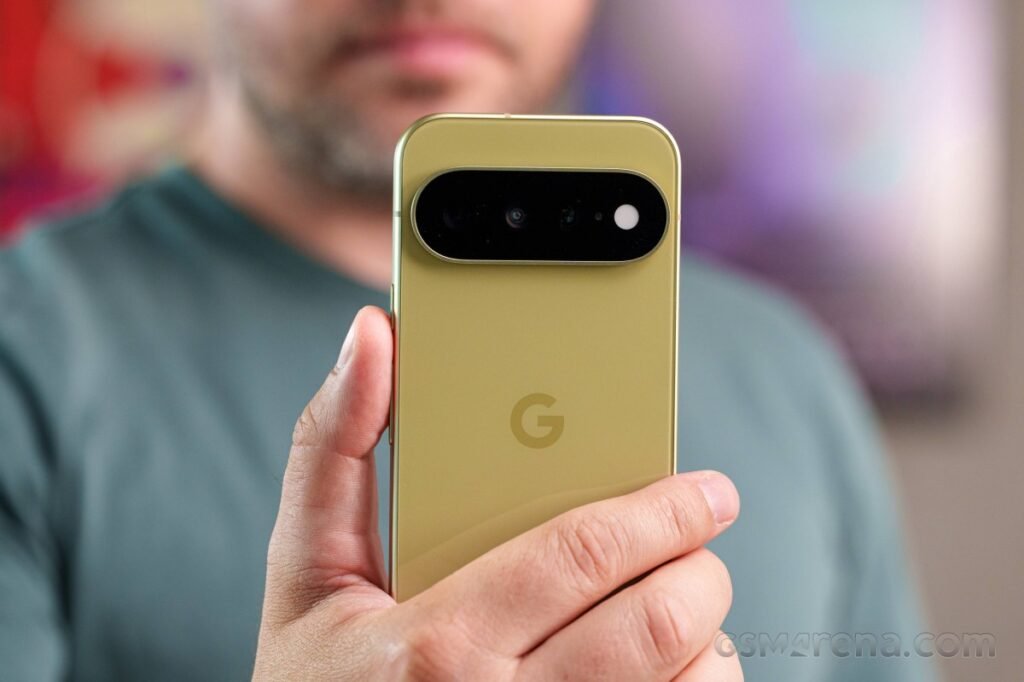
Last year was a big step for the Pixel 10, which gained a zoom camera (but downgraded the main camera), but this year, Google is keeping things simpler (and less innovative). The Google Pixel 11 is a straightforward yearly specs update.
It keeps the body mostly unchanged; the screen is the same 6.3-incher, the battery is more or less the same, and so is the charging. What is new is the chipset – the 3nm Tensor G6, and the main camera, which packs a larger 1/1.56-inch main sensor (vs 1/2.0-inch on the Pixel 10), bringing it closer to the Pixel 9’s 1/1.31-inch main unit. Not confusing at all.
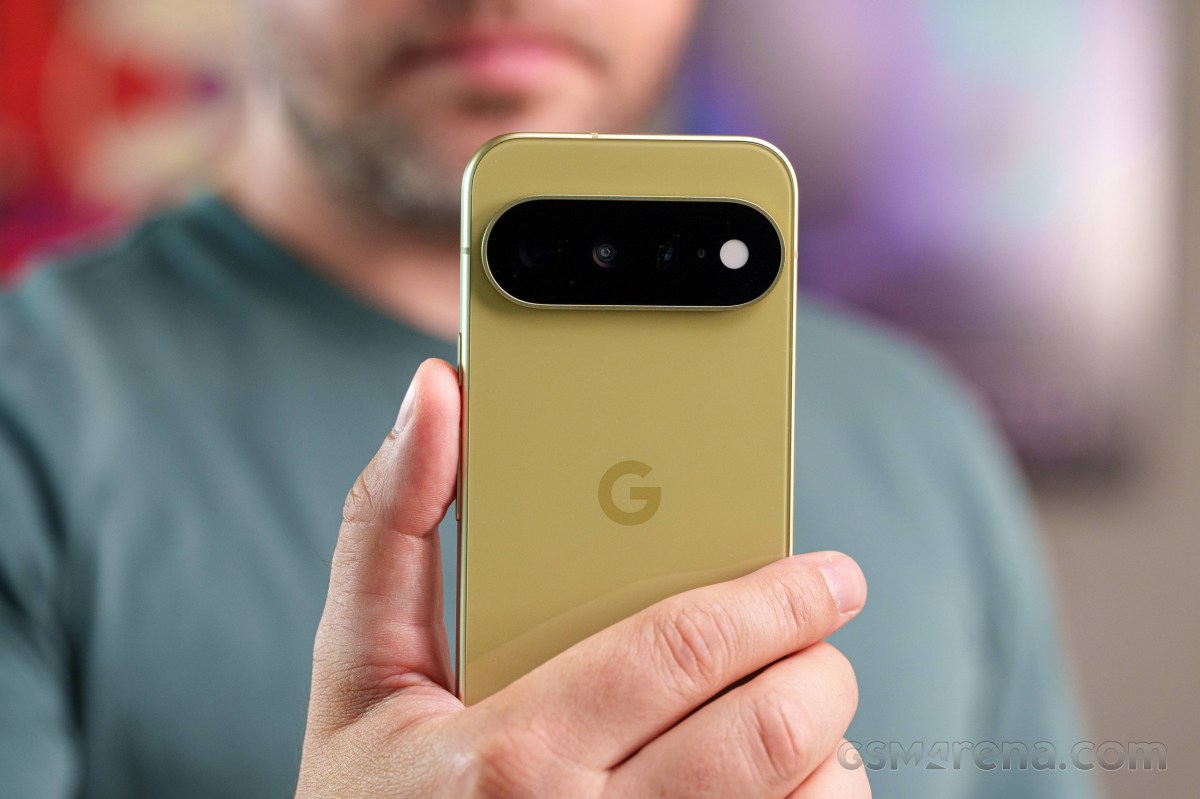

Our Pixel 11 is the lovely green Pistachio model. Though there is a rather aggressively pink Hibiscus model that looks wild. Unlike the Pro models, which use shiny side rails, the vanilla model uses a plainer anodized aluminum. It’s grippier and doesn’t get smudged up as easily, which is a plus in our minds.
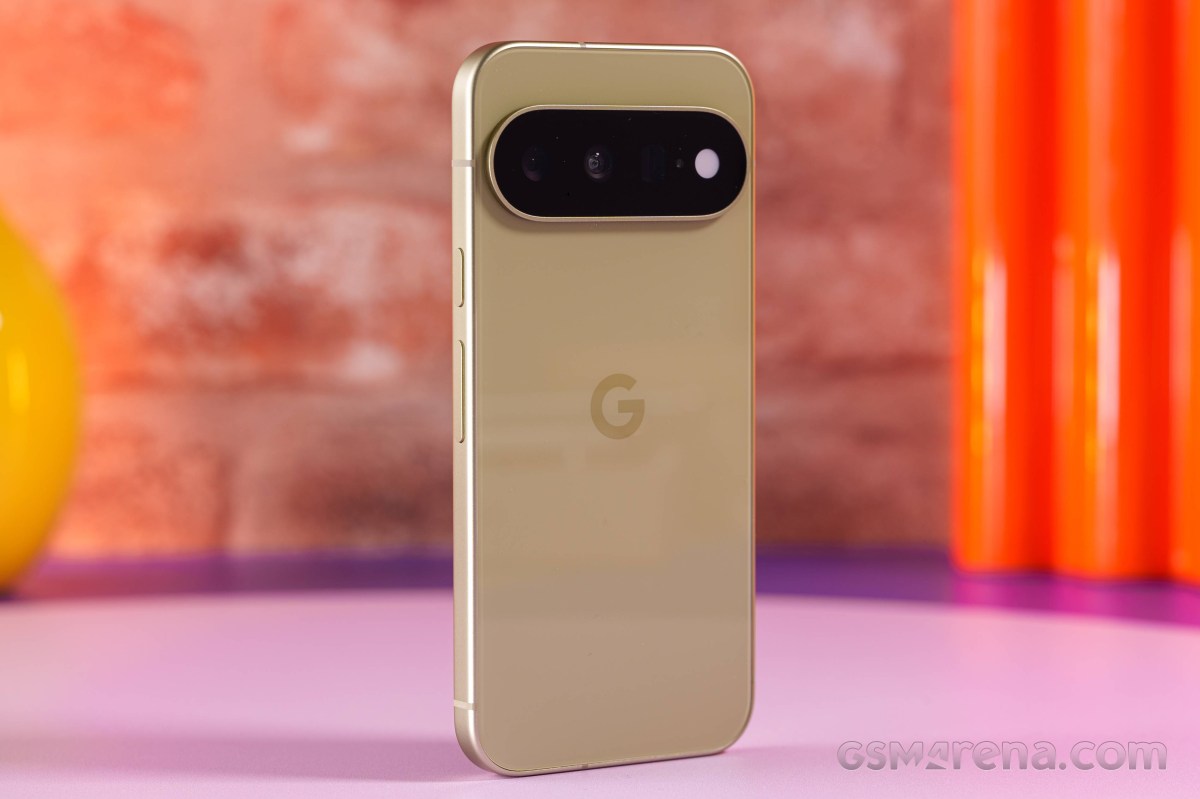
The Pixel 11 is one in a heavily contested market of premium compact phones. Google’s vanilla model will need to heavily rely on its unique physical style and the Google-envisioned Android experience to stand out. Long gone are the days when Pixel phones were bought for their photographic superiority.
Still, there are some unique touches. Magic Capture is one of those. We’d need to test it out, but it’s classic Pixel – go into Magic Capture, tap to start capturing, and just point the phone towards the action. The Pixel 11 will capture both stills and video, and then auto-select the keepers. It’s a way to keep you in the moment.
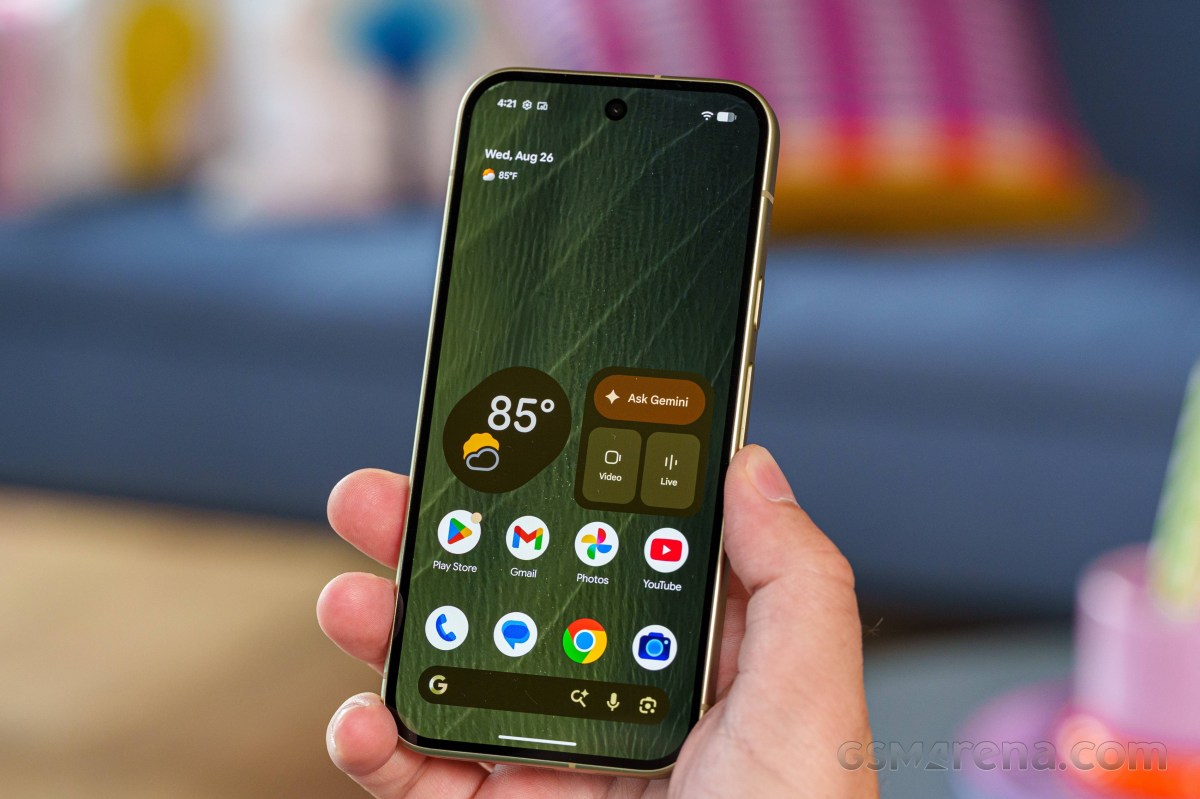
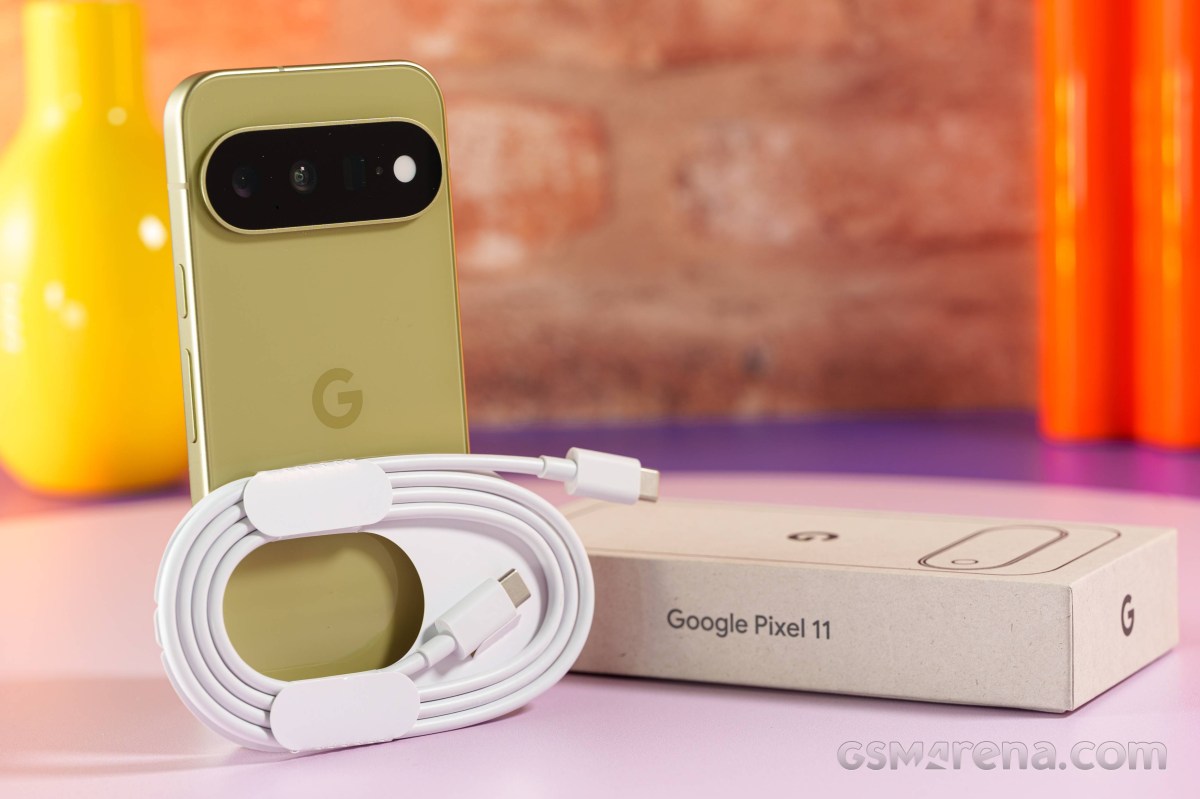
Before we get back to reviewing, let’s unbox the Pixel 11 and tell you a word on availability. The Pixel 11 ships with just a USB-C cable in the box. The phone starts at $899/£879/€999 for the base 256GB model, and goes up to $1,019/€1,129 for the 512GB model. The full set of colors is Frost, Pistachio, Hibiscus, and Obsidian.