
Apple finally did it – it unveiled its first foldable phone and it is called the iPhone Duo. Arriving many years after the first foldables became available means that the Duo is entering a heavily contested market. Or is it?
The Duo is the third kind of foldable. The first is the large book-style foldables pioneered by the Royole Flexpai and the Galaxy Fold. Shortly after arrived the second kind, the flip phone style, which was suitably introduced by the Motorola Razr. The Duo is a wide foldable, a relatively recent introduction.
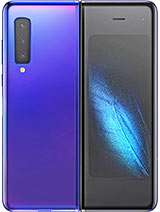
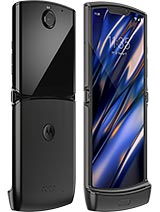
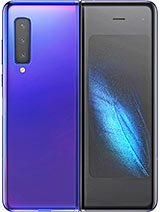
Samsung Galaxy Fold • Motorola Razr 2019

What that means is a smaller cover display, 5.4” in the case of the iPhone Duo, and an inner display that has close to a 4:3 aspect ratio. The Duo has a 7.6” inner panel. For comparison, the book-style foldables typically have tall cover displays and inner panels that are almost square (1:1), while flips have small cover displays plus tall and narrow inner displays.
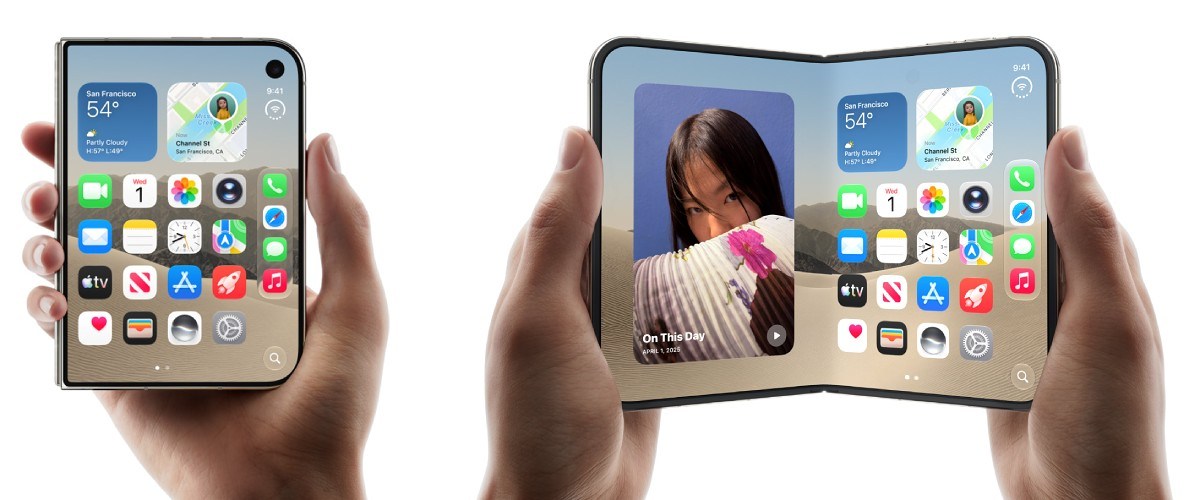
Apple iPhone Duo

There aren’t many wide models on the market. There is the recent Galaxy Z Fold8, which has a 5.5” cover display and a 7.8” inner display with an approximate aspect ratio of 4:3. The Samsung phone is thinner (9.7mm vs. 11.3mm) and it is much lighter (201g vs. 254g). It has a 4,800mAh battery (we don’t know the Duo battery capacity yet). The iPhone has stylus support, which is something that Samsung removed in the previous generation. The same goes for the under-display inner camera.
Looking at the back cameras, they are similar enough. The iPhone Duo has a large 48MP 1/1.28” main sensor with an f/1.6 lens (sensor shift OIS) and a 48MP 120° ultra-wide. The Z Fold8 has a 50MP main with a smaller 1/1.56” sensor and an f/1.8 lens (lens OIS), plus a 50MP 120° ultra-wide. We have a more detailed specs breakdown, if you are interested.
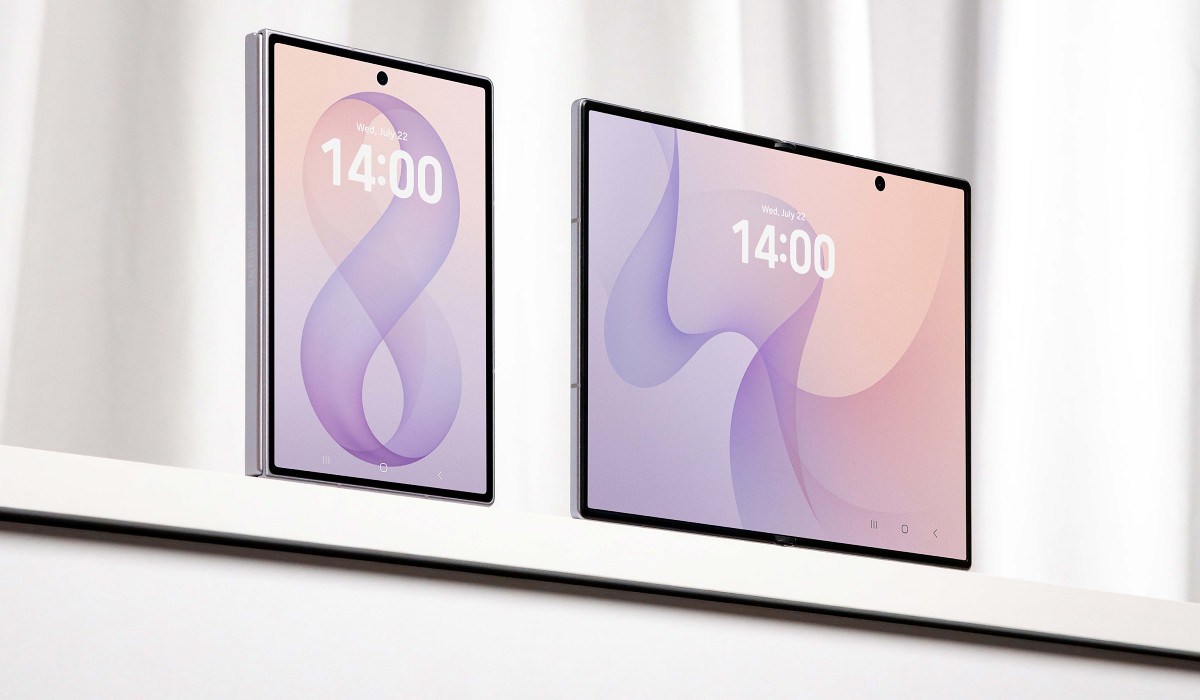
Samsung Galaxy Z Fold8

The iPhone Duo will release in late October, so it will be over a month before any testing can be done on it. This means it is harder to answer questions about the strengths and weaknesses of the phone compared to others.
The Xiaomi 18 Fold launched earlier this week and it fits the bill too – a 5.38” cover display and a 7.58” inner display with a 3:2 aspect ratio. This model measures 10.7mm thick and weighs 219g.
It has a more formidable set of cameras with a 200MP main (1/1.56” sensor, OIS), a 50MP 3.5x/80mm telephoto and a 50MP ultra-wide. It has a huge (for foldables) 6,000mAh battery with 67W wired and 50W wireless charging. The Z Fold8 does 45W wired and 20W wireless. We don’t have the full specs for the iPhone Duo, but we do know that it has 25W wireless (MagSafe) charging.
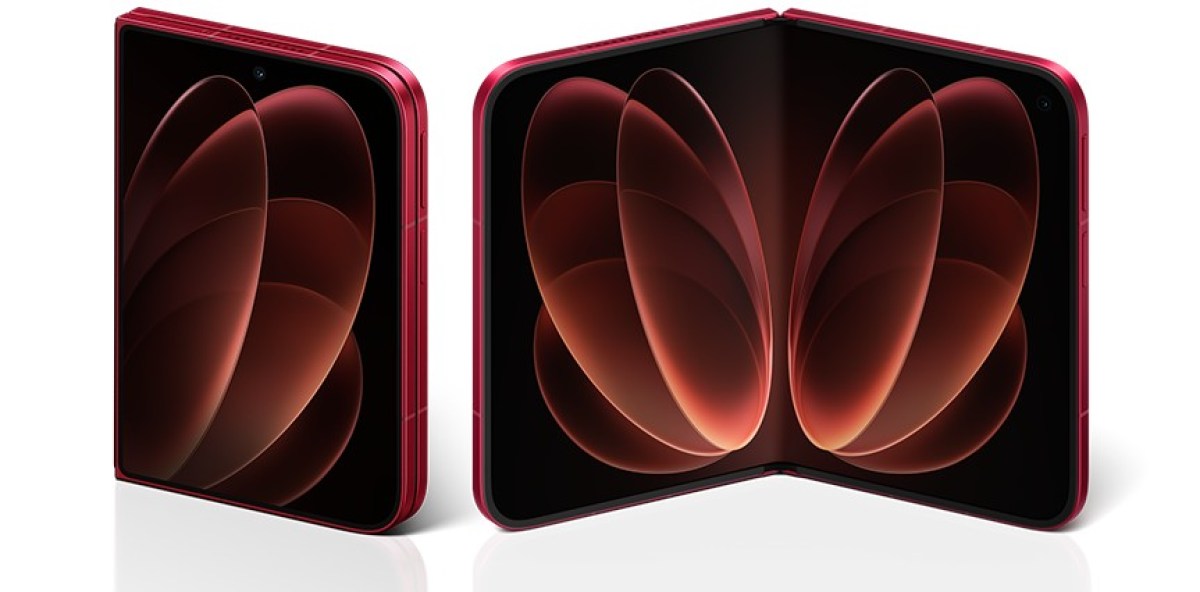
Xiaomi 18 Fold

Okay, what else? Well, the Huawei Pura X Max has a 5.4” cover display and a 7.7” 4:3 inner display. It certainly fits the definition of a wide foldable and, in fact, Huawei was the first to try out this kind of form factor with the smaller Pura X. Alas, unless you are in China, the Pura X models are not an option – while Huawei sells some of its phones overseas, including other Pura models, the Pura X series is not a part of that.
Still, let’s have a look at what might have been. The Pura X Max stands out with a 50MP 3.5x/81mm periscope to go along with the 50MP main (with a variable f/1.4-f/4.0 aperture) and the 12.5MP ultra-wide. This model has a 5,300mAh battery with 66W wired and 50W wireless charging. The phone measures 11.5mm thick and weighs 229g.
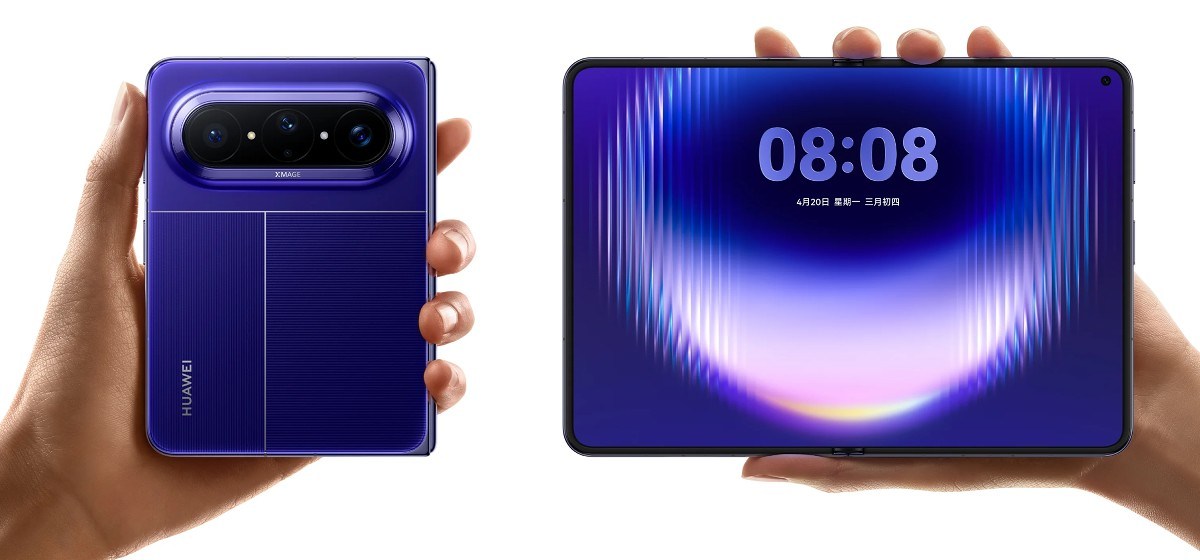
Huawei Pura X Max

Apple is the pied piper of the mobile world – you only need to look at the number of smartphones that launched with a burgundy color option in the last few months. The same thing happened last year with orange phones.
And it’s not just the choice of color either, Apple’s designs are influential in general. This is another way of saying that we expect to see many more wide foldables hit the market in 2027.
The funny thing is that some makers were almost there. The original Google Pixel Fold had a 5.8” cover display and a 7.6” inner display with a 3.6:3 aspect ratio. The original Oppo Find N had a 5.49” cover display and a 7.1” inner display with a 3.2:3 aspect ratio. The Find N2 was similar with a 5.54” cover display and a 7.1” 3.2:3 inner display. Okay, these aren’t quite right, but they were tantalizingly close. However, instead of iterating on these designs, both Google and Oppo ditched them to pursue larger book-style foldables with the following generations.

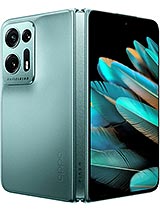
Google Pixel Fold • Oppo Find N • Oppo Find N2
That was probably the wrong move as the market is now converging on the wide foldable as the perfect middle ground between small flips and big book foldables. Just yesterday, Samsung was boasting about how much sales of Z foldables have improved with the Z8 series launch and how many Z Flip owners chose the Z Fold8 as their next phone. We don’t have the breakdown, but the large Z Fold8 Ultra may not be the best-selling Z8 model of this generation. And it certainly won’t be the Z Flip8.
As we mentioned above, we expect to see a lot more wide foldables going forward, so there will be more alternatives to choose from. But right now there are technically four options, except in most markets it’s actually only three options and in some markets (like North America) it’s only the Apple and the Samsung models.