
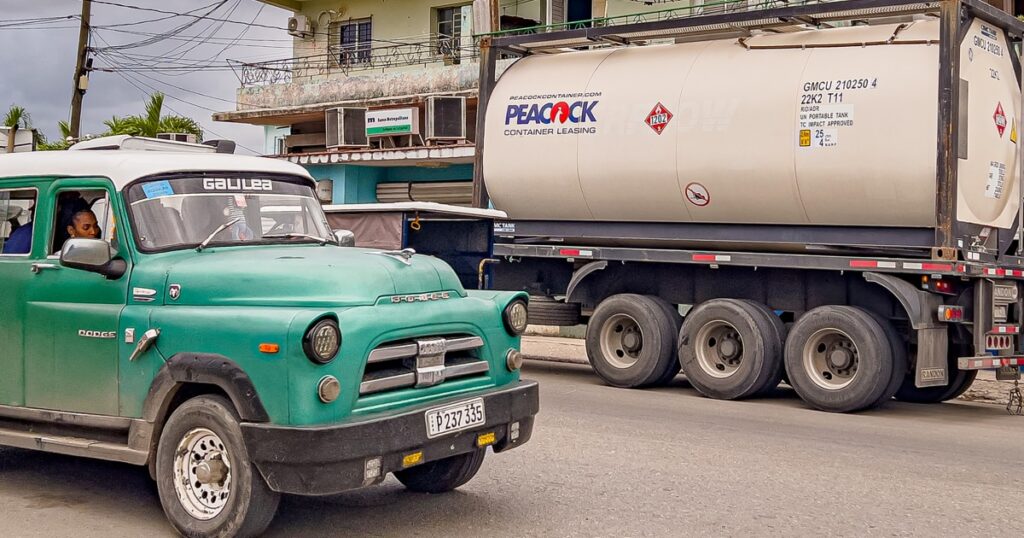
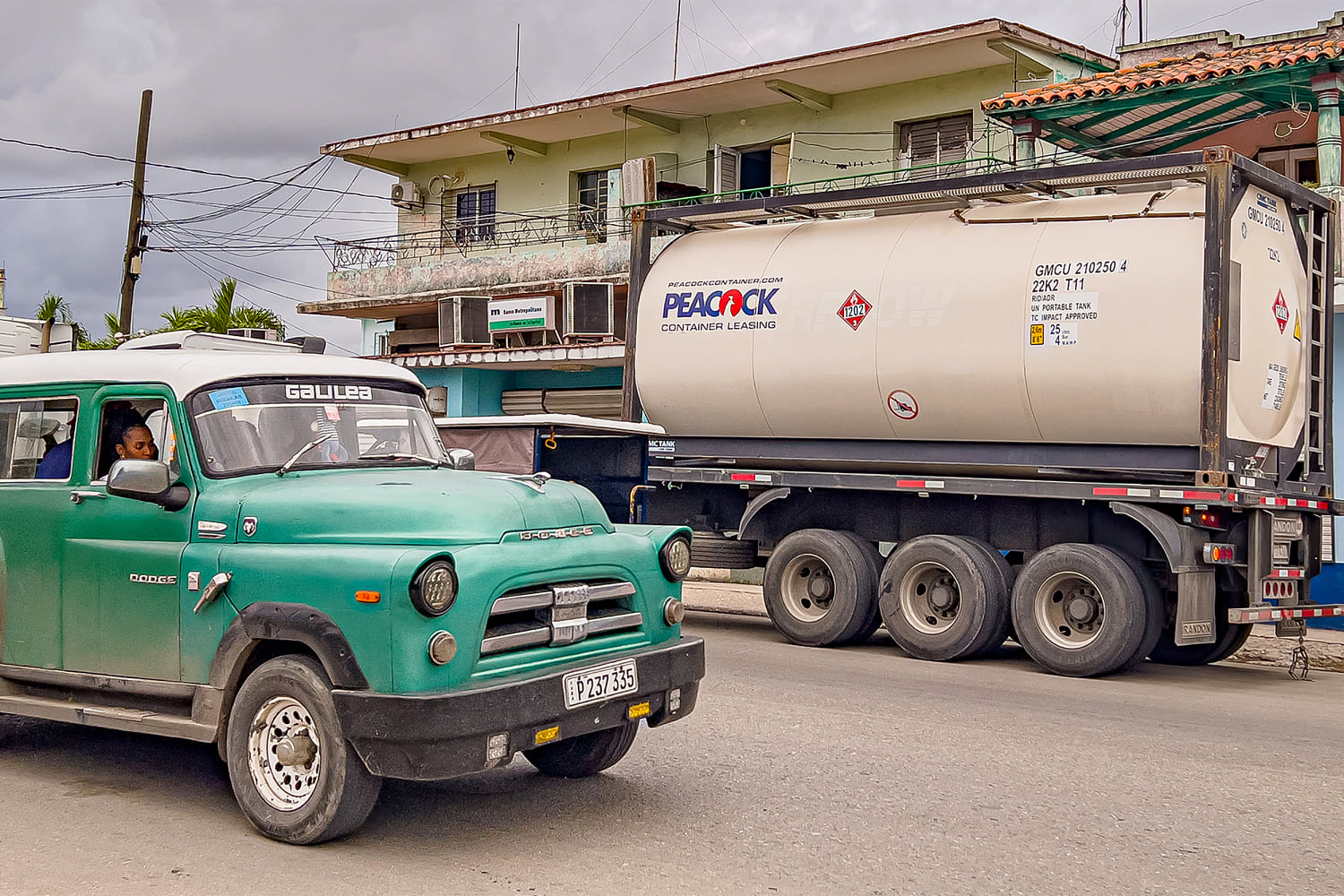

HAVANA — José Menenses, a taxi driver, slept in his 1952 Ford convertible along with hundreds of other drivers to save his spot in line to get an allotted 5 gallons of gas amid the country’s fuel shortage.
“This is not the first time we’re in great difficulty, so we’ve always managed to have a Plan B,” he said, when asked what he would do if the shortages prevented him from driving people around. In Havana, people are also ferried around by bicycle or horse-drawn cabs.
Menenses said he had to find a second job as a food vendor to make ends meet. He considers himself lucky because his children have small businesses that bring in some cash, and he has a small solar generator in his house and food in his refrigerator.
“I love what I do,” Menenses told NBC News. But these days there are few tourists and practically no gas, exacerbated by President Donald Trump’s oil blockade to the island in January.
Lines were also forming at a street market for basic food items like potatoes — for those who could afford it. “Today is market day but I can’t buy since I can’t afford it,” a young mother said.
At an upholstery business in Central Havana, Giovanni Rafael Peleta was happy there was power — unlike the recent total blackout that lasted a day. “It’s like having a rope around my neck,” he said.
He said he welcomed help from any country, including the U.S. “Things are just too dire to keep throwing stones,” he said.
Nelson Pérez, a barber, said there’s an urgent need for change. “We’re tired,” he said as he was cutting a little boy’s hair. On social media, Pérez has posted messages of protest, calling for profound democratic and economic changes in Cuba.
Oscar Pérez-Oliva Fraga, Cuba’s deputy prime minister, told NBC News in an exclusive interview that the country was open to having a fluid commercial relationship with U.S. companies and “also with Cubans residing in the United States and their descendants.” Cuban President Miguel Díaz-Canel urged “immediate” economic changes earlier this month, and the Trump administration has pressured for changes to the government’s leadership and economy.