

Newly elected Prime Minister-designate Ali al-Zaidi has been under pressure to take concrete action, including from President Donald Trump, who last week in a social media post wished him “success as he works to form a new Government free from terrorism that could deliver a brighter future for Iraq.”
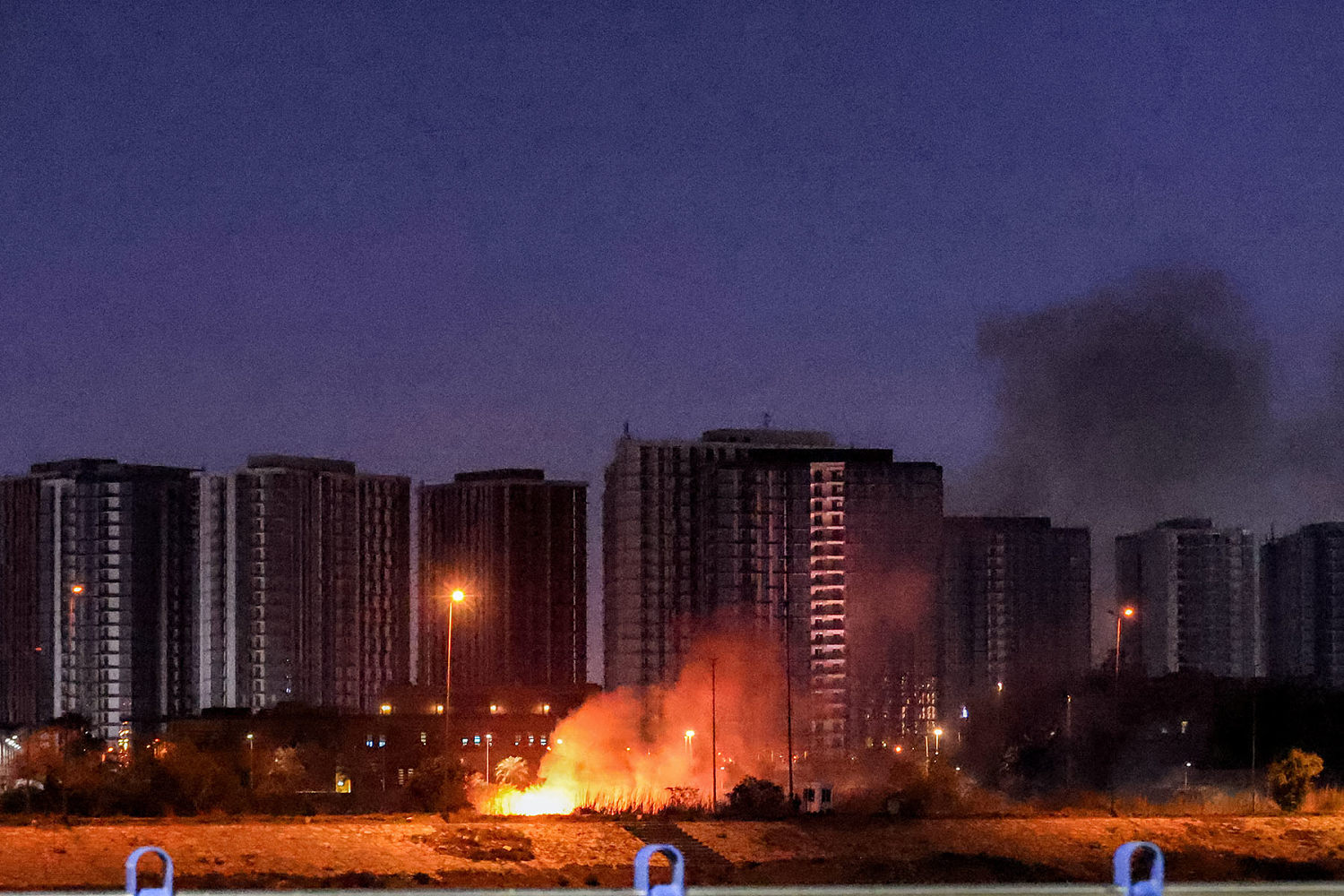
In April, the U.S. summoned Iraqi Ambassador Nizar Khirullah to Washington, where Deputy Secretary of State Landau condemned the hundreds of attacks in Iraqi territory, including what the U.S. called an ambush of U.S. diplomats on April 8, the day the ceasefire began between the U.S. and Iran.
Landau emphasized the Iraqi government’s failure to prevent the attacks and said the U.S. “expects the Iraqi government to immediately take all measures to dismantle the Iran-aligned militia groups in Iraq,” according to a readout of the meeting.
“There is a very blurry line right now between the Iraqi state and these militias,” the senior state department official said Tuesday, arguing that certain elements of the Iraqi state have continued to provide political, financial and operational cover to the groups. The official added that the prime minister understands the U.S. is looking for “action, not words.”
Concrete actions for the White House would be expelling militias, cutting off their support and denying payments, the official said.
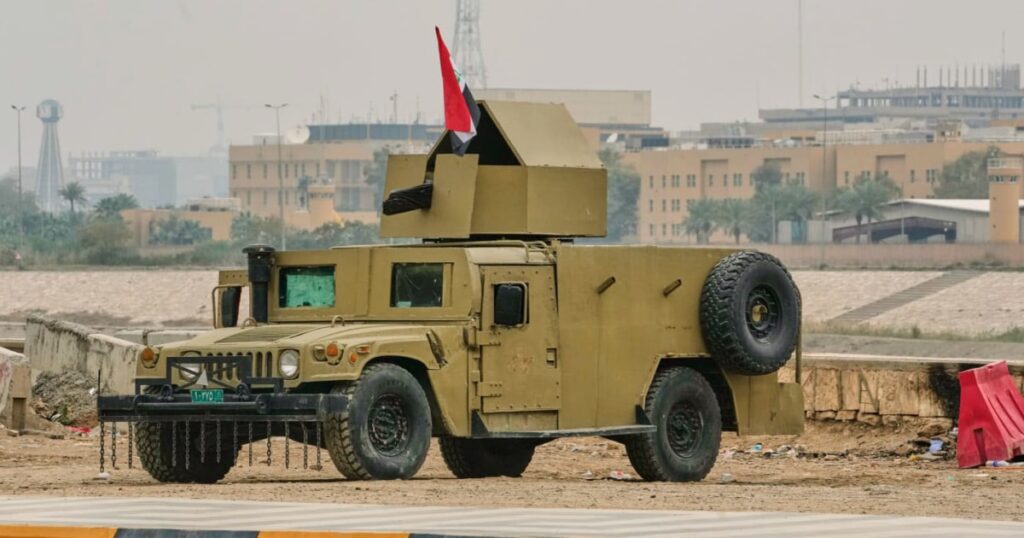
One critical group where Iran-aligned militias have gained influence is in the Iraqi state security service, the Popular Mobilization Force. The PMF started in 2014 as an umbrella group of several Shiite militias working together, with support from Iran, to fight the Islamic State in Iraq. But the PMF has now been formally integrated into Iraq’s national security forces.
The U.S. does not underestimate “the severity of the challenge or what it would take to disentangle these relationships,” the senior official said. “It could start with a clear and unambiguous statement of policy that the terrorist militias are not part of the Iraqi state.”