
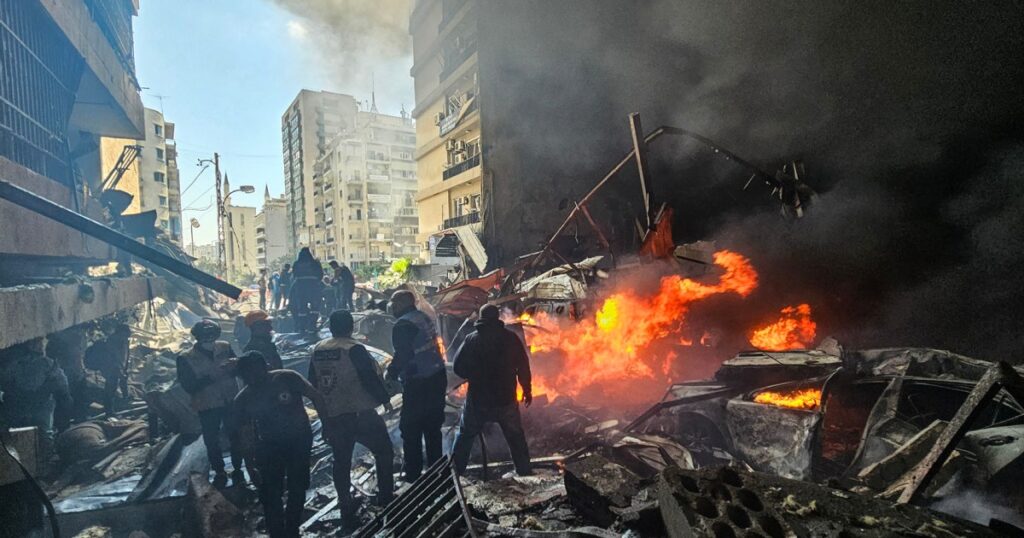
TEL AVIV, Israel — Israel’s military launched what it described as its most powerful attacks on Lebanon on Wednesday, killing hundreds of people and turning joy over the ceasefire in Iran into panic.
Subscribe to read this story ad-free
Get unlimited access to ad-free articles and exclusive content.


The importance of Israel’s attacks on Lebanon — and how they could lead to the unraveling of the ceasefire — was highlighted by Iran’s Parliament Speaker Mohammad Bagher Ghalibaf, a key player in the country’s current power structure, who said in a post on X that the attacks were a violation of the negotiating framework that President Donald Trump had agreed to.
French President Emmanuel Macron also weighed in after talking to both Trump and Iranian President Masoud Pezeshkian and said the ceasefire must include Lebanon.
“I expressed my hope that the ceasefire will be fully respected by each of the belligerents, across all areas of confrontation, including in Lebanon,” he wrote in a post on X. “This is a necessary condition for the ceasefire to be credible and lasting.”

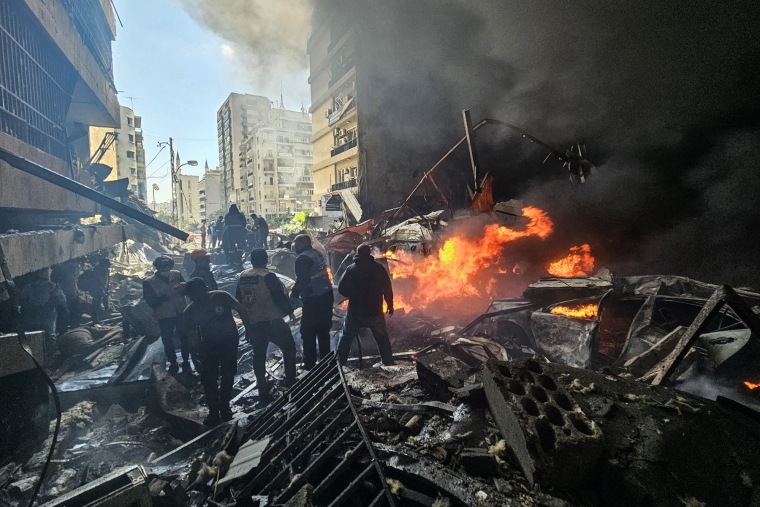
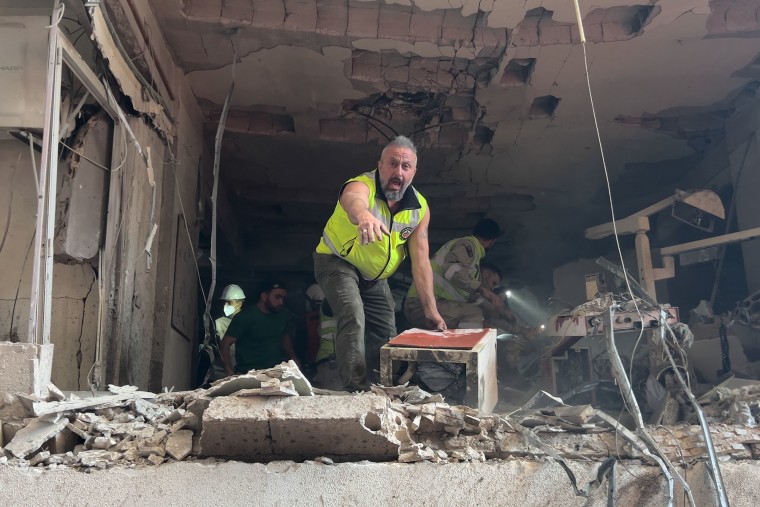
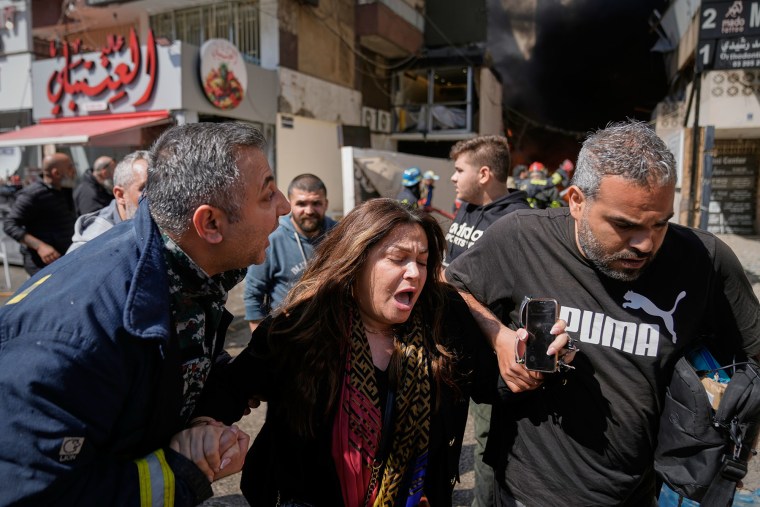
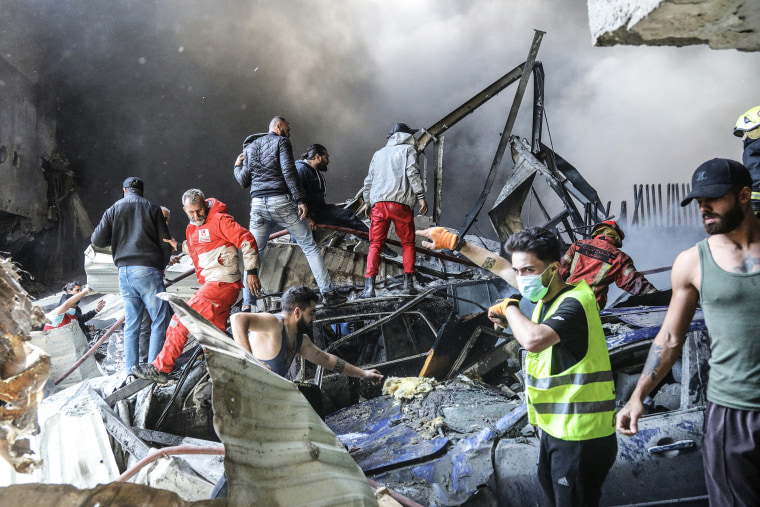
Verified video and photos from the region showed how sprawling strikes across parts of Beirut, southern Lebanon and the eastern Bekaa Valley shot towering columns of acrid smoke into the sky above the capital and sparked a desperate evacuation.
Lebanon’s civil defense service said the new strikes had killed at least 254 people and injured 1,165. Lebanon’s Health Ministry put the preliminary death toll from the new strikes at 203 — heaping more casualties on the more than 1,500 in Lebanon already killed in the more than five-week-old Israeli invasion.
Hezbollah had halted fire on northern Israel after the ceasefire between Iran, the U.S. and Israel took effect, the group said in a statement.
Iran war ceasefire live updates
The timing of Israel’s amplified attacks affirmed what its leadership had made clear Tuesday night in public statements and diplomacy: Israel remains determined to degrade Hezbollah even as it allows the U.S. to lead it into talks with Iran, the Lebanese militant group’s patron state.
But by Wednesday evening, Israel’s decision was wearing holes in the delicate U.S.-led diplomacy with Iran and could threaten to cleave divisions in the U.S. and Israel’s wartime alliance.
Iran threatened to suspend traffic through the Strait of Hormuz in response to Israel’s attacks on Lebanon, according to Fars, a semi-official news agency affiliated with the Islamic Revolutionary Guard Corps.
Trump told PBS News in a phone call after a morning Pentagon briefing that Lebanon is not included in the ceasefire deal “because of Hezbollah” but that the Lebanon issue would “get taken care of.”
The Israeli airstrikes came a few hours after a statement from Israeli Prime Minister Benjamin Netanyahu’s office rejected an earlier announcement by Pakistani Prime Minister Shehbaz Sharif that the ceasefire deal would include Lebanon.
According to Lebanese authorities, more than 1.2 million people have been displaced since the Iran-backed Hezbollah militia reopened its fight against Israel last month. An aid worker in Beirut described “total chaos” in Lebanon’s capital, with bombs raining down over the city, striking what she described as civilian areas with “no warning.”
“These are not targeted attacks,” Dr. Tania Baban, the Lebanon country director for the Chicago-based nonprofit MedGlobal, told NBC News in a voice note, describing dozens of strikes across the city. She said her ears were “still ringing” after a building right by hers was hit.
The Israeli military said its airstrikes hit 100 targets within 10 minutes, striking Hezbollah headquarters, military arrays and command-and-control centers. The Israel Defense Forces “eliminated” more than 40 Hezbollah militants, said its international spokesperson, Lt. Col. Nadav Shoshani.
The strikes were the “result of meticulous planning over weeks,” Shoshani said.
In statements Wednesday, the IDF implied that its attacks may expand further into northern Beirut, which has not historically been associated with Hezbollah or its mostly Shia Muslim supporters.
“The Hezbollah terrorist organization concentrated its forces in northern Beirut,” the IDF said. “For years, Hezbollah has used the civilian population as human shields, and it has now begun using” non-Shia civilian populations as well,” it said.
Meanwhile, Lebanese government officials and Hezbollah both sought to assure the public that the nation would soon be included in the broader regional treaty.
Hezbollah said it was on the “threshold of a major historic victory” and warned displaced families to wait for a formal ceasefire.

Hezbollah first fired projectiles over Lebanon’s southern border with Israel in early March, days after Israel and the U.S. began their offensive against Iran. That act of solidarity thrust all of Lebanon into another grinding conflict with Israel less than a year and a half after the U.S. negotiated a ceasefire in Israel’s previous offensive against Hezbollah, which also caused thousands of Lebanese casualties and a massive displacement crisis.
Israel is weeks into a sprawling invasion in Lebanon. Israeli evacuation orders for Lebanese civilians now cover about 15% of Lebanese territory, according to Reuters.
But for most Lebanese civilians, the renewed fighting has once again cast them as unwilling participants in a regionwide conflict.
“Hopefully a ceasefire will be reached,” Ahmed Harm, a 54-year-old man displaced from Beirut’s southern suburbs, told the Reuters news agency. “Lebanon can’t take it anymore. The country is collapsing economically, and everything is collapsing.”