
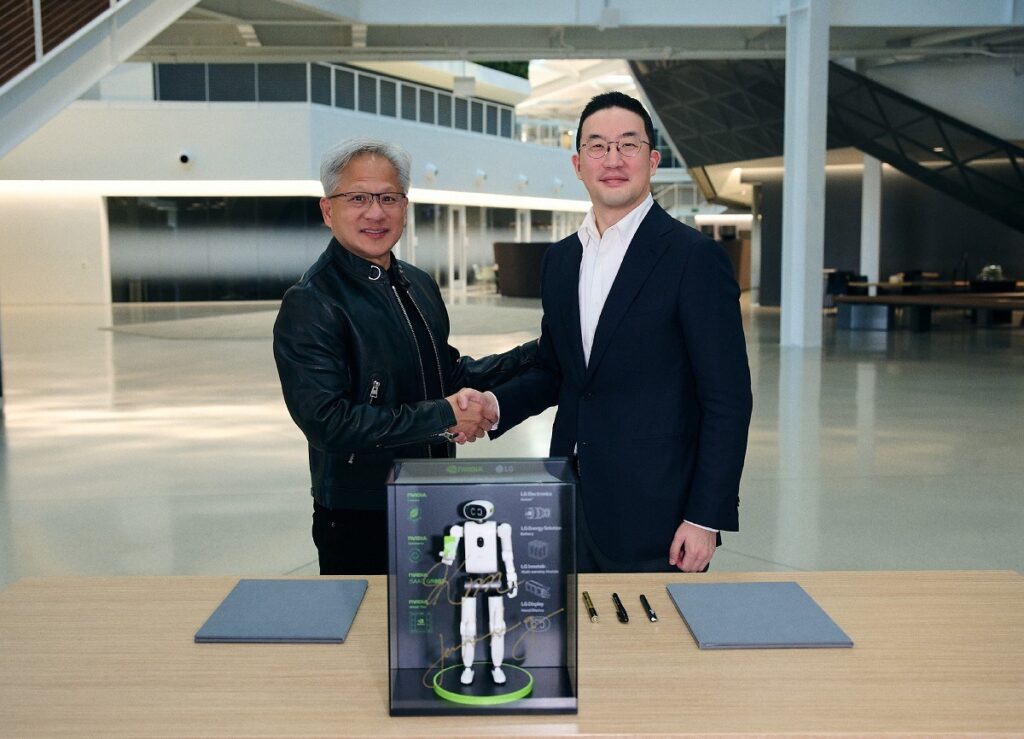
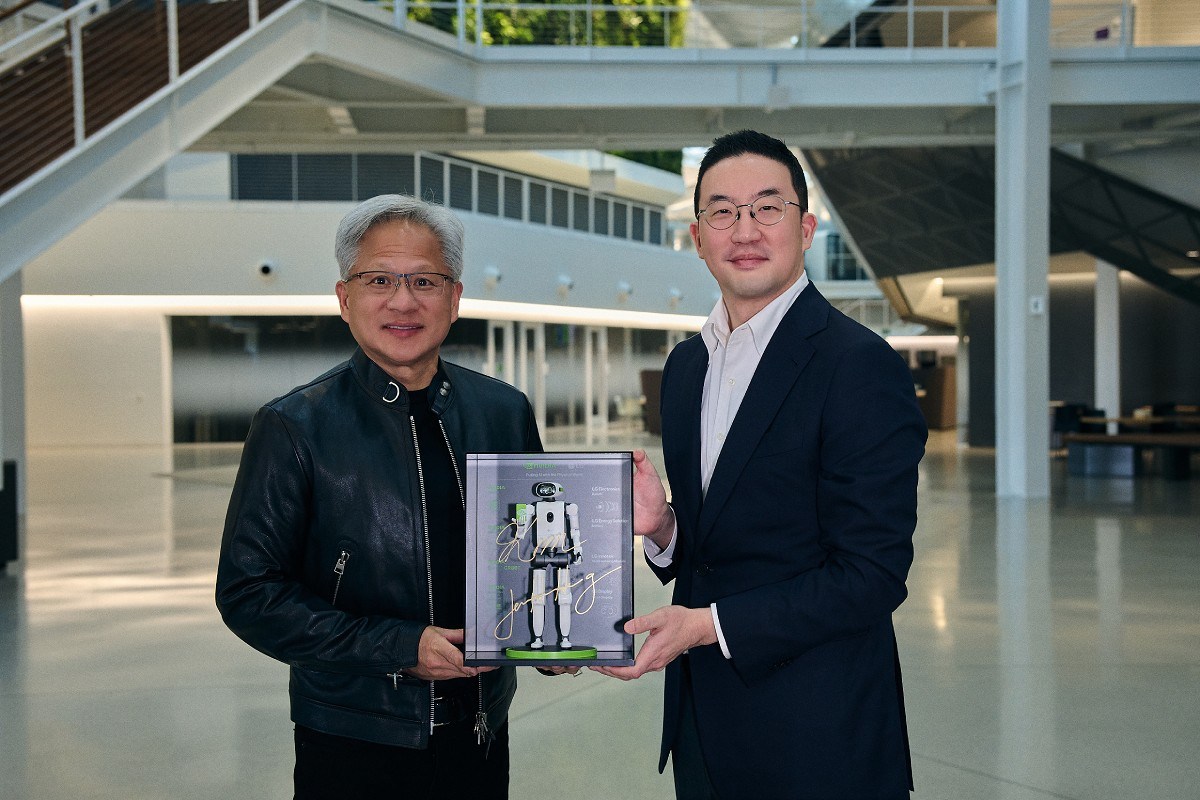
Chairman and CEO of LG Corp. Kwang Mo Koo visited the Nvidia headquarters at Santa Clara, California, to sign a memorandum of understanding with CEO Jensen Huang. This memorandum focuses on expanding the AI capabilities of both companies.
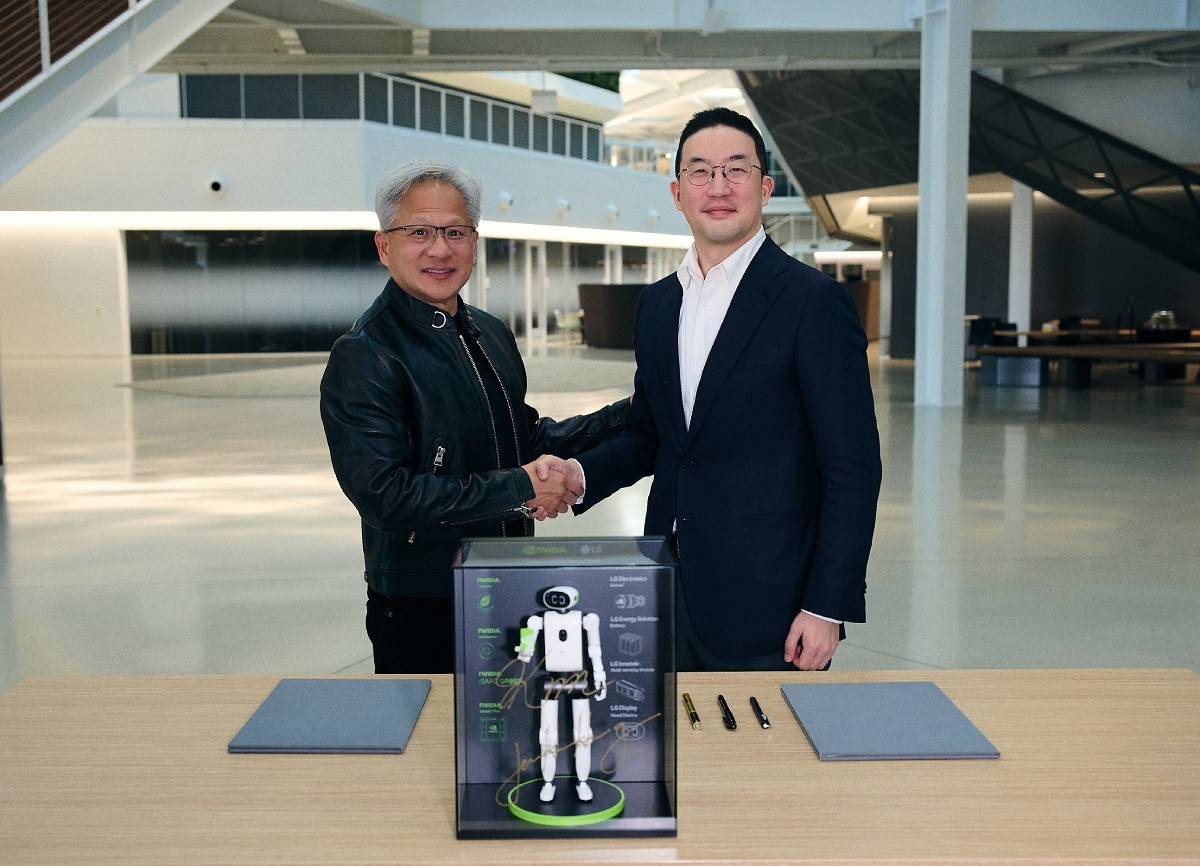
LG and Nvidia CEOs posing with a miniature humanoid robot

The headline-grabbing announcement is that LG plans to unveil a humanoid robot in the first quarter of 2027. This bipedal robot will use Nvidia’s Jetson Thor for on-board compute and the Isaac GR00T open reasoning humanoid foundation model.
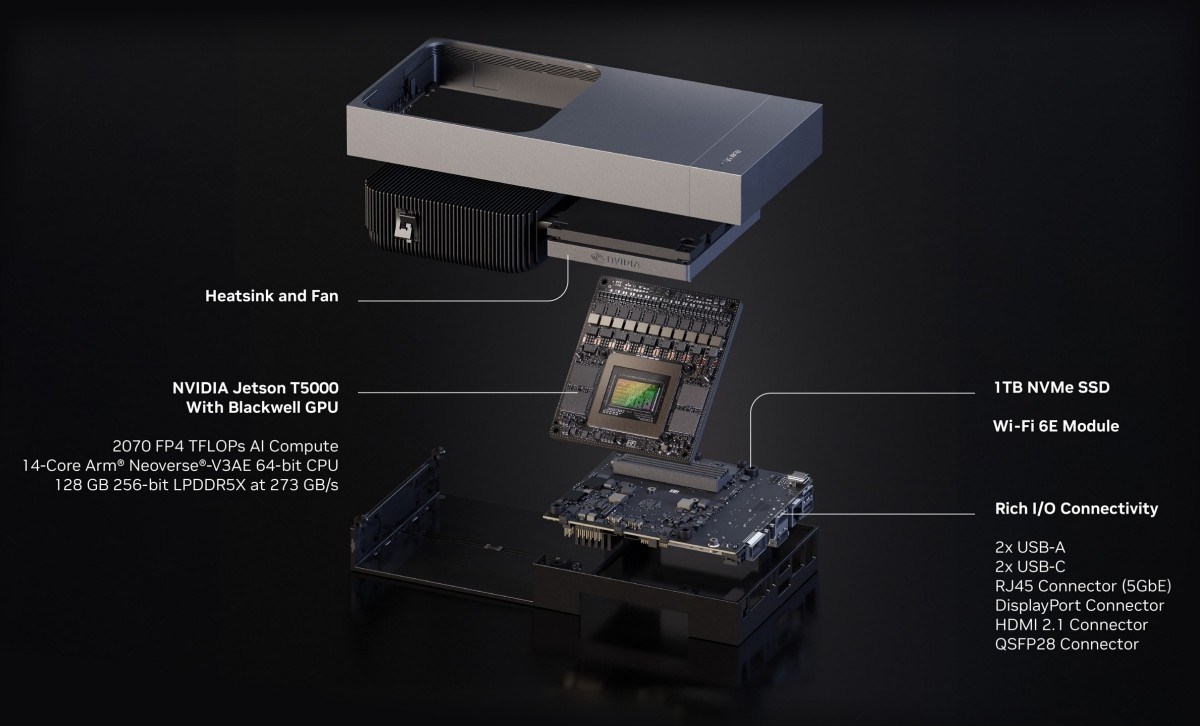
The Nvidia Jetson Thor offers 2,070 TFLOPs of compute

Less futuristic but perhaps a lot more practical is LG CLOiD – a wheeled robot that the company will deploy in its washing machine manufacturing line in Tennessee later this year.
The goal is to use the manufacturing line as a proving ground for the robot where it will improve its capabilities. Once the robot becomes good enough to be helpful at that factory, the company plans to bring it to global production facilities. LG sees a future for CLOiD in factories, commercial spaces and even in people’s homes.
LG is also building a reference AI data center to be ready in the first half of 2027. It will be based on Nvidia’s Vera Rubin. The company will then leverage the experience gained from the reference data center to build an “LG AI Factory” in Cheonan, Chungcheongnam-do, by the first half of 2028. This one will bring a massive 80 MW of compute online.
The goal of the AI Factory is to allow LG to train its own AI models to use in its robots. Additionally, the AI Factory will serve as a showcase of what LG can do – the company wants to offer validated, turnkey package solutions for anyone else who wants to build a massive AI data center.
This is part of the “One LG” strategy and will pull from different members of the LG family – the AI Factory will use batteries, sensors and actuators from the likes of LG Energy Solution, LG Innotek and LG Electronics.
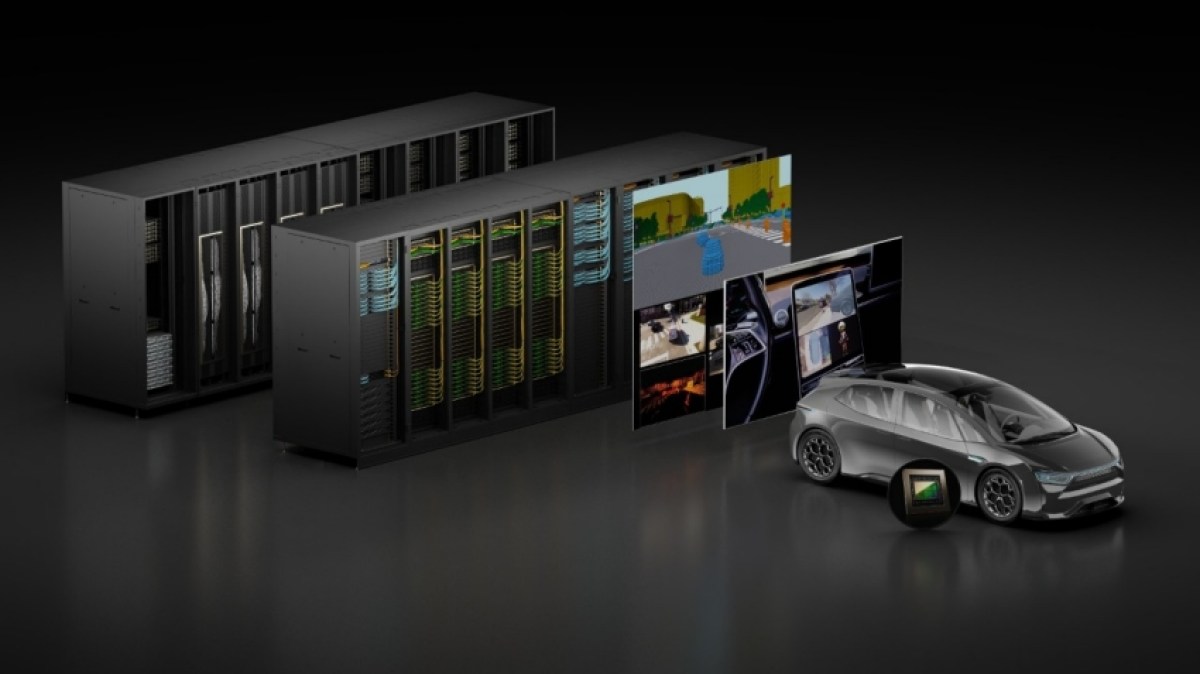
Nvidia Drive Hyperion

LG is getting into self-driving vehicles too – it will build the next generation of AI-Defined Vehicles based on Nvidia’s Drive Hyperion and it will integrate such capabilities into LG-made in-vehicle infotainment (IVI) systems.
The goal is to provide global OEMs with hardware that integrates self-driving and in-cabin AI services.
By the way, rival Samsung recently launched a Robotics eXperience division to build humanoid robots, factory robots, robotic hands and more. And, of course, the company is big in automotive electronics (through its Harman subsidiary).

Kwang Mo Koo, Chairman and CEO of LG Corp., said, “As our discussions have moved fast, our tasks and goals in AI Factory and Physical AI have become clear. We will accelerate the spread of AI by building industry-leading references.”
Jensen Huang, founder and CEO of Nvidia, said, “The defining opportunity of physical AI is to give every machine the ability to understand the real world, reason and act safely alongside people — reshaping everyday life from the home and factory floor to the road. Building on years of collaboration, LG and NVIDIA are combining LG’s leadership in product engineering and manufacturing with NVIDIA technology to accelerate the next era of robots, AI factories and autonomous vehicles.”