
Hybrid adoption is gradually growing in the Indian car market. Hybrid vehicles are favoured for their higher fuel efficiency and lower running costs compared to conventional ICE (internal combustion engine) models. Unlike EVs (electric vehicles), hybrids do not require charging infrastructure, and eliminate range anxiety concerns.
Currently, Toyota Kirloskar Motor dominates the hybrid segment with models like Toyota Innova Hycross, Toyota Urban Cruiser Hyryder and Toyota Camry. Other key players in this space are Maruti Suzuki and Honda.
Also Read: 5 New Mahindra SUVs Coming In 2026 – Petrol, Diesel & EV
OEMs such as Hyundai, Kia, Renault and Mahindra are now considering to enter the hybrid segment over the next few years. According to Autocar India, Mahindra & Mahindra is considering both hybrid and range extender EVs for its future SUVs including the XUV 7XO and XUV 9e.


Mahindra XUV 7XO Hybrid Details
Similar to the Maruti Grand Vitara and Toyota Hyryder, the upcoming Mahindra hybrid SUV is likely to use a strong hybrid system comprising a petrol engine and an electric motor for powering the wheels. The carmaker is expected to use the same strong hybrid powertrain across several of its existing ICE-powered SUVs, and the XUV 7XO could be one of the first models to receive it. Codenamed W613, the Mahindra XUX 7XO hybrid SUV is reportedly under study and expected to arrive in 2027.
Mahindra XEV 9e Range-Extender Hybrid Details
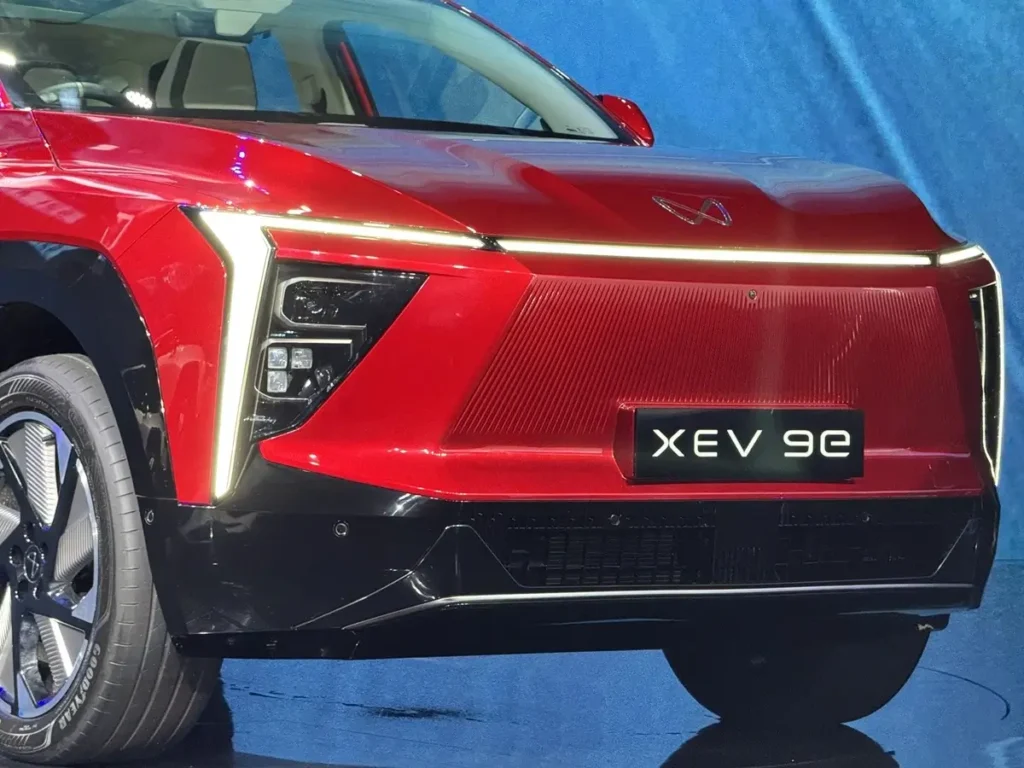
Mahindra is also evaluating range-extender technology for its new-age INGLO platform based electric SUVs. The Mahindra XEV 9e is expected to be the brand’s first EV to feature this setup. Codenamed W623, the model is likely to launch in 2028. The report further states that the carmaker is assessing hybrid applications for its proven 1.2-litre and 1.5-litre engines.
Mahindra will need to undertake comprehensive engineering work, as skateboard EV architectures are not originally designed to accommodate an ICE engine, gearbox and exhaust system. This process will include reconfiguring the platform layout, upgrading the thermal management system, revising crumple zones and conducting fresh crash safety validation.