
Introduction
After reviewing the Moto G Power (2026), it is now time to take a closer look at the vanilla Moto G (2026). Specs-wise, the vanilla model slots right between the G Power (2026) and the Moto G Play (2026).
What’s interesting is that the vanilla Moto G (2026) & Moto G Play (2026) are almost identical devices. We’ve had both smartphones available, and while we won’t be reviewing the G Play (2026) on its own, you will see us reference it throughout this review.
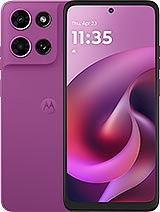
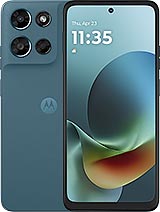
Motorola Moto G (2026) • Motorola Moto G Play (2026)

The Moto G (2026) and G Play (2026) have a few highlight features, starting with the design and the vegan-leather-like backs, which punch above their weight. They also have dedicated microSD card slots and 3.5mm audio jacks – two features that are becoming harder and harder to find. There are also stereo speakers and eSIM support. And finally, the Moto G and G Play are also considerably cheaper than the Moto G Power.

While they have mostly identical specs, Moto G and G Play do have some differences. The Moto G Play has had its camera setup downgraded a bit with a 32MP rear camera, 8MP selfie and no macro cam. The storage on the G Play is also half the size at 64GB. And its max charging power is rated lower – 18W vs 30W. But that’s about it.
And despite not carrying the “Power” branding, all three phones in the series have the same-sized batteries with a 5,200 mAh capacity.
Moto G (2026) & Moto G Play (2026) specs at a glance:
- Body: 167.2×76.4×8.5mm, 202g; Glass front (Gorilla Glass 3), silicone polymer (eco leather) back, plastic frame; Water-repellent design.
- Display: 6.70″ IPS LCD, 120Hz, 1000 nits (peak), 720x1604px resolution, 20.05:9 aspect ratio, 262ppi.
- Chipset: Mediatek Dimensity 6300 (6 nm): Octa-core (2×2.4 GHz Cortex-A76 & 6×2.0 GHz Cortex-A55); Mali-G57 MC2.
- Memory Moto G: 128GB 4GB RAM; microSDXC (dedicated slot).
- Memory Moto G Play: 64GB 4GB RAM; microSDXC (dedicated slot).
- OS/Software: Android 16.
- Rear camera Moto G: Main: 50 MP, f/1.8, 0.61µm, 29mm, PDAF; Macro: 2 MP, fixed focus.
- Rear camera Moto G Play: Main: 32 MP, f/2.2, 0.64µm, 28mm, PDAF.
- Front camera Moto G: 32 MP, f/2.2, 0.64µm, 23mm, fixed focus.
- Front camera Moto G Play: 8 MP, f/2.0, 0.64µm, 26mm, fixed focus.
- Video capture: Rear camera: 1080p@30fps; Front camera: 1080p@30fps.
- Battery: 5200mAh; Moto G – 30W charging; Moto G Play – 18W charging; .
- Connectivity: 5G; eSIM; Wi-Fi 5; BT; NFC; FM radio; 3.5mm jack.
- Misc: Fingerprint reader (side-mounted); stereo speakers (with Dolby Atmos).
Despite their different price points, the three Moto G devices are based on the same MediaTek Dimensity 6300 chipset, which is 5G enabled but quite underpowered overall, as we saw in our Moto G Power (2026) review.
Another bit of a red flag in specs is that the Moto G (2026) and Moto G Play (2026) arrive with a downgrade in the display department compared to the already disappointing LCD of the Moto G Power (2026). The resolution is now lower, going from FullHD+ to HD+ (720p). So definitely pay attention to our detailed analysis of the chipset performance and display quality on the next pages.
Also, unlike its G Power (2026) sibling, the vanilla Moto G (2026) and the G Play (2026) lack any formal ingress protection – there is just Motorola’s vague promise of a “water-repellent design”.
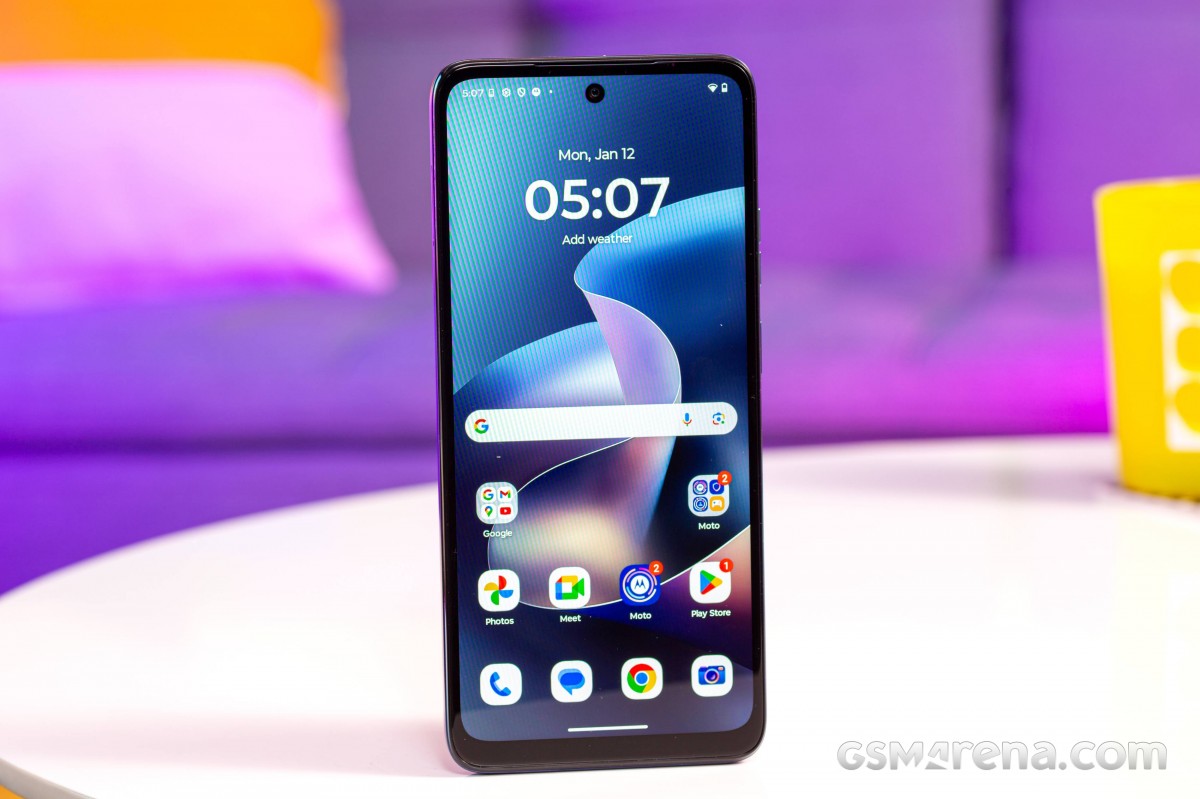

The Moto G (2026) and Moto G Play (2026) are also equipped with a meager 4GB of RAM, which, as you can imagine, is far from ideal for a 2026 device and even more so for futureproofing.
And finally, neither the Moto G (2026) nor the Moto G Play (2026) has an ultrawide camera on its back.
Unboxing
The Moto G (2026) and Moto G Play (2026) both come in a very slim, two-piece cardboard box with a simple, two-tone design and glossy printing.
Motorola has also gone all-in on eco-friendly packaging here – there’s no plastic anywhere, neither inside nor on the outside, and the printing is done using soy ink as well. Bonus points for that.
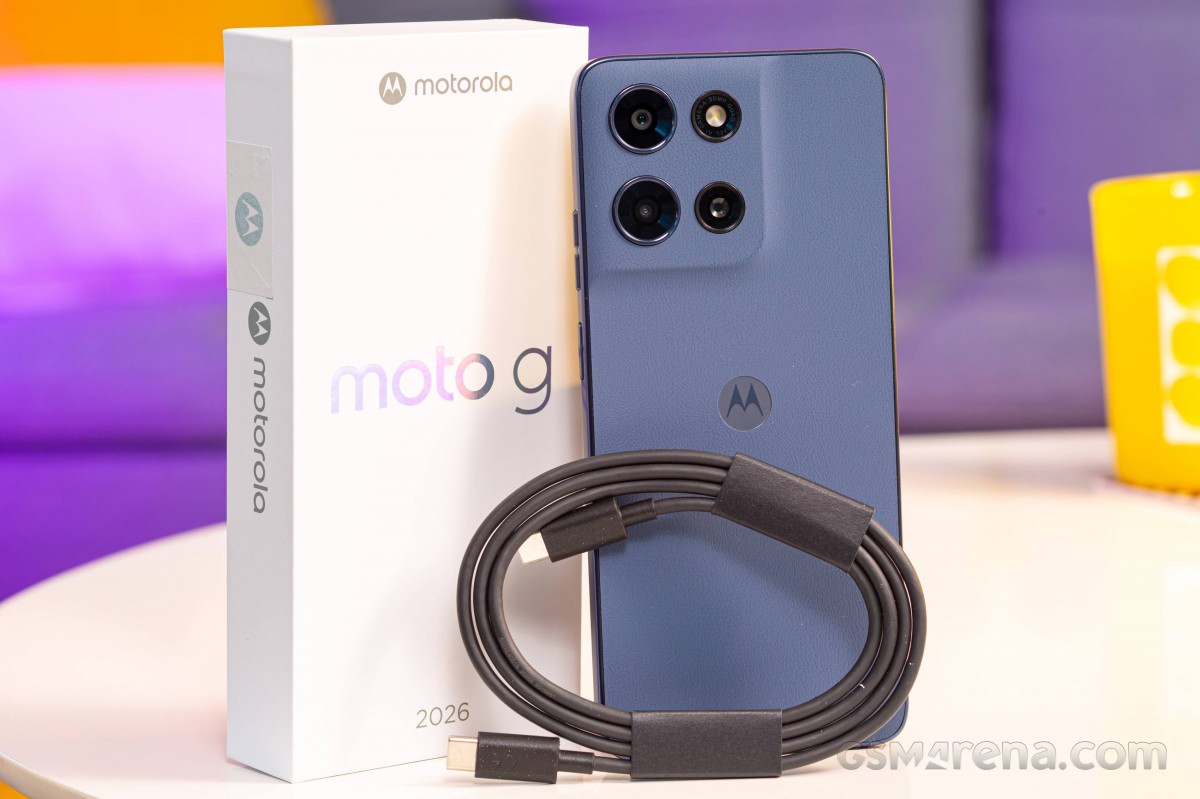
As for the contents, there isn’t much of an accessory bundle to talk about. Alongside the phone, you only get a basic USB Type-C to Type-C cable (rated for 3A), wired for both charging and data. And that’s it – no charger, no protective case, no extras.