
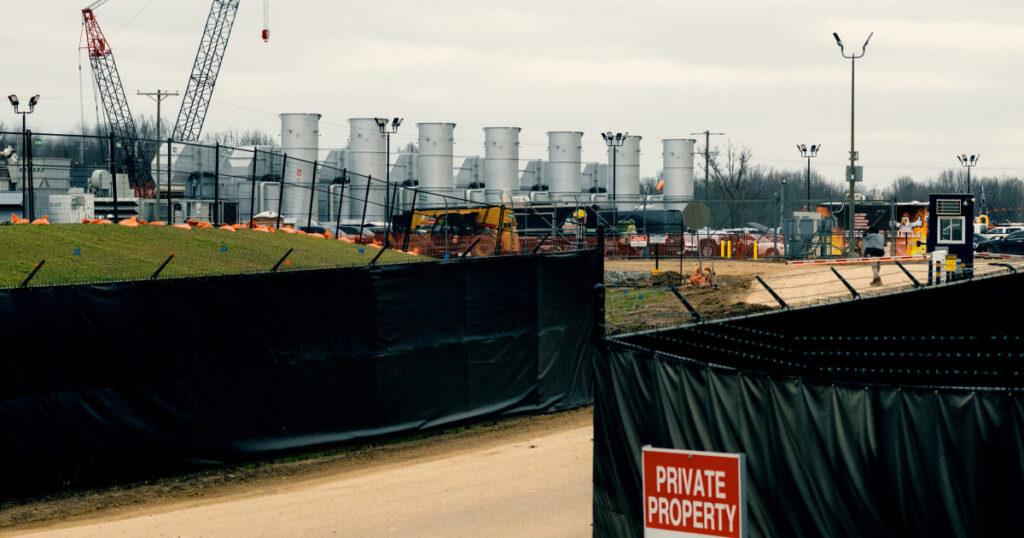
She acknowledged there may be some benefits from the xAI project, but she fears it’s already coming at her family’s expense. Two of her children developed respiratory problems since the plant went online, she said. The nonprofit Southern Environmental Law Center has said gas turbines produce pollution and release hazardous chemicals, including formaldehyde.
Opponents of the Southaven turbines said their concerns have nothing to do with politics.
Gossett, a former small-business owner, praised Musk’s success and the work Musk did as the head of the Department of Government Efficiency, calling it “a service.”
He said that after another 2 a.m. wakeup, though, he has had enough. “You need to come over and stay at my house for a week,” Gossett said, addressing Musk.
Jason Haley, an IT worker, co-founded the Safe and Sound Coalition, a nonprofit environmental advocacy group pushing to shut off the turbines.

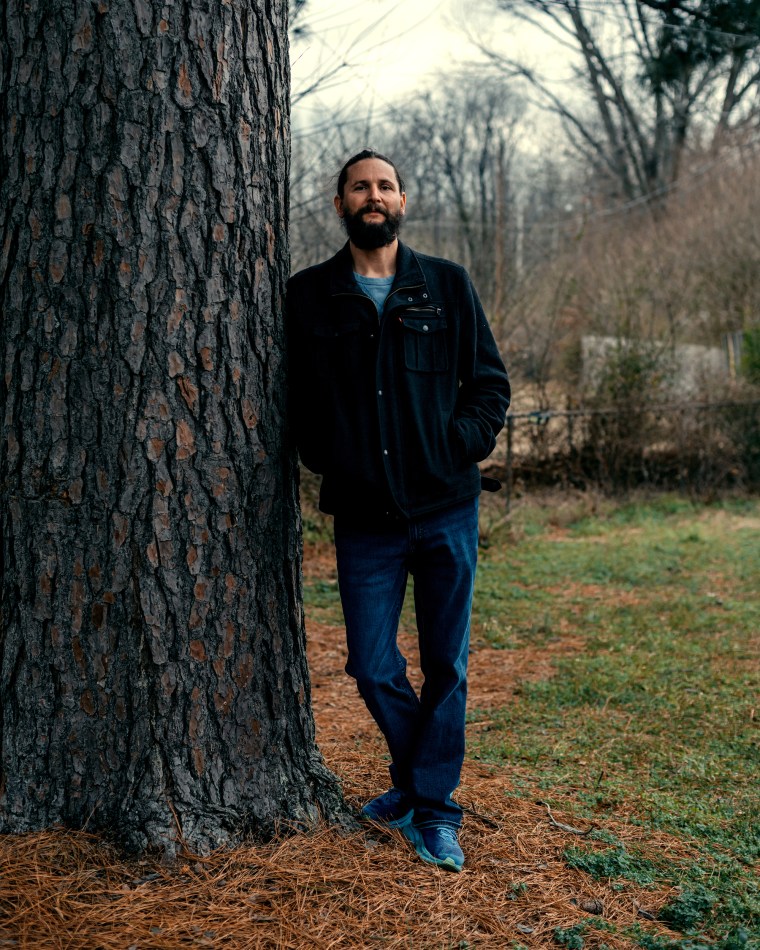
Haley can hear the turbines from his home in a working-class subdivision called Colonial Hills. He started posting daily recordings that caught the attention of local news media, and he has questioned why noise mitigation efforts weren’t put in place from the beginning.
“If you knew the noise was going to be an issue, put in a sound wall first,” he said. “Do some other stuff first before you torture us. That’s not that hard of an ask.”
A noise analysis conducted by xAI hasn’t been made public.
Raising the volume
The NAACP has accused xAI of powering up its turbines in Southaven without a permit. The civil rights organization said the company is following the same playbook it used in Memphis to bring its Colossus I data center online in 2024 in just 122 days.
There, too, xAI ran turbines for months before it sought air permits. Residents of a nearby predominantly Black neighborhood called Boxtown told NBC News at the time that they were experiencing health issues. (City officials later released a study that showed pollutants weren’t at dangerous levels, a finding advocates questioned.)
“Mississippi has a long and powerful history of making decisions intensifying environment harms of Black and low-income communities, treating our neighbors as a sacrifice zone,” Robert James, president of the Mississippi State Conference of the NAACP, said at the Southaven hearing.