
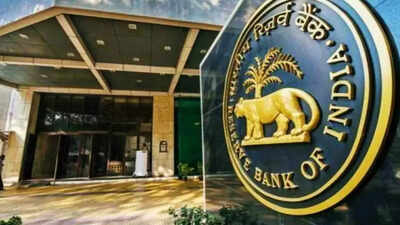
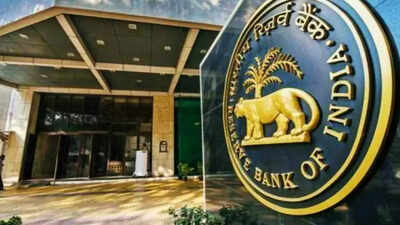
Reserve Bank of India (RBI) governor Sanjay Malhotra on Wednesday said that the Monetary Policy Committee has decided to keep the repo rate unchanged at 5.25% with a neutral policy stance. India continues to be the world’s fastest growing major economy and has been reaping the benefits of low inflation for the last few quarters. The RBI has already cut repo rate by 1.25% in this easing cycle, but has maintained status quo in the last two policy reviews.“After a detailed assessment of the evolving macroeconomic and financial developments and the outlook, the MPC voted unanimously to keep the policy repo rate under the liquidity adjustment facility unchanged at 5.25 per cent; consequently, the standing deposit facility rate remains at 5.00 per cent and the marginal standing facility rate and the Bank Rate at 5.50 per cent. The MPC also decided to continue with the neutral stance,” RBI governor Sanjay Malhotra said.
MPC meet: Why did RBI keep repo rate unchanged?
Malhotra explained that while the Indian economy continues to be on a strong footing, it is faced with global headwinds such as Middle East conflict and US-Iran war that have added to uncertainty.The MPC noted that since the last policy meeting, geopolitical uncertainties have heightened significantly. Headline inflation remains contained and below the target. However, upside risks to the inflation outlook, driven by increased energy price pressures and probable weather disturbances affecting food prices, have increased, Malhotra said in his policy statement. He also noted: Core inflation pressures remain muted, although supply chain dislocations and the risk of second-round effects render the future inflation trajectory uncertain.According to RBI governor Malhotra, high frequency indicators till February, 2026 suggest the continuation of strong momentum in economic activity. Growth impulses continue to be supported by robust private consumption and investment demand. “However, the West Asia conflict is likely to impede growth. Higher input costs associated with increase in energy prices and international freight and insurance costs along with supply-chain disruptions that would constrain availability of key inputs for downstream sectors, would impair growth,” he said.The central bank governor noted that the government has introduced a range of measures aimed at boosting exports and safeguarding supply chains, which are expected to cushion the negative effects of the ongoing conflict.The Monetary Policy Committee noted that both the severity and duration of the conflict, along with potential damage to energy and other infrastructure, pose risks to the outlook for inflation and economic growth. At the same time, it observed that India’s economic fundamentals are currently stronger, enhancing its ability to absorb such shocks compared to earlier periods.“The economy is confronted with a supply shock. It is prudent to wait and watch the changing circumstances and the evolving growth-inflation outlook. Accordingly, the MPC voted to keep the policy rate unchanged even as it remains vigilant, closely monitoring incoming information and assessing the balance of risks,” the RBI governor explained.