








Introduction and specs
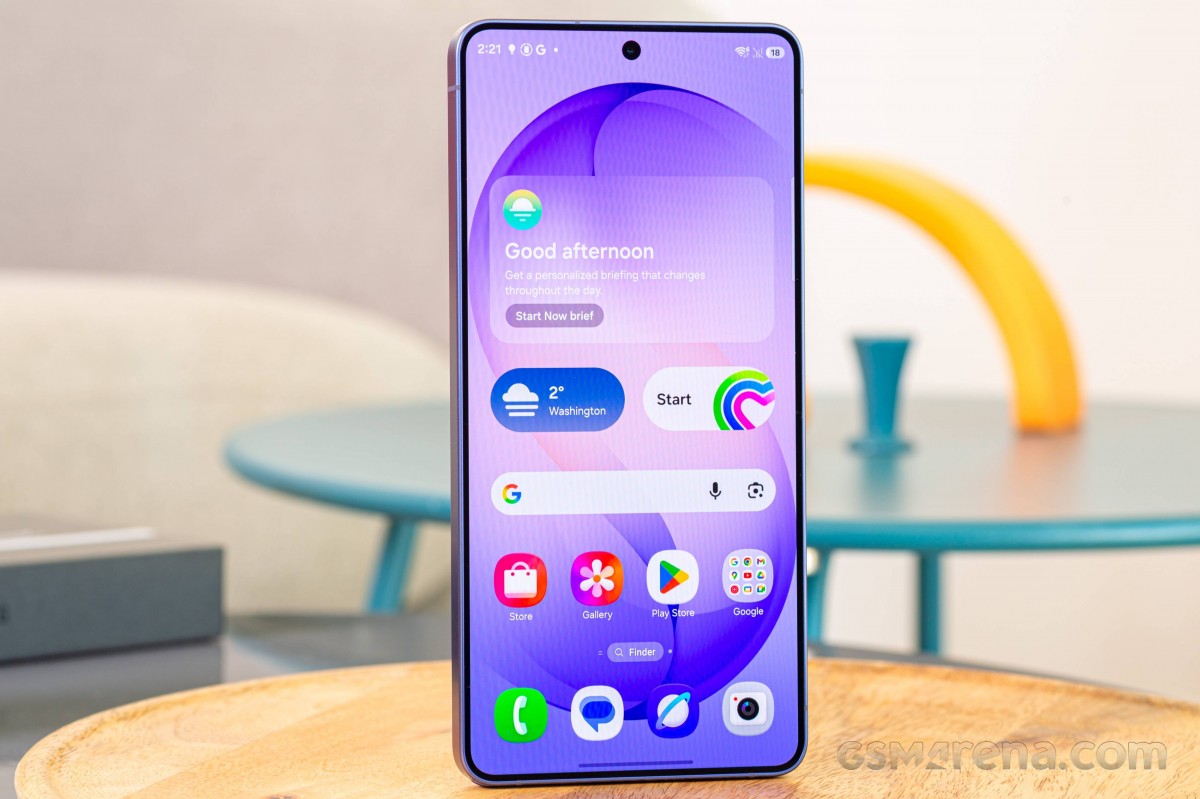
It’s time to welcome one of the most important smartphone releases of 2026 – the Galaxy S26 Ultra, the latest iteration in Samsung’s flagship lineup.
Beyond the nominal chipset upgrade, this year, Samsung appears to be mostly leaning on new software features rather than major hardware changes.
The company seems unfazed by the advancements of its Chinese competitors, and its product strategy seems to disregard any market pressure to introduce radical innovations. And it might be for a good reason – the Galaxy S Ultra sales have remained steady in key markets over the past few years, so why would they pour more money into this than absolutely needed? Having the US flagship space shared only with Apple certainly has its advantages to the business, and they are making the most out of it.
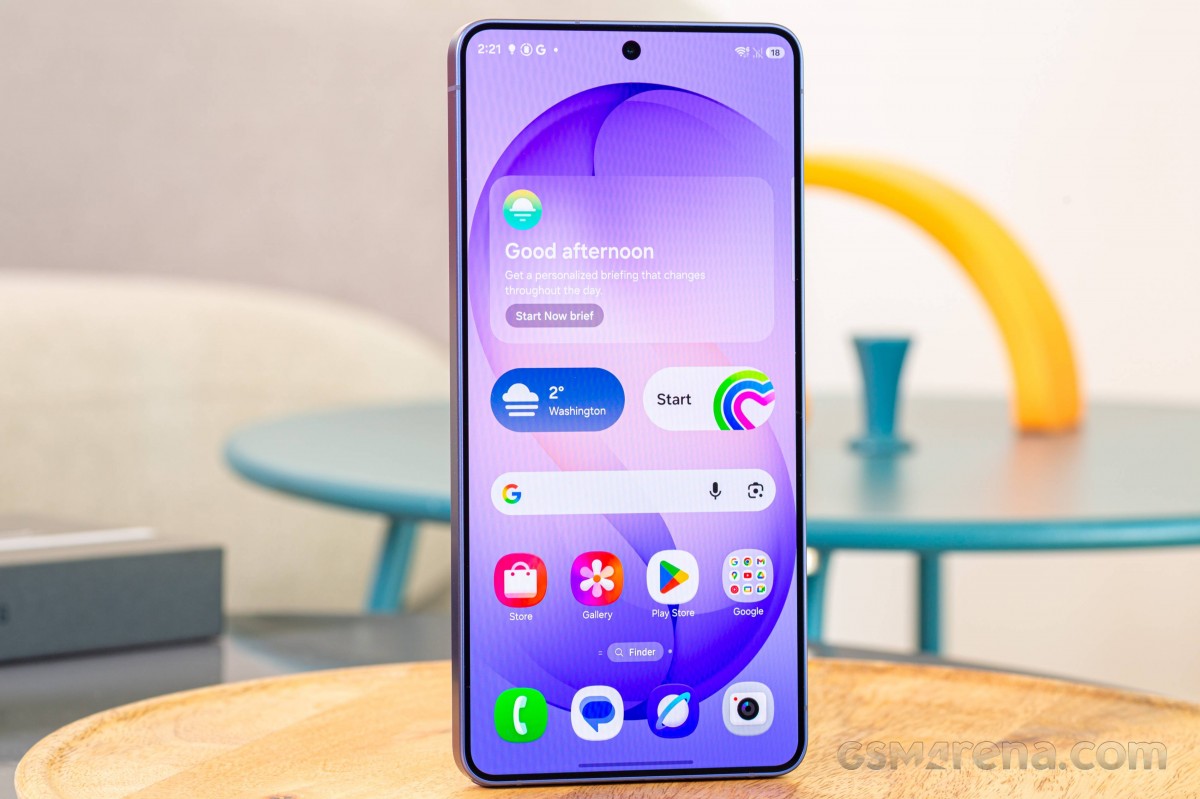
But where does this leave us as consumers? Well, at first glance, we have the impression that we have been served mostly the same dish for another year. It all feels a bit underwhelming, coming from the flagship smartphone series, which everyone looks up to.
For those of you who have been keeping track, the Galaxy S26 Ultra actually delivers more meaningful improvements than the Galaxy S25 Ultra did, but only barely.
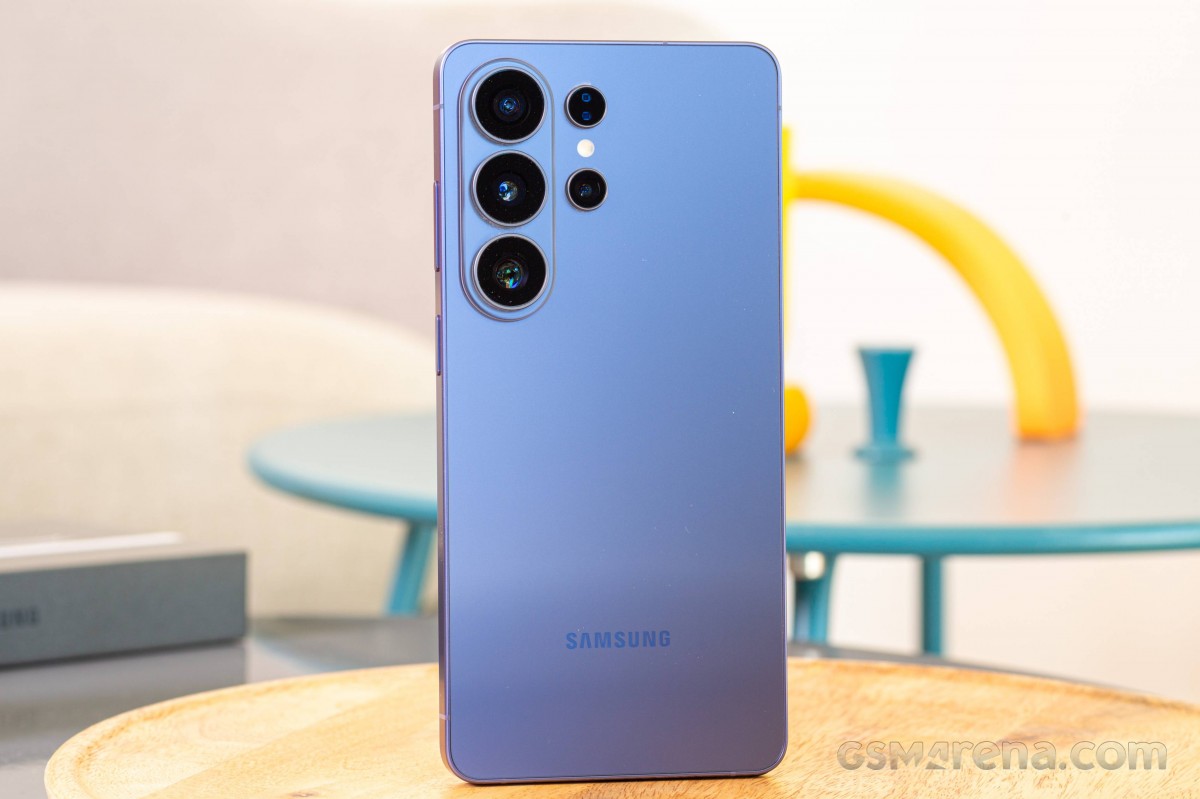
Samsung hasn’t changed the dimensions significantly, but perhaps due to its more rounded edges, the phone feels different and a bit easier to wield as soon as you pick it up.
The introduction of the Privacy Display this year caught everyone offguard and highlighted the company’s leadership in display tech.
For yet another year, the S26 Ultra is powered by a higher-clocked “for Galaxy” version of Qualcomm’s latest Snapdragon chip – the Snapdragon 8 Elite Gen 5.
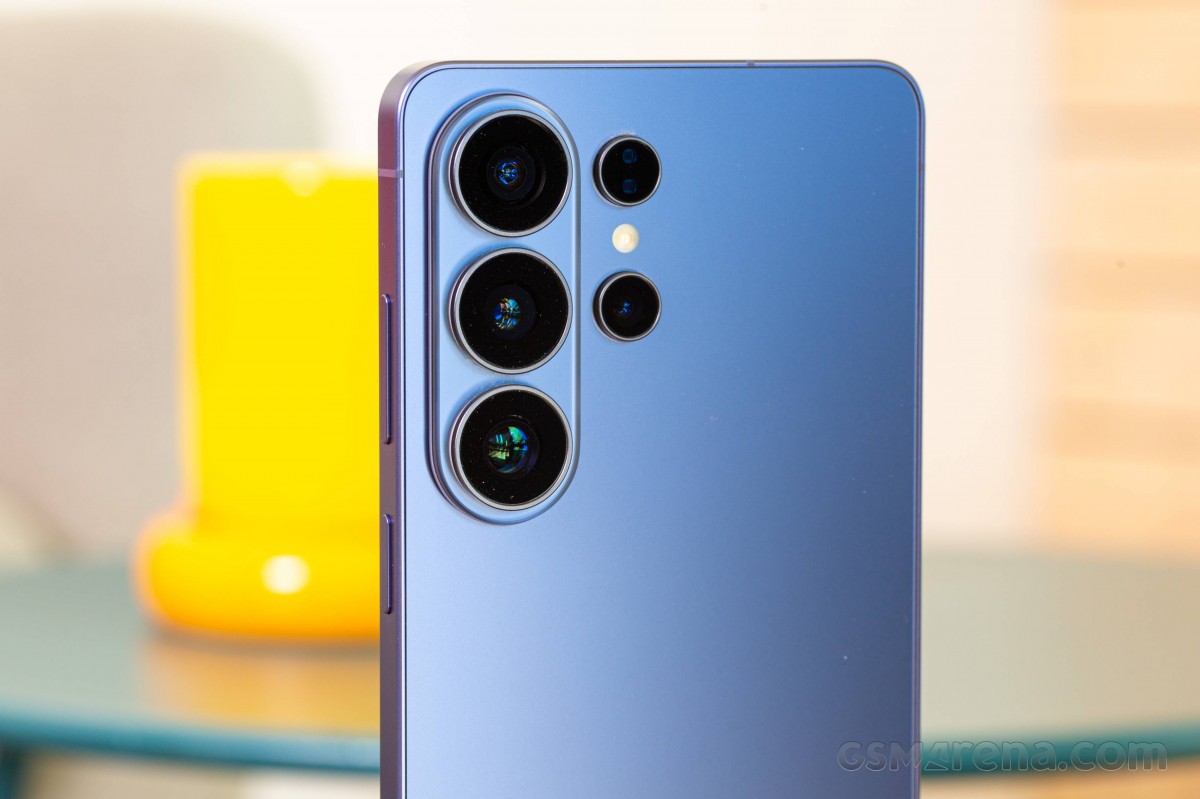
You also get small updates in the camera department, like new processing, and brighter apertures on the main and 5x telephoto cameras – two changes which should result in improved low-light performance.
As usual, Samsung is also at the forefront of the mobile AI features, updating again its Galaxy AI, possibly aiming to offset the modest hardware updates with a richer software experience.
Finally, the Galaxy S26 Ultra introduces faster charging with the new Super Fast Charging 3.0 standard rated at up to 60W. Wireless charging has also been upgraded and now supports up to 25W.
Samsung Galaxy S26 Ultra specs at a glance:
- Body: 163.6×78.1×7.9mm, 214g; Glass front (Corning Gorilla Armor 2), glass back (Gorilla Glass Victus 2), aluminum frame; IP68 dust-tight and water-resistant (immersible up to 1.5m for 30 min), Stylus, Armor aluminum 2 frame.
- Display: 6.90″ Dynamic LTPO AMOLED 2X, 120Hz, HDR10+, 2600 nits (peak), 1440x3120px resolution, 19.5:9 aspect ratio, 500ppi; DX anti-reflective coating, Privacy Display.
- Chipset: Qualcomm SM8850-1-AD Snapdragon 8 Elite Gen 5 (3 nm): Octa-core (2×4.74 GHz Oryon V3 Phoenix L + 6×3.62 GHz Oryon V3 Phoenix M); Adreno 840.
- Memory: 256GB 12GB RAM, 512GB 12GB RAM, 1TB 16GB RAM; UFS 4.X.
- OS/Software: Android 16, up to 7 major Android upgrades, One UI 8.5.
- Rear camera: Wide (main): 200 MP, f/1.4, 23mm, 1/1.3″, 0.6µm, multi-directional PDAF, OIS; Telephoto: 10 MP, f/2.4, 67mm, 1/3.94″, 1.0µm, PDAF, OIS, 3x optical zoom; Telephoto: 50 MP, f/2.9, 111mm, 1/2.52″, 0.7µm, PDAF, OIS, 5x optical zoom; Ultra wide angle: 50 MP, f/1.9, 120˚, 1/2.5″, 0.7µm, dual pixel PDAF, Super Steady video.
- Front camera: 12 MP, f/2.2, 26mm (wide), 1/3.2″, 1.12µm, dual pixel PDAF.
- Video capture: Rear camera: 8K@24/30fps, 4K@30/60/120fps, 1080p@30/60/120/240fps, 10-bit HDR, HDR10+, stereo sound rec., gyro-EIS; Front camera: 4K@30/60fps, 1080p@30fps.
- Battery: 5000mAh; 60W wired, PD3.0, 75% in 30 min, 25W wireless (Qi2.2), 4.5W reverse wireless.
- Connectivity: 5G; eSIM; Wi-Fi 7; BT 6.0; NFC.
- Misc: Fingerprint reader (under display, ultrasonic); stereo speakers; Samsung DeX, Samsung Wireless DeX (desktop experience support), Ultra Wideband (UWB) support.
On the flip side, the 3x camera now uses a smaller sensor, and the 5x camera now has a much longer minimum focus distance due to the move from a periscope lens to a regular one.
Battery capacity hasn’t changed in years, and the phone still doesn’t have the magnets needed for the Qi2 charging built in.
The ingress protection is still rated at IP68, while Chinese competitors are already offering IP69 and IP69K.
And the phone still uses an 8-bit panel with FRC, and there’s no high-frequency PWM dimming to speak of either – two persistent omissions, which are quite unexpplainable, given Samsung’s display expertise.
All these details may sound a bit nerdy, but they highlight a broader point – Samsung doesn’t appear particularly eager to push major advancements with this device despite the S Ultra being positioned as its ultimate smartphone. That inevitably creates a gap between fan expectations and reality. Whether that becomes an issue is something only the market can decide. In the meantime, let’s check out how the S26 Ultra performs in our tests and see if it may be hiding some cards up its sleeves that can turn this semi-negative sentiment around.
Unboxing the Samsung Galaxy S26 Ultra
The Galaxy S26 Ultra comes in a modest retail package, containing only the quick start guides and a USB-C to USB-C cable for charging and data transfer.
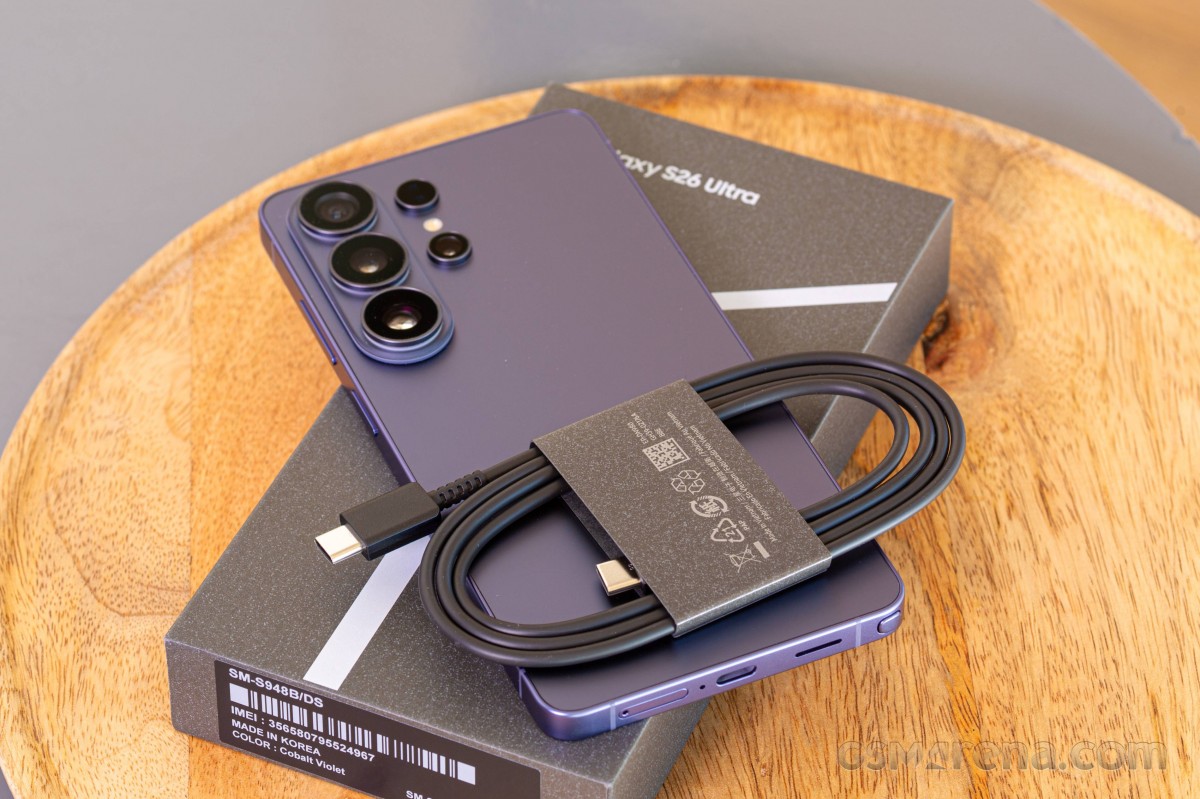
If you want the fastest charging speed possible, you’d need a Power Delivery charger that’s rated at a minimum of 60W with support for the PPS profile. Samsung will happily sell you one at a reasonable price, but you can go for a third-party charger as well.