
Introduction and specs
It’s time for the new Samsung Galaxy S26 series, just a few days ahead of the MWC 2026. And after a year full of leaks and rumors, we see the Galaxy S26+ return for another round, with Samsung seemingly dropping the Galaxy S26 Edge plans. At least for now.
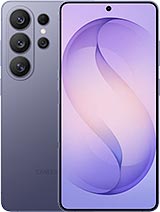
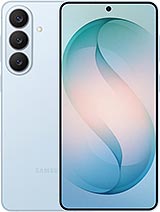
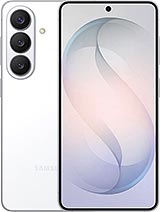
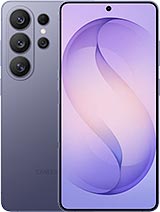
Samsung Galaxy S26 Ultra • Samsung Galaxy S26+ • Samsung Galaxy S26

The Ultra gets the most attention once again, offering a few upgrades here and there, but it’s clear that Samsung’s efforts have once again gone toward building a more versatile and feature-rich AI ecosystem.

That means, don’t expect any groundbreaking hardware upgrades. Samsung didn’t change the recipe this year; it just tried to improve it through some software and AI trickery. We are talking improvements in how we interact with Galaxy AI, performance and even camera optimizations.
Starting with the Galaxy S26 Ultra, aside from the “Snapdragon 8 Elite Gen 5 for Galaxy”, there aren’t any other major hardware upgrades. The “for Galaxy” denotes higher CPU and GPU clock speeds. Qualcomm and Samsung have once again collaborated on an improved version of the standard Snapdragon 8 Elite Gen 5 chipset, which remains a Samsung-exclusive.
Other notable changes to the S26 Ultra include a slimmer and lighter body, faster wired charging and wider apertures on the main and 5x telephoto cameras, allowing more light for better low-light performance.
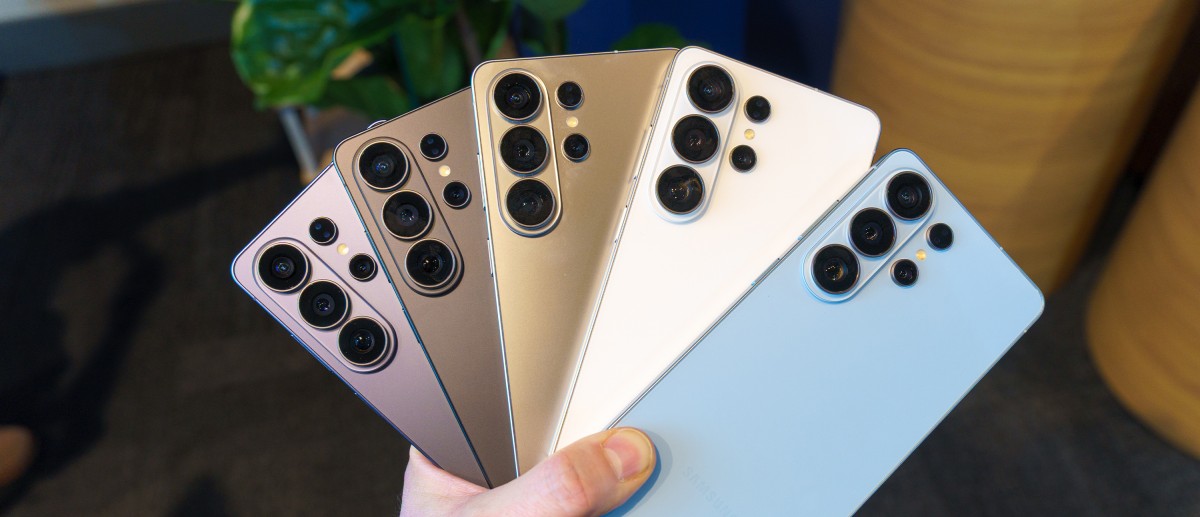
Samsung Galaxy S26 Ultra

The Galaxy S26 and S26 Plus remain largely the same as last year, with some subtle changes to the vanilla S26 that could easily go unnoticed. Interestingly enough, Samsung didn’t go all-in on Snapdragon this year as the two models ship with Samsung’s new top-of-the-line Exynos 2600 in markets outside of North America, China and Japan.
The Exynos is a brand new state-of-the-art chip manufactured at 2 nanometer node with a focus on speeding up AI tasks and their efficiency.
It uses the latest Arm CPU cores, and instead of combining a big, middle, and little core cluster, it upgrades the little cores to middle cores for high-efficiency tasks. The CPU promises up to 39% better CPU computing performance. The NPU here should have up to 113% higher AI performance, while reducing power consumption and latency.
The Xclipse 960 GPU is said to have twice as high computing performance and up to 50% better Ray Tracing performance.
The AI-based Visual Perception System (VPS) allows the ISP to recognize a variety of detailed elements — even blinking — within images and videos and process them in real time, while reducing power consumption by up to 50% compared to its predecessor. And the Deep learning Video Noise Reduction (DVNR), which enhances video quality in low-light conditions at low power.
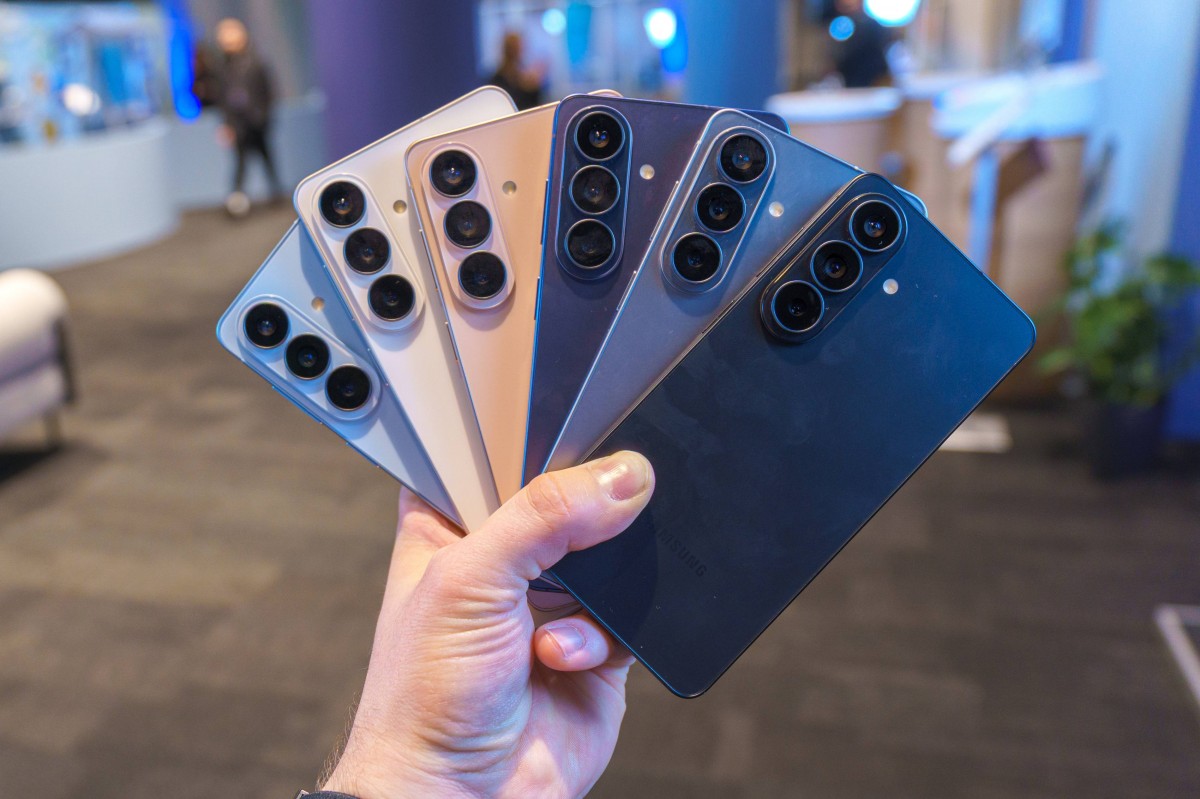
Samsung Galaxy S26 and S26+

Silicon aside, the entry-level Galaxy S26 gets a 6.3-inch display this year, up from 6.2, a notch bigger battery, which is now 4,300 mAh, but more importantly, Samsung is finally upgrading the base storage to 256GB, however, it costs more than the 256GB version of the Galaxy S25.
Last but not least, Samsung is streamlining its Galaxy S series by unifying the design and colors of all three devices. Now, even the Galaxy S26 looks like a mini-sized S26 Ultra, but this has also meant the S26 Ultra has changed a bit too, getting more rounded corners than last year.