








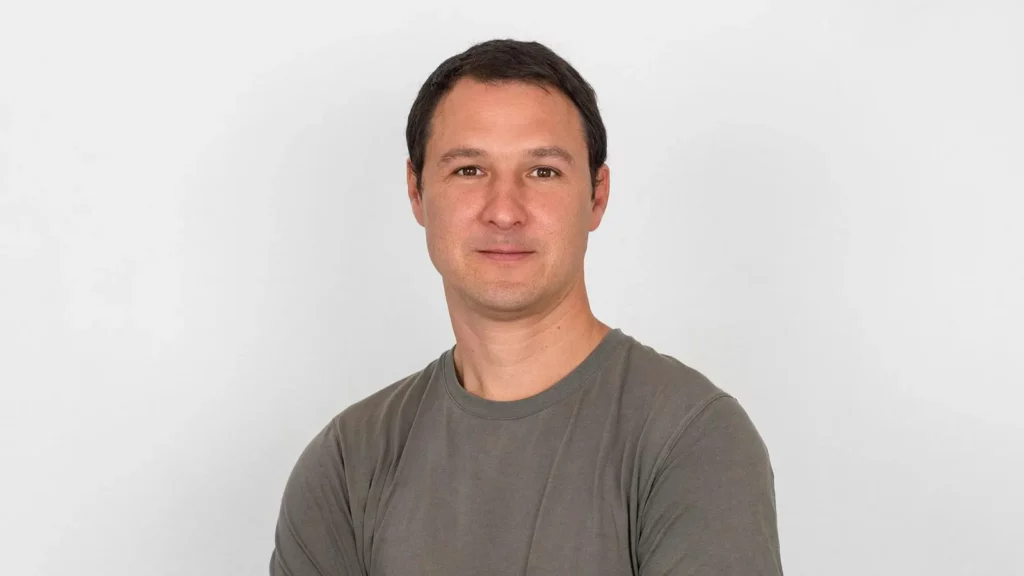
In the evolving world of digital finance, few projects have maintained both relevance and real-world utility like XRP. Designed with a clear purpose—to enable fast, cost-efficient cross-border payments—XRP stands apart from many cryptocurrencies that primarily function as stores of value or speculative assets. At the heart of this innovation lies a group of visionary founders whose combined expertise shaped what is today one of the most influential blockchain ecosystems.
The Origins of XRP: A Better Alternative to Bitcoin
XRP was created in 2012 by a team of forward-thinking engineers and entrepreneurs: Jed McCaleb, Arthur Britto, and David Schwartz. Their goal was clear—to build a blockchain infrastructure that addressed the limitations of Bitcoin, particularly its slower transaction speeds and energy-intensive mining process.
Unlike Bitcoin, which relies on proof-of-work, the XRP Ledger (XRPL) was designed to be fast, scalable, and energy-efficient. Transactions on XRPL settle in seconds, making it an ideal solution for global financial systems where speed and cost efficiency are critical.
Shortly after the initial development, Chris Larsen joined the project. Together, the team co-founded OpenCoin, which later evolved into Ripple—a company focused on bringing institutional adoption to blockchain-powered payments.
Meet the Founders: The Minds Behind XRP
Jed McCaleb: The Visionary Architect
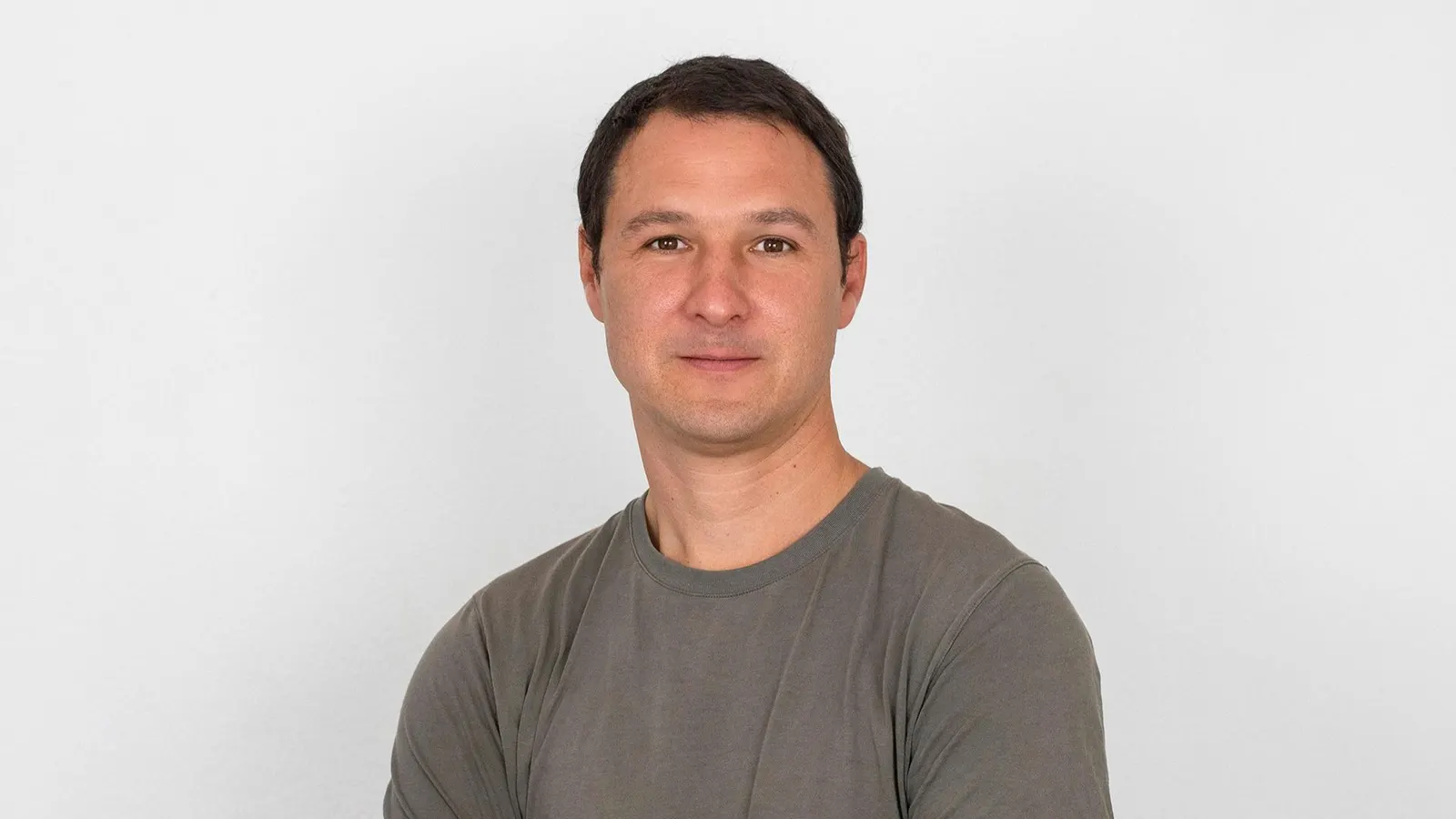
Jed McCaleb is widely regarded as one of the earliest pioneers in the cryptocurrency space. Before XRP, he founded Mt. Gox, one of the first Bitcoin exchanges, and later went on to establish Stellar (XLM).
His vision for XRP was rooted in creating a decentralised payment system that could outperform traditional financial rails. McCaleb played a crucial role in conceptualising a network that could handle real-time settlements without relying on energy-heavy mining.
Chris Larsen: The Strategic Leader
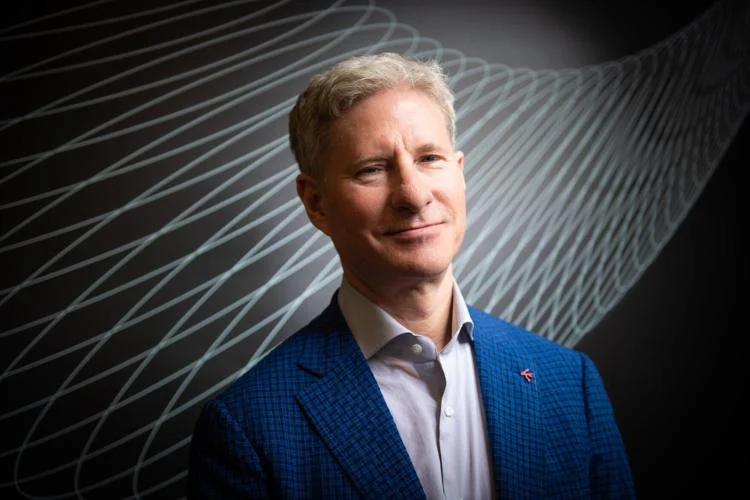
Chris Larsen brought business acumen and strategic direction to the project. As a seasoned entrepreneur, he helped position XRP beyond just a cryptocurrency—focusing on institutional adoption and partnerships with financial institutions.
Under his leadership, Ripple built strong relationships with banks and payment providers, driving real-world use cases that set XRP apart from many other digital assets.
Arthur Britto: The Silent Architect
Arthur Britto remains one of the most private figures in crypto, yet his contributions are foundational. He was instrumental in designing the XRP Ledger’s architecture, ensuring it could deliver high performance, security, and scalability.
David Schwartz: The Technical Genius
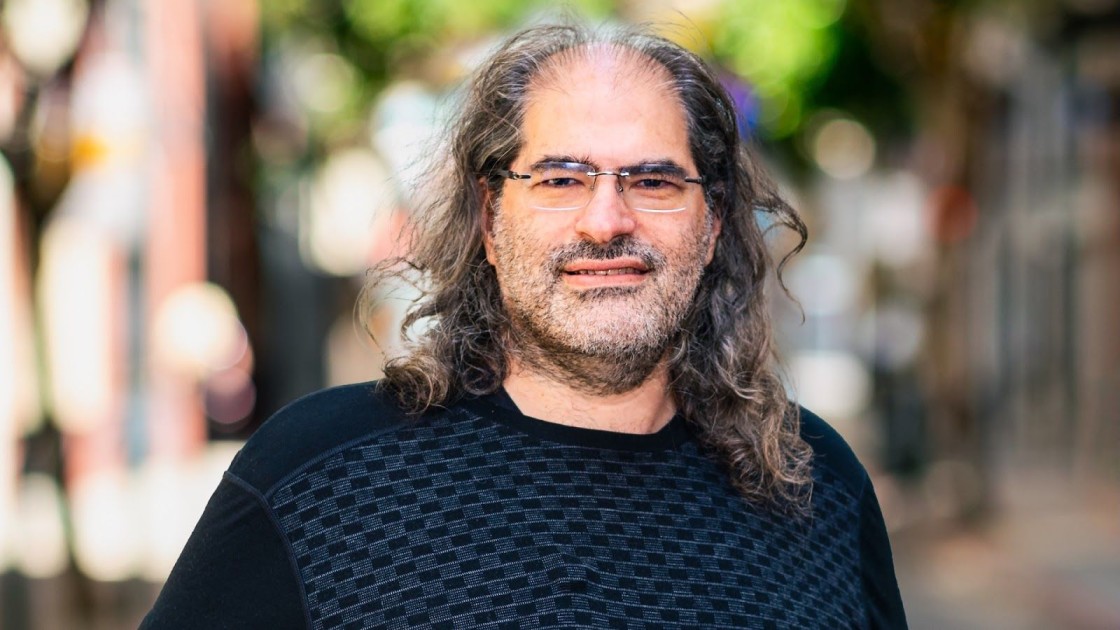
David Schwartz, often referred to as the “architect of XRPL,” served as the chief cryptographer. His work focused on building a robust consensus mechanism that eliminated the need for mining while maintaining decentralisation and security.
The Evolution: From OpenCoin to Ripple
The journey of XRP is deeply tied to the evolution of Ripple as a company. In 2012, the founding team launched the XRP Ledger and allocated a significant portion of XRP to support ecosystem development through OpenCoin.
By 2013, the company rebranded to Ripple Labs, signalling a stronger focus on enterprise solutions and global payments infrastructure.
However, like many groundbreaking ventures, differences in vision emerged. In 2014, Jed McCaleb departed from Ripple and later founded Stellar, another blockchain network focused on cross-border payments. Despite this split, XRP continued to grow, backed by Ripple’s institutional strategy.
XRP vs Ripple: Understanding the Difference
A common misconception in the crypto space is equating XRP with Ripple. In reality, they serve distinct roles:
- XRP is a decentralised, open-source digital asset that operates on the XRP Ledger
- Ripple is a private company that builds financial solutions leveraging XRP for liquidity and settlement
This distinction is critical for understanding XRP’s position in the market—it is not controlled by Ripple, but rather used as a tool within Ripple’s broader ecosystem.
Why XRP Still Matters Today
More than a decade after its creation, XRP remains highly relevant in the global financial landscape. Its core advantages continue to drive adoption:
- Near-instant transaction settlement (3–5 seconds)
- Extremely low transaction costs
- Energy-efficient consensus mechanism
- Strong institutional use cases in cross-border payments
As global finance increasingly moves toward digital infrastructure, XRP’s original vision—to enable seamless, borderless transactions—has become more important than ever.
Final Thoughts
The story of XRP is not just about technology—it is about vision, collaboration, and the ambition to redefine how money moves across the world. From the technical brilliance of David Schwartz and Arthur Britto to the entrepreneurial drive of Jed McCaleb and Chris Larsen, XRP was built on a foundation that continues to influence the future of finance.
For platforms like Unocoin and the broader crypto ecosystem, XRP represents more than just an asset—it symbolises the transition from legacy financial systems to a faster, more inclusive digital economy.
Please find the list of authentic Unocoin accounts for all your queries below:
Disclaimer: Crypto products are unregulated as of this date in India. They could be highly volatile. At Unocoin, we understand that there is a need to protect consumer interests, as this form of trading and investment has risks that consumers may not be aware of. To ensure that consumers who deal in crypto products are not misled, they are advised to DYOR (Do Your Own Research).