
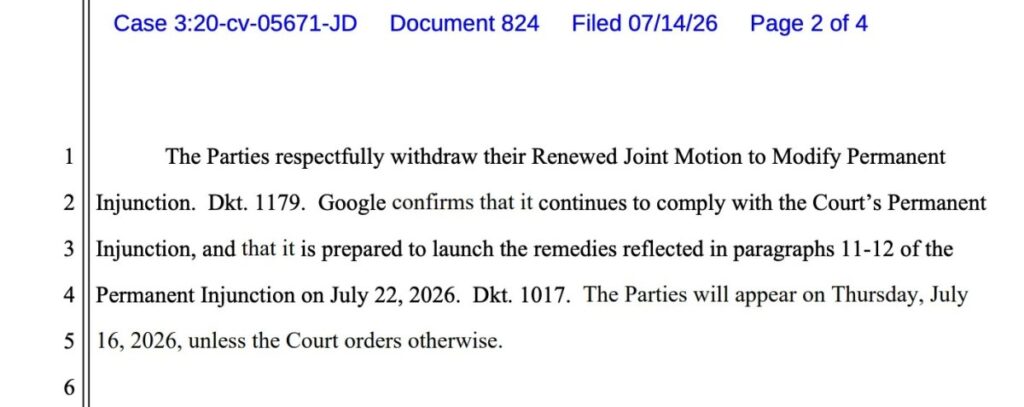
Running an app store is a profitable business – one that platform makers are keen to protect. That used to be the case with Google too, but the conclusion of a 6-year legal battle with Epic Games has come to a surprise ending that will make third-party app stores that much more accessible.
The story started in 2020 when Epic sued Google, alleging that Google held a monopoly in the Android app distribution market and in-app billing services. A jury sided with Epic, but this then went through an appeal process until, eventually, the two companies reached a settlement agreement in 2025.
According to the settlement, Android would have been opened up to installing third-party app stores – but only ones approved by Google as part of its “Registered App Stores” program. And as an additional hurdle, these third-party app stores would have had to be sideloaded by the user.
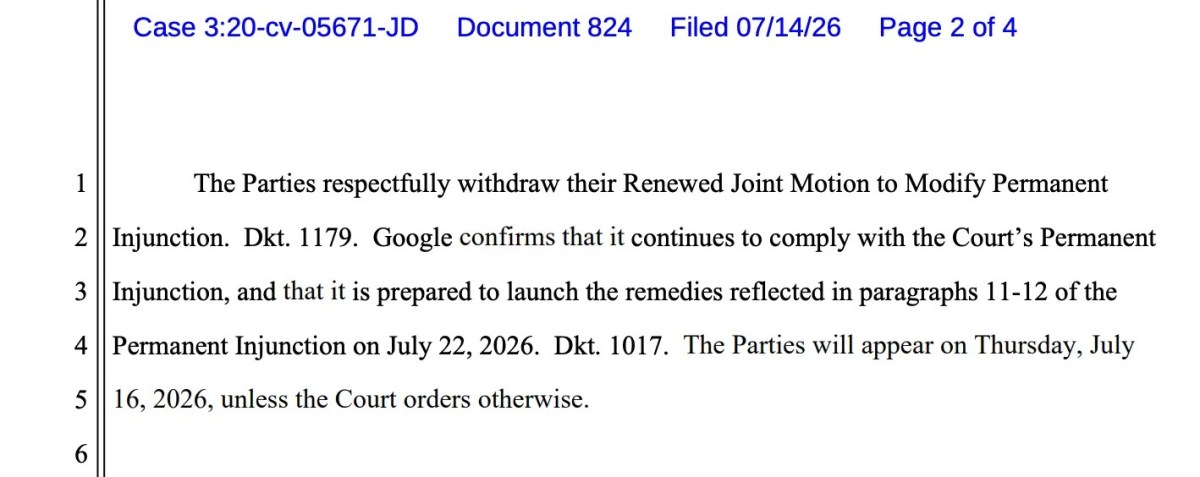

Now, The Verge reports that Google and Epic have ripped up this settlement and the search giant will just open the doors – starting next week (July 22), third-party app stores will be installable from the Google Play Store for users in the US.
There will still be a process to get a third-party app store accepted into the Google Play Store (more details here). That said, many users are not comfortable with sideloading, so this is a major win for the likes of Epic Games (and we imagine that other big publishers will join in).
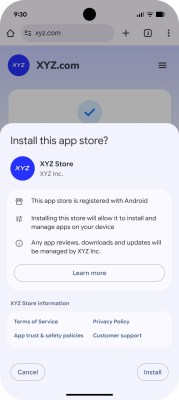
The process of installing a Registered App Store

Again, this is for the US market. For the global market, Google is moving forward with its Registered App Stores plan. This is still a good thing as Google will lower its service fees – in-app purchase fees will be reduced to 20% and recurring subscription fees to 10%.
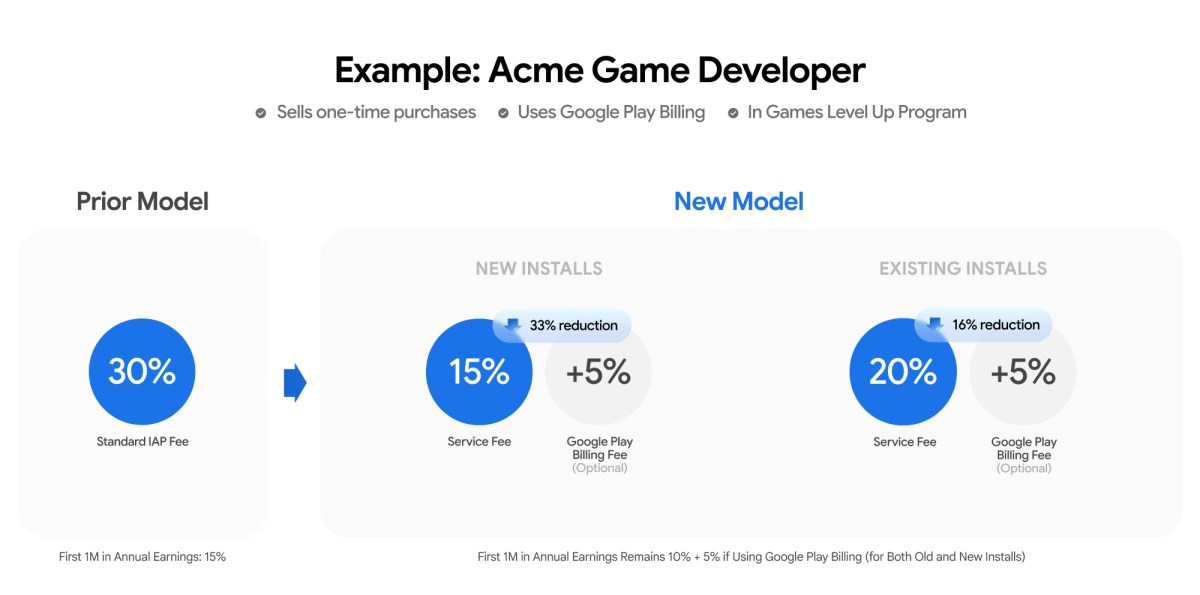
Google Play’s revised fee structure

Also, app developers will be free to use third-party billing for their apps and games – but if they choose Google Play’s billing system, they will pay lower fees than before. Devs in the European Economic Area, the UK and the US are looking at 5% fees. More details here. Note that the changes are already in effect in some regions, but the global deadline is the end of September 2027.