







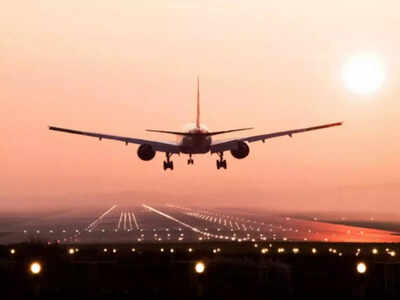
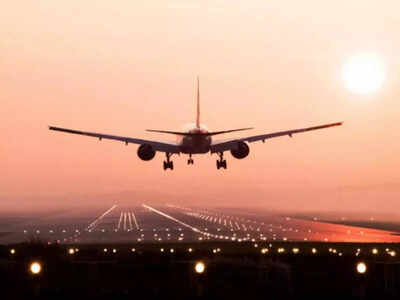
NEW DELHI: Air India and Air India Express will operate a total of 58 scheduled and non-scheduled flights to and from West Asia on Wednesday, as the ministry of civil aviation said it was closely monitoring the situation in West Asia and its impact on flights between India and the region.Amid the escalating conflict in the region involving the US, Israel and Iran, airlines are operating services in a calibrated manner as there are airspace restrictions and closures.
Air India said it will operate eight flights between Delhi and Mumbai to Jeddah, and 14 flights to and from Muscat on Air India Express. Additional non-scheduled flights to the UAE will operate depending on slot availability and regulatory permissions, the airline said.Passengers have been advised to stay in touch with their respective airlines for the latest updates regarding flight schedules and travel arrangements.Indigo will also begin its Mumbai–Riyadh–Mumbai services on Thursday. SpiceJet has secured approvals for alternate airports, while Akasa Air has been advised to start its Mumbai–Riyadh–Mumbai flights according to operational conditions.The Directorate General of Civil Aviation (DGCA) has coordinated additional arrival and departure slots and approved Muscat International Airport as an alternate route for flights to and from Dubai, Abu Dhabi, Sharjah, Ras Al Khaimah, Al Ain, Fujairah, Jeddah, and Medina.Air India and Air India Express also said they will start levying a fuel surcharge of Rs 399 on each domestic flight ticket from March 12, as airlines face rising operating costs following a sharp increase in aviation turbine fuel (ATF) prices amid tensions in Middle East.The airline group said the surcharge will be implemented in phases across domestic and international routes due to the steep rise in jet fuel prices linked to the geopolitical situation in the Gulf region.Ministry of civil aviation has meanwhile assured that ticket prices were being monitored to prevent any undue surge during this period of regional tensions.Following military strikes and retaliatory actions between Iran and its adversaries, several countries temporarily closed or restricted their airspace. This forced airlines worldwide to cancel flights, reroute aircraft, or suspend services. Some planes were diverted mid‑flight, while others were held on the ground before departure. The disruptions led to thousands of flight cancellations and delays, leaving travellers stranded at major airports worldwide.