








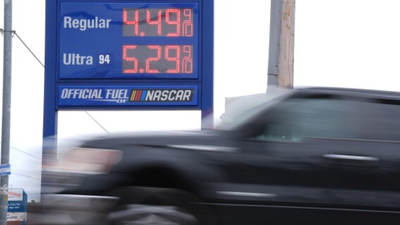
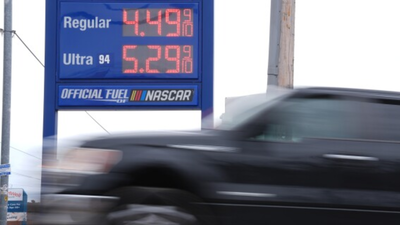
US gasoline prices have crossed $4 per gallon for the first time since 2022, as the ongoing Iran war continues to disrupt global oil supplies and push up fuel costs.According to the American Automobile Association (AAA), the national average price for regular gasoline stood at $4.02 per gallon on Tuesday — more than $1 higher than levels seen before the conflict began on February 28.The last time US consumers faced such prices was nearly four years ago, in the aftermath of Russia’s invasion of Ukraine.
Fuel prices vary across states depending on supply dynamics and local taxes, with some regions already witnessing higher-than-average rates.The surge has been driven by sharp increases in crude oil prices–the primary input for gasoline– amid supply chain disruptions and production cuts across the Middle East following the escalation of hostilities involving the US, Israel and Iran.The price shock is global in nature. In Paris, for instance, gasoline is priced at 2.34 euros per litre ($2.68), translating to about $10.27 per gallon.Rising fuel costs add to inflation pressuresHigher fuel prices are adding to cost-of-living pressures for households and raising operating costs for businesses.As spending on essentials such as fuel increases, consumers may be forced to cut back on discretionary purchases. Analysts warn that the ripple effects could extend to groceries and everyday goods as transportation costs rise.Logistics and delivery services are already feeling the impact. The United Postal Service is seeking a temporary 8 per cent surcharge on services including Priority Mail.Diesel prices — critical for freight movement– have also surged, with the national average reaching $5.45 per gallon, up from about $3.76 before the war, according to AAA.If the conflict persists, prices could climb further as disruptions continue in the Strait of Hormuz, through which roughly one-fifth of global oil supply typically passes.With tanker movements constrained and energy infrastructure targeted in the conflict, supply concerns have intensified.Policy steps to ease pressureIn response, the International Energy Agency has pledged to release 400 million barrels of oil from emergency reserves of member nations, including the US.The Trump administration has also eased sanctions to allow additional oil supply from Venezuela and temporarily from Russia. It has further waived maritime shipping requirements under the Jones Act for 60 days to improve logistics.However, it remains uncertain how quickly these measures will translate into relief at the pump, as refineries typically process crude purchased earlier at higher prices.Seasonal factors are also contributing to the rise. Increased travel demand and the shift to costlier summer-blend fuel are adding upward pressure on prices.Global market dynamics keep US exposedDespite being a net oil exporter, the US remains sensitive to global price movements.Oil is traded globally, and while the US produces largely light, sweet crude, many refineries are configured to process heavier, sour crude, necessitating imports.Geopolitical shocks have historically driven sharp increases in fuel prices. In June 2022, US gasoline prices had surged above $5 per gallon following the Ukraine war.While prices later moderated, they had remained below $4 per gallon since mid-August 2022 until the latest spike, according to AAA data.