








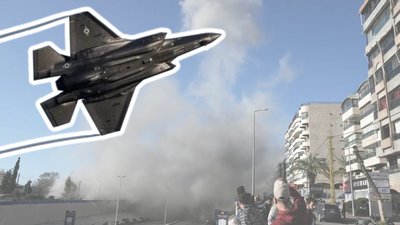
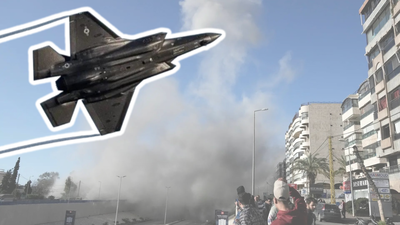
Iranian state-linked media on Friday claimed that a US fighter pilot had been downed and possibly captured inside the country, as conflicting reports emerged amid an intensifying regional conflict. There has been no immediate confirmation from Washington, with the US Central Command, the Pentagon and the White House yet to respond.According to Iranian outlets, the pilot ejected after a US stealth jet was struck over central Iran. Reports varied on the pilot’s fate, with some suggesting survival and others indicating the impact made survival unlikely. A local Iranian television channel went further, urging civilians to capture the “enemy pilot alive”, offering what it described as a “valuable reward”.Iran’s semi-official Tasnim News Agency reported that US forces had launched a search operation involving Black Hawk helicopters and a C-130 Hercules aircraft. Sources cited in the report claimed the aircraft were flying at low altitude over western Iran in an attempt to locate the missing pilot, but had so far failed.The incident is linked to broader Iranian claims that its air defences had shot down a second US F-35 Lightning II. Iranian military statements described a “massive explosion” on impact, casting doubt on whether the pilot could have ejected.However, earlier US reports acknowledged only that an F-35 had made an emergency landing following a missile strike, with the pilot surviving. The lack of independent verification has left the latest claims unconfirmed.The F-35, a fifth-generation stealth aircraft used by the US and its allies, is considered one of the most advanced fighter jets in operation. Any confirmed loss — particularly with a pilot captured — would mark a significant escalation.The claims come as the conflict entered its fifth week, with Iran launching strikes across the Gulf, including attacks on energy infrastructure in Kuwait and disruption near the Strait of Hormuz — a critical global shipping route.At the same time, US and Israeli strikes continued inside Iran, with reported attacks around Tehran and Isfahan. The escalating confrontation has pushed oil prices sharply higher and raised fears of wider economic fallout.Amid the violence, former Iranian foreign minister Mohammad Javad Zarif called for an end to hostilities, warning that prolonged conflict would lead to further loss of life without breaking the current stalemate.