










Many parents share one thing in common: “My child studies for hours, memorises everything, and then forgets it all at exam time.” This is not due to a lack of effort or intellect but rather a fault in the learning methodology. In an interview with the Times of India, Atishay Jain, Managing Partner of Koncept Global Books, explained, “Rote memorisation might allow children to temporarily remember something but it seldom provides long-term understanding or application.”
Conceptual understanding enhances long-term retention in education
Jain said, “Conceptual learning presents a powerful alternative. Rather than asking children to commit facts to memory, it invites them to make sense of ideas, relationships and logic. When a child knows why the math formula works, how a process in science unfolds or what led to a historical event, learning is meaningful. The brain naturally retains meaningful information far longer than it holds onto isolated facts.“According to a recent 2026 study published in the journal Nature Reviews Psychology, “Learning that emphasises meaning, relationships and conceptual structure produces more durable memory traces than rote repetition of isolated facts.” This scientifically validates the claim that students forget memorised content but retain concept-based learning longer.
Rote memorisation vs meaningful learning: Cognitive and educational outcomes
Research evidences that conceptual learning establishes deeper cognitive processes. It forms neural pathways by connecting new knowledge to prior understanding. Not only is memory retained but problem-solving, critical thinking and creativity are enhanced.
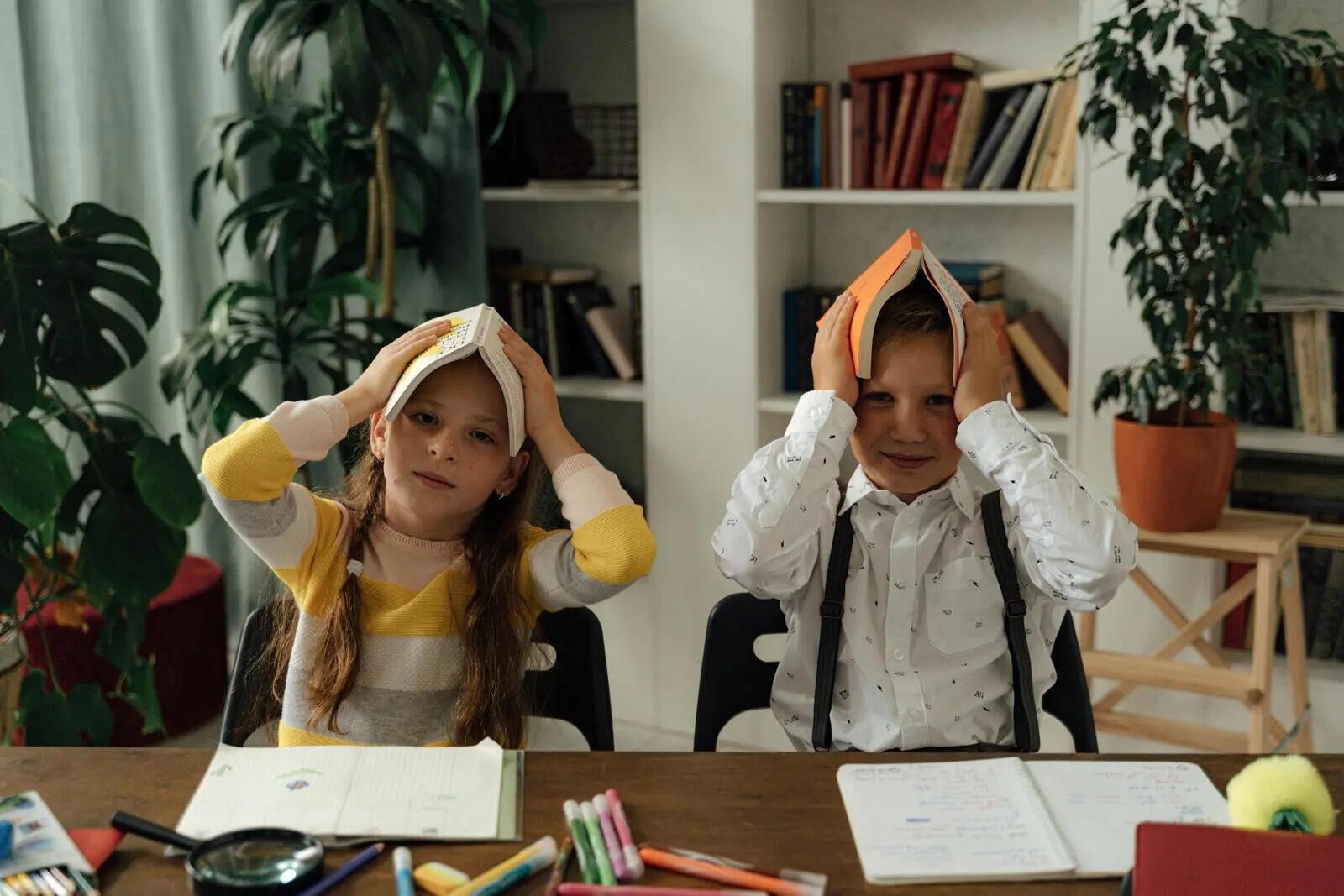
Conceptual Learning vs Rote Memorisation: Boost Long-Term Retention and Academic Success
A 2025 Educational Psychology Review with latest influencing 2026 insights found, “Students engaged in conceptual learning demonstrate superior problem-solving ability, transfer of knowledge, and critical thinking compared to those relying primarily on memorisation.” This backs the argument that conceptual learning improves problem-solving, creativity and application across contexts.
How people learn
Confidence develops in children to become learners, not anxious memorisers. According to Jain, another key advantage is transferability. Memorised knowledge is rigid, it works only in familiar formats. Conceptual understanding is flexible. Jain shared, “A child who understands concepts can apply them across subjects and real-life situations. This becomes especially important in modern education systems, where the use of application-based questions and analytical thinking is being promoted.“Updated insights from National Academies of Sciences, used in 2026 education frameworks, establish, “Deep understanding occurs when learners connect new information to prior knowledge, enabling flexible application rather than rigid recall.” This strongly supports that neural connections and deeper cognition.
Learning tips by experts
Middle school is a unique phase where the brain enters a peak retention period, making it the ideal time to move from simply studying more to studying smarter. Kushal Raj Chakravorty, Founder and Managing Trustee at Lotus Petal Foundation, advised, “We suggest that students focus on three pillars: SMART goal setting, time management and foundational mastery. Enable this through a health-focused curriculum and life skill classes – that link good nutrition to memory power and teaches students to break down large tasks into manageable steps. By fostering these habits now, we help students build the discipline and confidence needed for a seamless high school transition, ensuring hard work leads to tangible progress.”

Is Your Child’s ‘Studying’ Actually Just Forgetting? Experts Slam Rote Memorisation
Jain suggested, “Parents and teachers can encourage conceptual learning by raising open-ended questions, encouraging the use of “why” and “how” discussions, relating examples to real life, and weighing understanding more than marks alone. One of the strongest ways concepts stick is to make children explain them in their own words.”Forgetting is not the norm any longer when children move beyond memorisation into true understanding. Experts and research asserts that conceptual learning builds life-long learners as it improves not only academic performance but lifelong thinking, questioning and retention.