







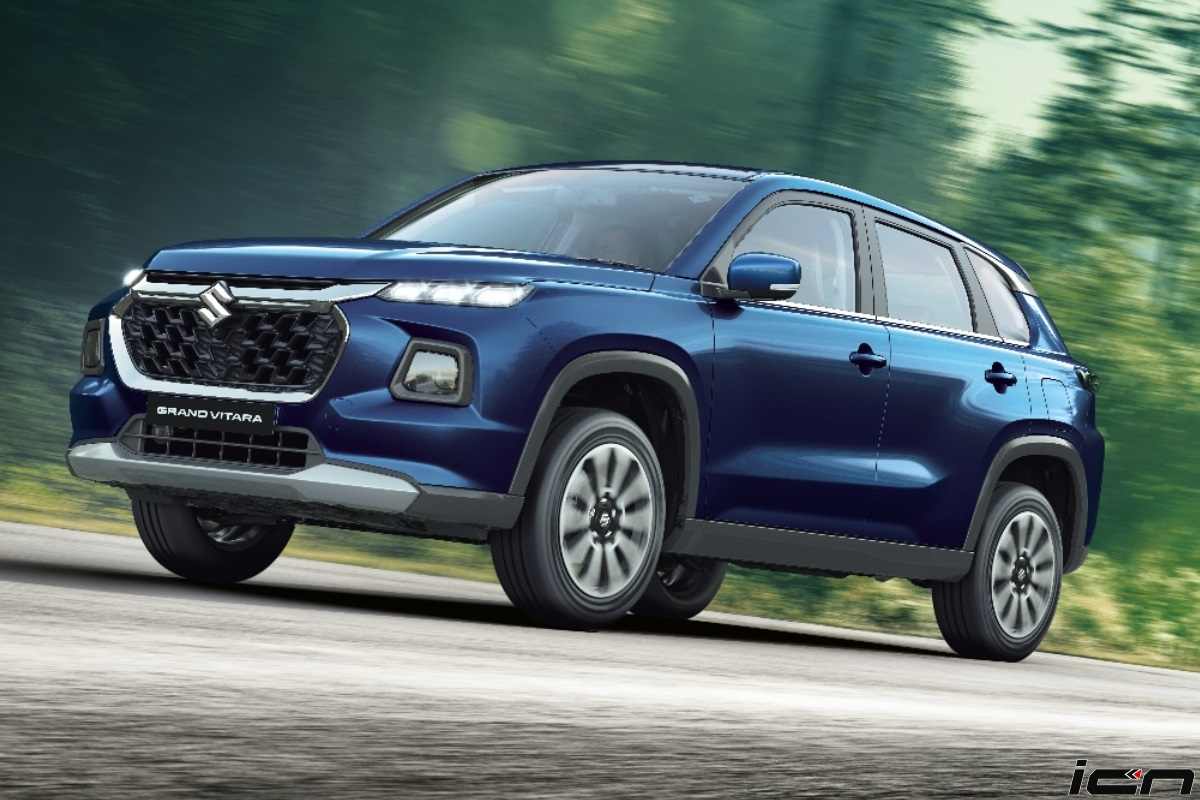
With an aim to strengthen their presence in the highly competitive midsize SUV segment, Maruti Suzuki and Hyundai will introduce two new models before the end of this year. Maruti Suzuki usually follows a 3-4 years midlife update cycle for its products, and the Grand Vitara has already completed four successful years, making it due for its first major facelift. While its official launch timeline is yet to be announced, the 2026 Maruti Grand Vitara facelift is likely to arrive around the Diwali season.
Hyundai Motor India, on the other hand, has confirmed that it will introduce two new SUV nameplates for this financial year. The lineup is likely to include the Hyundai Bayon-based SUV and the next-generation Hyundai Creta. In Hyundai’s Indian product portfolio, the new Bayon-based midsize SUV will sit between the Venue and Creta. It’s expected to hit roads during the 2026 Diwali festive season.
Here’s a quick look at the key details of these two upcoming midsize SUVs.
2026 Maruti Grand Vitara Facelift
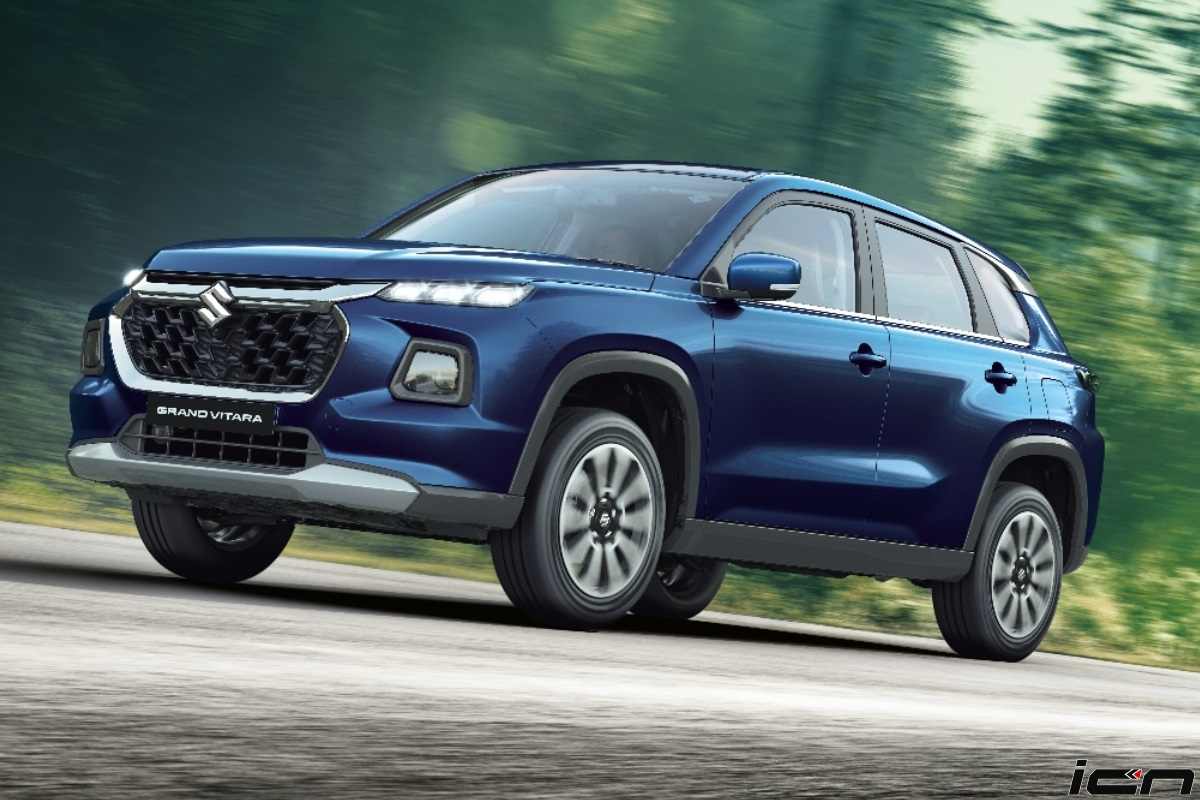
No official information on the updated Grand Vitara has been released yet. However, the facelifted version is expected to feature a slightly revised front grille, revised bumper, redesigned LED headlamps and DRLs and updated skid plate at the front fascia. Other key highlights might include newly-designed alloy wheels, updated LED taillamp signature, new rear bumper and skid plate.
Inside, the SUV could get a larger touchscreen infotainment system with updated SmartPlay software, new digital driver’s display, new seat upholstery and trims along with a bunch of new features.
No major mechanical changes are expected. The 2026 Maruti Grand Vitara is likely to feature the existing 1.5L smart hybrid petrol and strong hybrid powertrains.
Hyundai Bayon-Based SUV
Internally codenamed BC4i, the new Hyundai midsize SUV will be derived from the Europe-spec Bayon compact crossover. In terms of design and styling, the India-bound model is expected to look more upright and rugged than the Bayon sold in the European market. According to reports, the SUV could be offered with a 1.5L naturally aspirated petrol and a factory-fitted 1.5L CNG powertrain options.
While the interior details are still under wraps, the Hyundai Bayon-based SUV is expected to offer a large touchscreen, a fully digital instrument cluster, Hyundai BlueLink connected car tech, automatic climate control, wireless charger, rear AC vents, ventilated front seats, wireless charger, multiple airbags, Level 2 ADAS and more.