








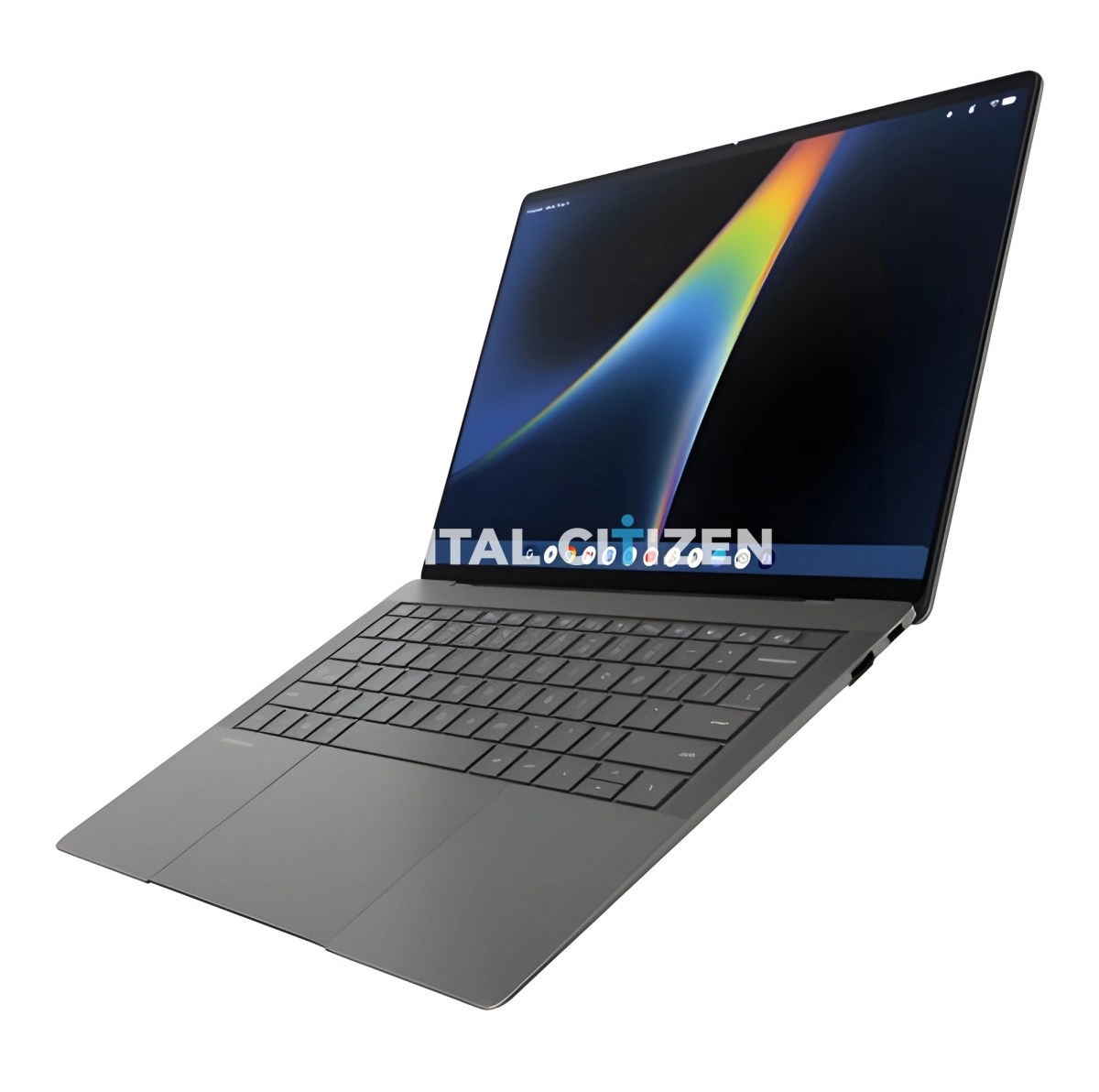
Asus has new laptops coming out in time for IFA next month, and we get to see one of them in quite a few alleged renders that appear to have likely been upscaled using AI and kind of messed up in the process. Frankly, at first glance, it kind of sounds like we shouldn’t care.
However, this might just be our first detailed look at what is one of the very first Googlebooks to come out. Yes, in case you haven’t been paying attention to the space, Google announced the Googlebook back in May. We can’t say for sure whether these are meant to replace or complement Chromebooks, but given the enormous success of the Chromebook project, especially in educational circles, we should definitely be paying attention.
Not that we’ve gotten anything more than a sneak peek at this point, but piecing available information together, Googlebooks are likely meant to run Google’s long-anticipated Aluminum OS (not that anybody calls it that anymore) – a custom Android-based OS meant specifically for desktop use that is “designed for Gemini Intelligence” and moves “from an operating system to an intelligence system”. AI hype train aside, it promises to combine the Android app ecosystem and a fully functioning Google Play Store, plus deep cross-integration with your Android phone with the Chrome browser and all of the Chrome OS features.


ASUS Googlebook
Anyway, circling back to the renders. Asus and Lenovo are indeed among the hardware partners working on Googlebooks. The list also includes others like Acer, Dell, and HP. We are likely to see these units as well as others get unveiled at IFA.
The two laptops look pretty premium, especially by Chromebook standards. Apparently, this particular Asus model is made of Ultra-Ceramic Light Alloy for the chassis, making it 34% lighter and 13% stronger than it was in the past. The ample selection of ports is certainly appreciated: A 3.5mm audio jack, two USB Type-C and two USB Type-A ports and a full-sized HDMI.
Google did mention that each Googlebook will have the “glowbar” as “a statement that is both functional and beautiful”. Many liken it to the Pixel Glow LEDs/HiLight apparently coming to the Pixel 11 series. We can definitely appreciate the parallel as a signature and instantly recognizable design element.
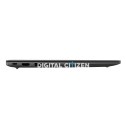
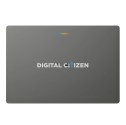
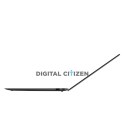
ASUS Googlebook
While we know even less detail about the Asus model, it looks very similar and does indeed also feature the “HiLight” as a prominent feature. Also, we can’t help but notice that it has the exact same generous port selection as the Asus, leading us to believe that Google might have enforced some requirements in that department as well.
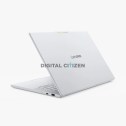
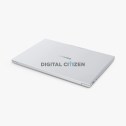
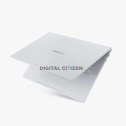
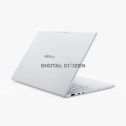
Lenovo Googlebook
Anyway, we are eager to see the Asus and Lenovo Googlebook and potentially others soon. Google has mentioned that these new devices will come in a variety of shapes and sizes, which makes things even more interesting.