







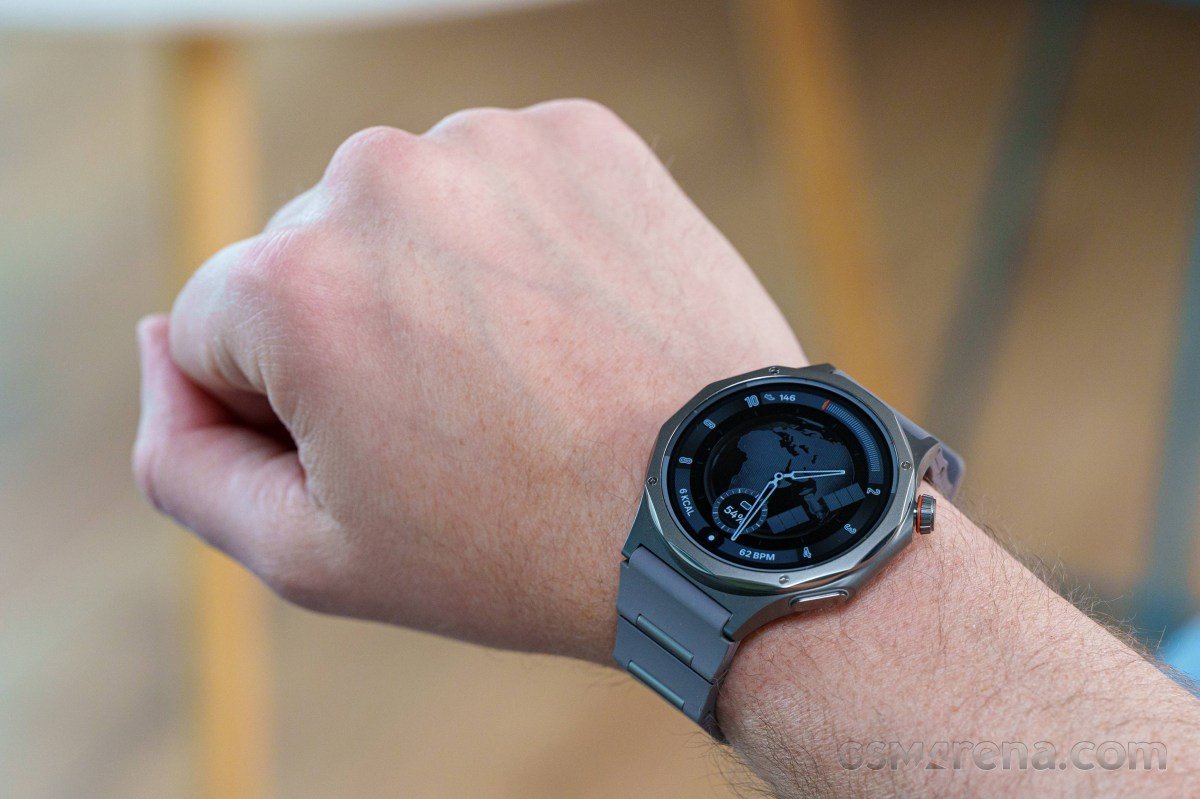
The Oppo Watch X3 continues the brand’s strategy of offering a great Wear OS experience with a focus on battery longevity.
With a price point around €300, it positions itself against established competitors by promising up to five days of battery life in its full smart mode.
Oppo Watch X3 specs at a glance:
- Body: 47.4×47.4×11.0mm, 43g; sapphire crystal front, titanium alloy frame, glass-fiber-reinforced plastic back; IP68/IP69 dust-tight and water-resistant (high-pressure water jets; immersible up to 1.5m for 30 min), Waterproof (5ATM), MIL-STD-810H compliant, Compatible with standard 22mm straps, ECG certified.
- Display: 1.50″ LTPO AMOLED, 1500nits (peak), 3000 nits (peak sports mode), 466x466px resolution, 310ppi.
- Chipset: Qualcomm Snapdragon W5 Gen 1 (4 nm).
- Memory: 32GB 2GB RAM.
- OS/Software: ColorOS Watch 7.0 + Wear OS 6.0.
- Battery: 646mAh; 10W wired charging.
- Connectivity: Wi-Fi 4; BT 5.2; NFC.
- Misc: Accelerometer, gyro, barometer, compass, heart rate, SpO2, thermometer (skin temperature).
The Watch X3 enters the market as a near-identical twin to the OnePlus Watch 4, sharing the same core hardware and internal specifications. The primary differentiators for the Oppo model are the higher-grade materials used and a few design tweaks here and there.
Table of Contents:
Design
The Oppo Watch X3 features a chassis constructed from a titanium alloy, a material which is not only very scratch-resistant but also relatively lightweight. The device weighs 43g (without the strap) and maintains a thickness of 11mm, making it thinner and lighter than previous iterations.
The watch is available in two colorways: Misty Titanium and Obsidian Black. Interestingly, the color is not the only thing that sets these two variants apart.
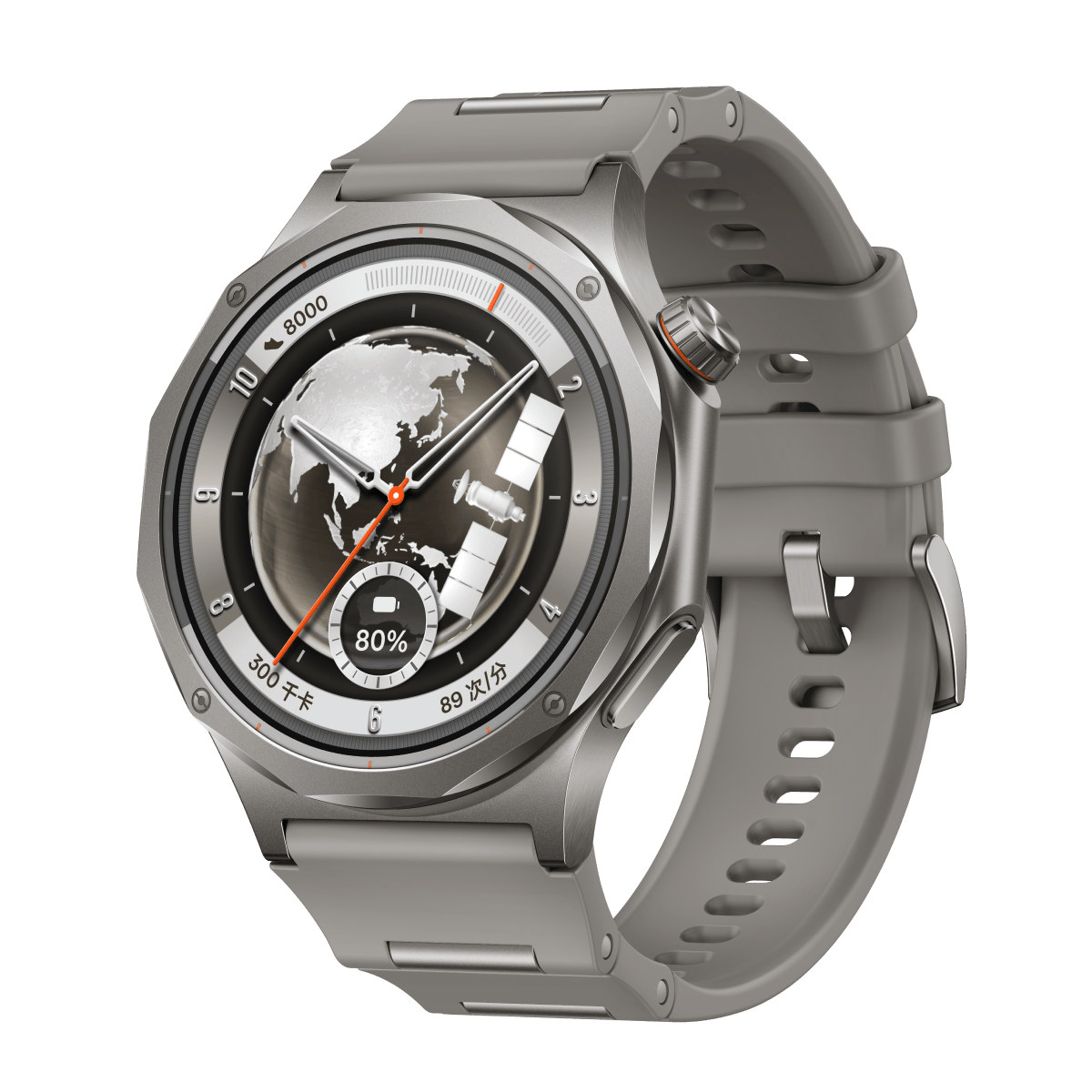
The Misty Titanium variant is distinguished by 12 facets cut into the bezel, representing the hours of the day. I am already a fan of the gunmetal gray color of Titanium, but the added bevels also add a sculpted look, which I prefer over the simpler and straightforward design of the Obsidian Black version (and the OnePlus Watch 4).
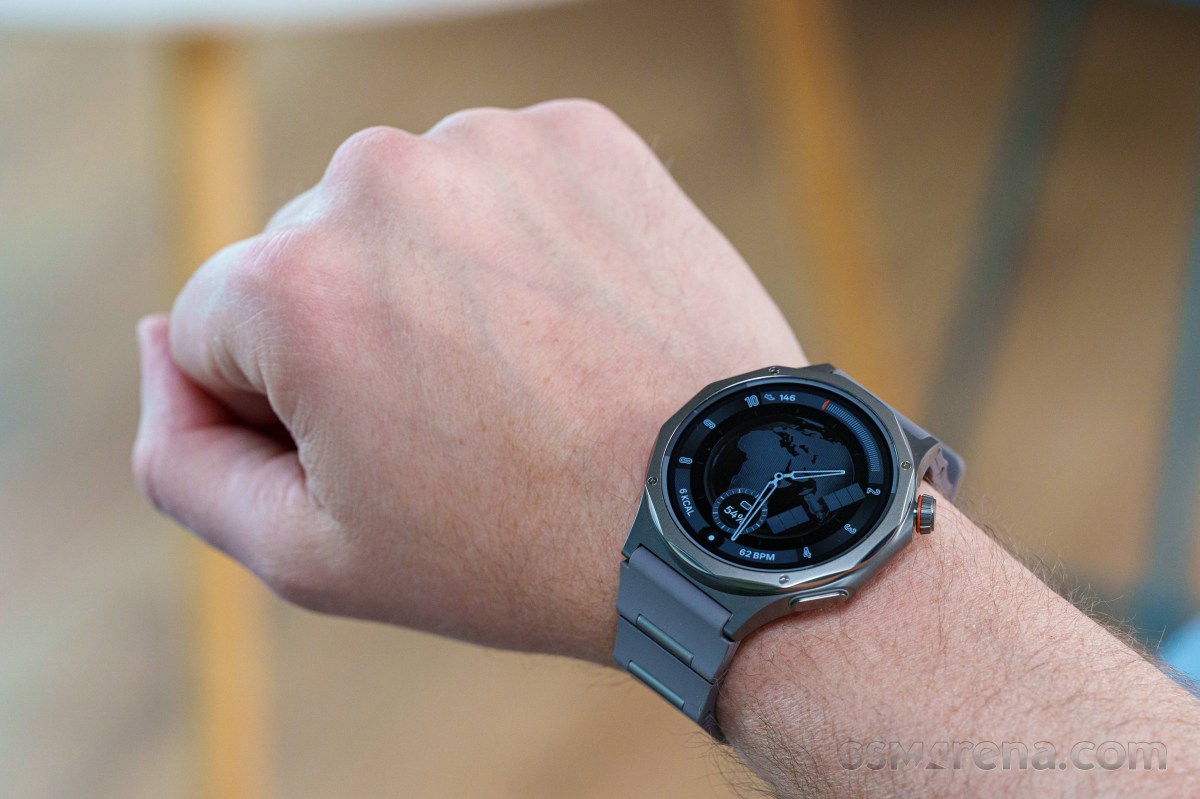
For protection, Oppo uses sapphire crystal glass on the front, which provides high scratch resistance, though the manufacturer advises against drops onto hard surfaces like concrete or granite – it’s not unbreakable, is all we’re saying.
After more than a month of use, these materials have more than proven their durability – there is not even a single scratch on the glass or body of the Watch X3.
Unfortunately, while the top and sides are premium metal and glass, the underside of the watch is made of glass-fiber-reinforced plastic. It’s not a big deal, but it detracts from the otherwise premium build.
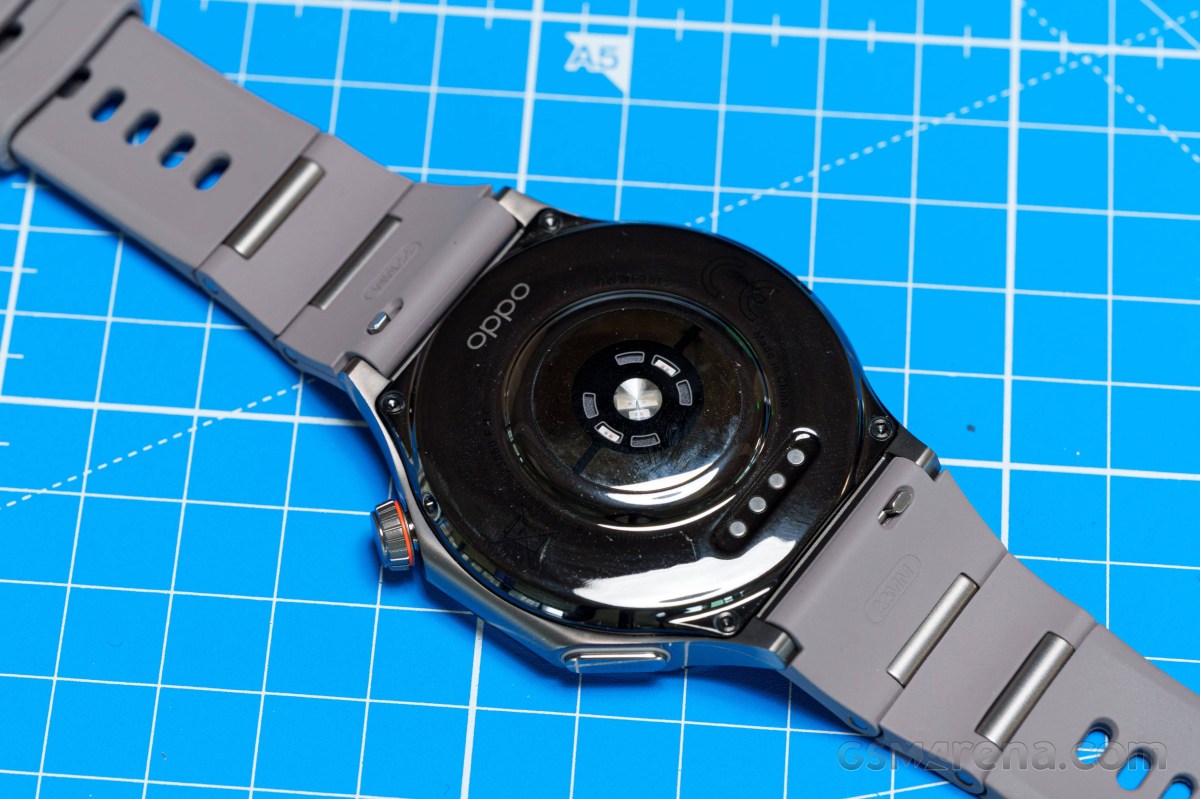
The device is rated for IP68/IP69 and 5ATM water resistance, allowing it to withstand high-pressure water jets and submersion up to 50 meters. It has also passed 16 MIL-STD-810H durability tests, including thermal shock and salt spray.
Besides the touchscreen itself, UI interactions are handled via a Crown Navigator and a secondary button. The crown supports rotation for scrolling, a single tap for the app menu, a double tap for recent apps, and a long press to trigger Google Gemini. These are just the pre-defined actions and can be customized.
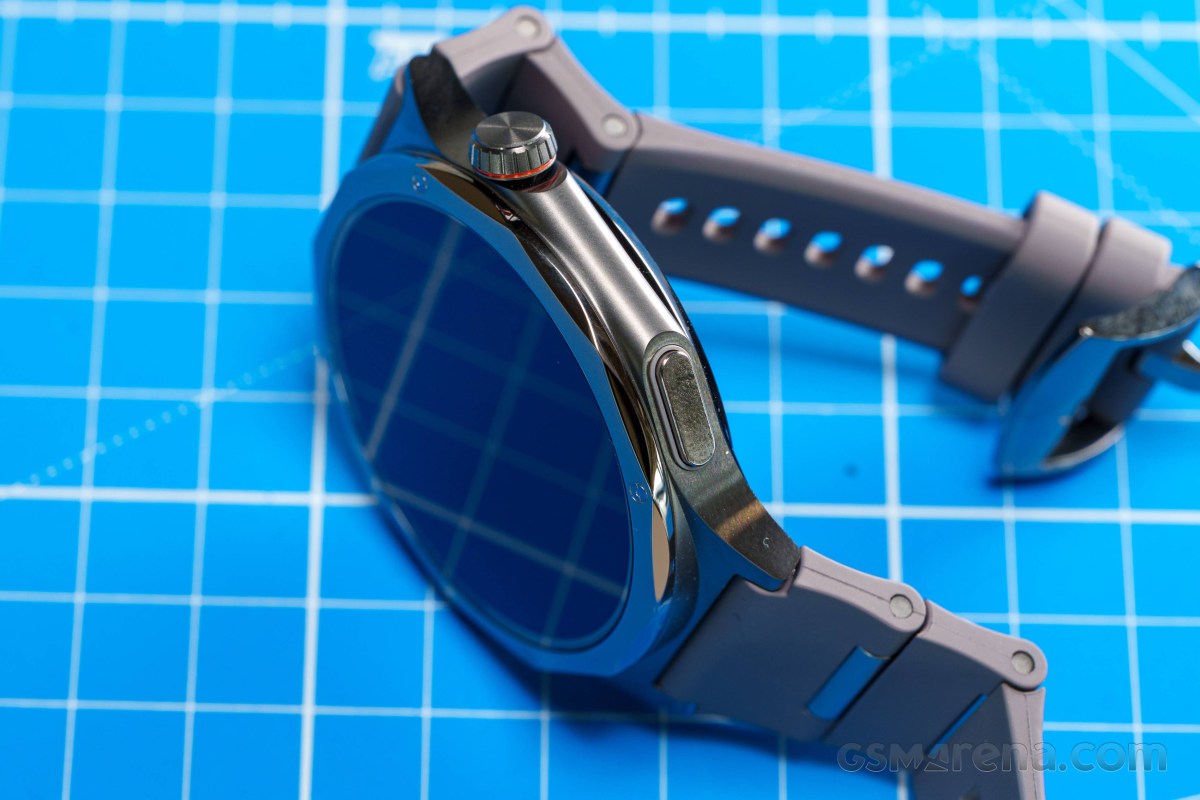
The watch strap on both color versions is made of Fluoroelastomer (FKM) rubber, but the Misty Titanium model includes a more advanced Dynamic-Link strap model. The Dynamic-Link part allows the strap to fit nicely along the wrist, but I can’t be sure if it’s a better fit than a regular silicone strap. What it does provide, however, is a more upscale and high-tech look compared to a regular silicone strap.
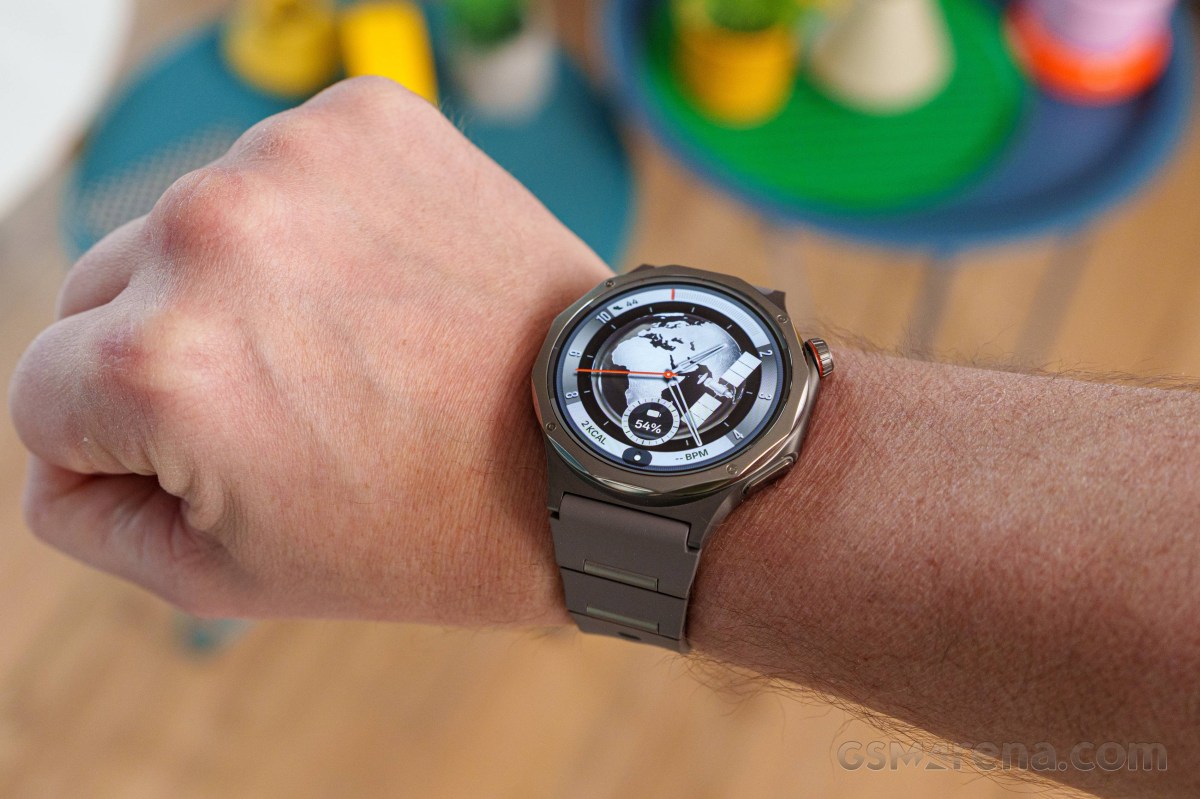
While the strap is high quality, there are currently no official alternatives available from Oppo. True, the watch uses a standard strap attachment, so technically any 22mm strap should fit, but it’s almost as if Oppo deliberately chose not to sell the other straps it already offers with different versions of the watch. I think it’s an oversight not to offer replacement straps in gray and black, and why not even orange, like the one available with the Chinese version of the Watch X3?
Hardware
The watch uses a 1.5″ LTPO OLED display with a resolution of 466×466 pixels, resulting in a pixel density of 310 PPI. The LTPO technology allows for a variable refresh rate to manage power consumption, particularly for the Always-On Display (AOD).
In terms of brightness, the display is quite competitive. According to Oppo, it should offer a typical maximum brightness of 600 nits, which can increase to 1500 nits in bright outdoor light. In dedicated sports modes under direct sunlight, the screen should be able to reach a peak brightness of 3000 nits. Additionally, a “Splash Touch” feature is included to ensure the touchscreen remains functional when wet.
Display legibility is great indoors and outdoors
Compared to other Wear OS watch makers, Oppo’s Watch X3 is unique in the fact that it utilizes a dual-chip architecture to balance performance and efficiency.
The main chip on hand – the Snapdragon W5 Gen 1 – is currently the go-to Wear OS silicon, and it handles the main Wear OS environment and the regular applications.
For low-power tasks and background monitoring, Oppo uses the BES2800BP, an ultra-low-power SoC featuring a dual-core Cortex-M55 processor.
The combination of these two chipsets allows you a choice between a full-fledged Smart mode and a Power saver mode, in which you give up some features in exchange for a much longer battery life. More specifically, in Power saver mode there is no Always-On display, no health monitoring and no app support, but you still get sleep and sports tracking.
Interestingly, the Watch X3 can use the two chips interchangeably to save power, and I noticed the Watch X3 enters a hibernation mode at night, which, I reckon, is one of the secrets to the great battery life it provides. But I’ll get to the battery stats in a bit.
It’s worth noting that while the Chinese variant of the Watch X3 supports eSIM, the global model, which we have for review, relies only on Bluetooth and Wi-Fi.
Software
The watch runs Wear OS 6. This provides access to the Google ecosystem, including Google Maps for navigation, Google Wallet for NFC payments, and Google Gemini for voice-assisted tasks.
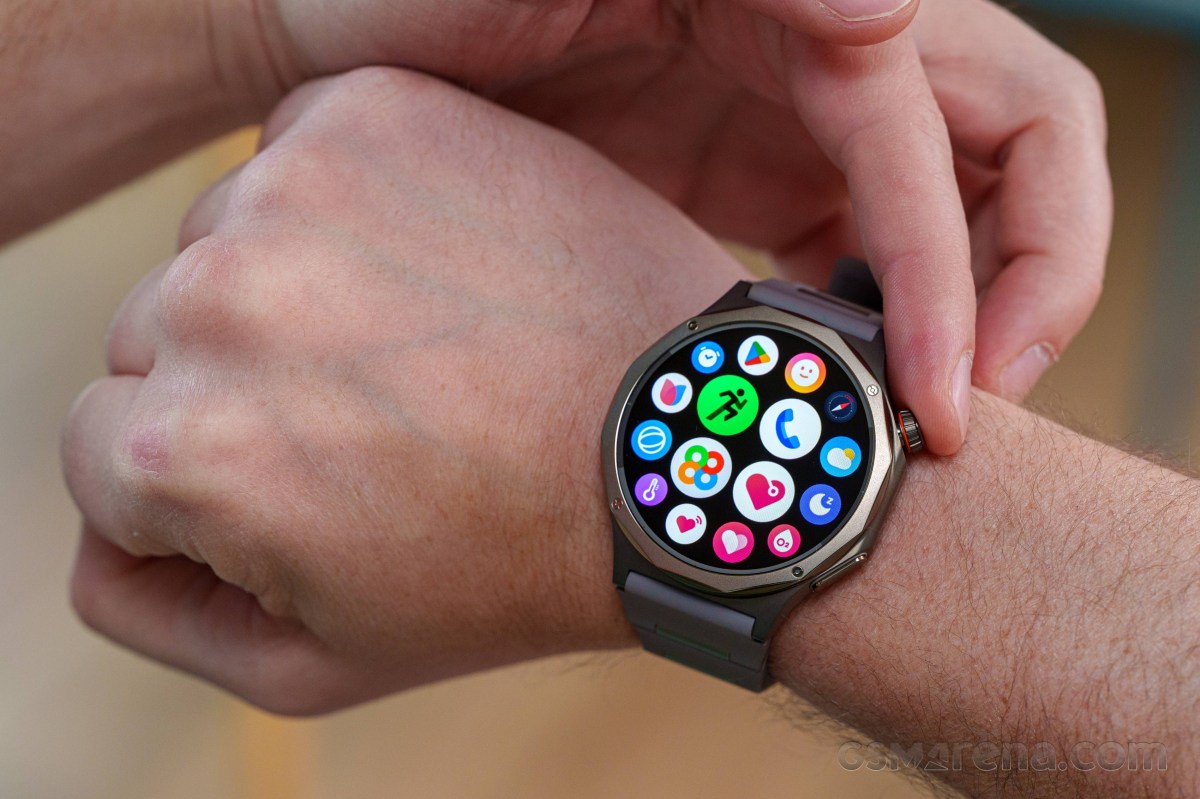
Users with Oppo smartphones running ColorOS 15 or higher gain additional features like remote camera control and playback controls for short-form video platforms like TikTok and YouTube Shorts.
Compared to something like a Huawei smartwatch, Wear OS gives you the perks of varied contactless payment options and Google Maps pedestrian navigation. You also get media controls on the watch when playing music from your phone, as well as voice access to Google Gemini on the go. It’s convenient, even if the watch version isn’t as capable as Gemini on your phone and requires constantly pressing the screen to continue the conversation.
I did find the option to create custom Gemini actions as a watch homescreen surprisingly useful, as I could execute it whenever I needed with just a single touch.
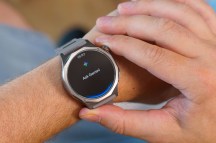
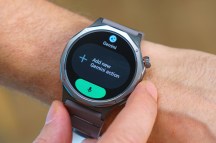
You can talk to Gemini or have preset Gemini tasks as tiles
On the downside, Wear OS smartwatches, unlike Huawei’s, aren’t compatible with iPhones, so you’re limited to Android devices.
I also wish there were more smart home apps available for Wear OS. At the time of writing, I couldn’t find dedicated apps for any of the 3-4 smart home brands I use at home, though thankfully Google Home brings most of them together in one dashboard. Watch apps from airlines and carmakers are similarly scarce. Public transit and ride-hailing apps are not widely available either. Still, the versatility of Wear OS means there’s usually some way to get the functionality or information you need onto your wrist, even if it requires a workaround.
The Watch X3 relies on Oppo’s OHealth app for connection to the phone.
The OHealth app is a bit bare-bones but does the job alright. I wish it were more proactive in providing insights and health feedback. Right now, you have to open it deliberately and look for the stats you are interested in.
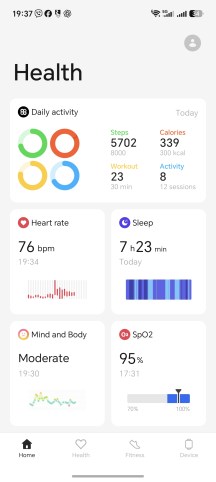
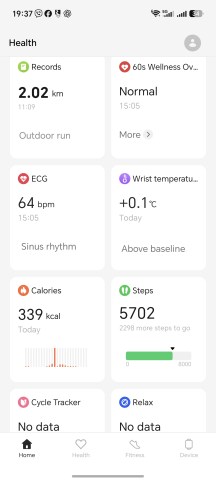
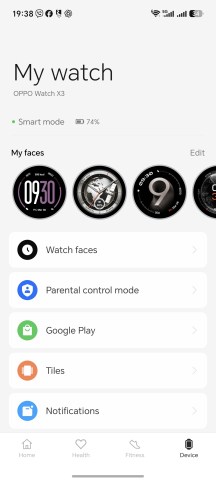
The OHealth app shows the basic stats but not much else
Sleep tracking isn’t one of the Watch X3’s strong suits. Its sleep overview doesn’t show metrics such as time to fall asleep, HRV or SpO2 during sleep, all of which are conveniently available in one place on a Samsung smartwatch, for instance. There is also no sign of more advanced features such as snoring or breathing disturbance detection.
Health and activity tracking
Oppo’s health sensor, branded as Tri-Sense, relies on an 8-channel optical heart rate sensor and a 16-channel blood oxygen (SpO2) sensor.
Carried over from the Watch X2 is the 60s Wellness Overview, which measures ECG and heart rate for 60 seconds and combines these with the rest of the metrics the watch measures to give you a general picture of your health.
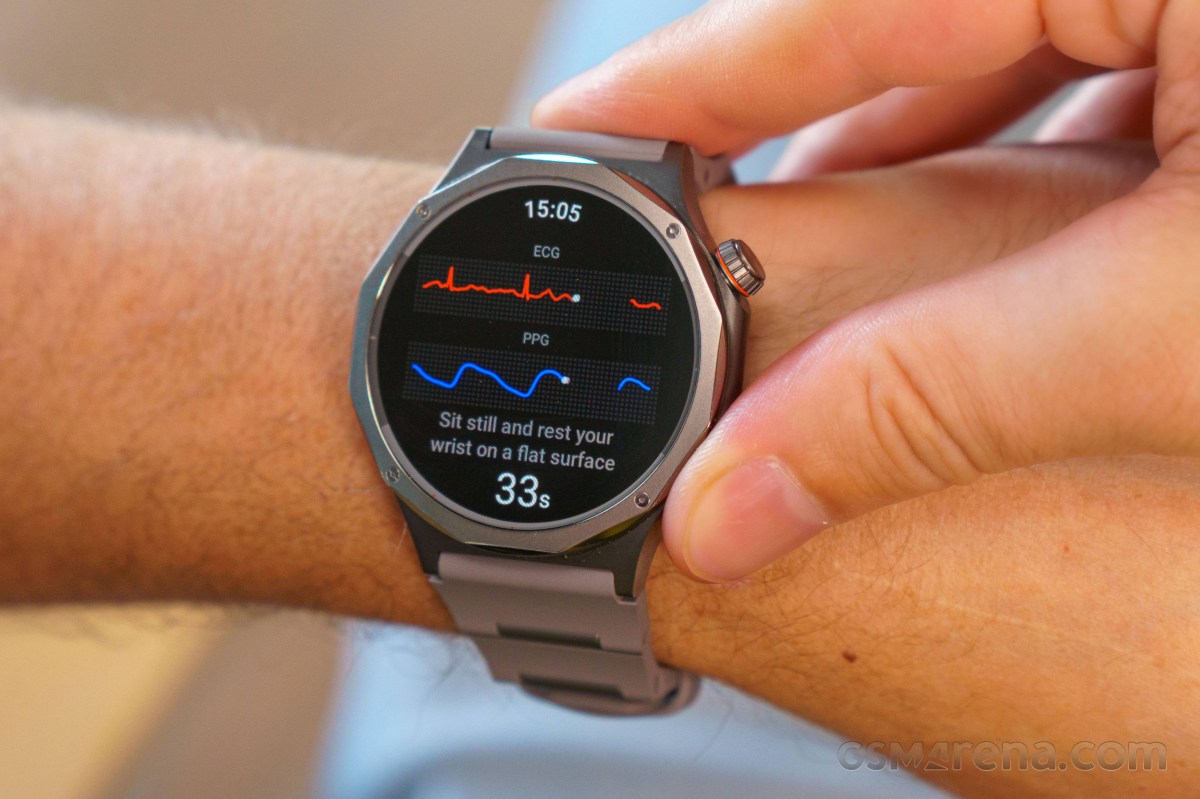
General health tracking features include:
- 60s Wellness Overview: A single-minute test that measures heart rate, blood oxygen, and stress levels.
- ECG Tracking: Capable of identifying sinus rhythm or atrial fibrillation, though regional availability varies.
- Sleep Tracking: Monitors sleep cycles, heart rate, and wrist temperature.
- Fall Detection: Can trigger an emergency SOS call if a fall is detected and the user remains unresponsive for one minute.
Other health management functions include Mind and Body Evaluation, which monitors HRV, heart rate, and activity intensity to gain deeper insights into your current stress and emotional state. For instance, Mind and Body was good at picking up the more stressful moments in my life and made me more mindful of how I felt by prompting me to pay attention to my emotions, breathe and relax.
In general, the watch supports over 100 sports modes, with automatic recognition for six common activities, including running, walking, cycling, swimming, rowing machine and elliptical machine.
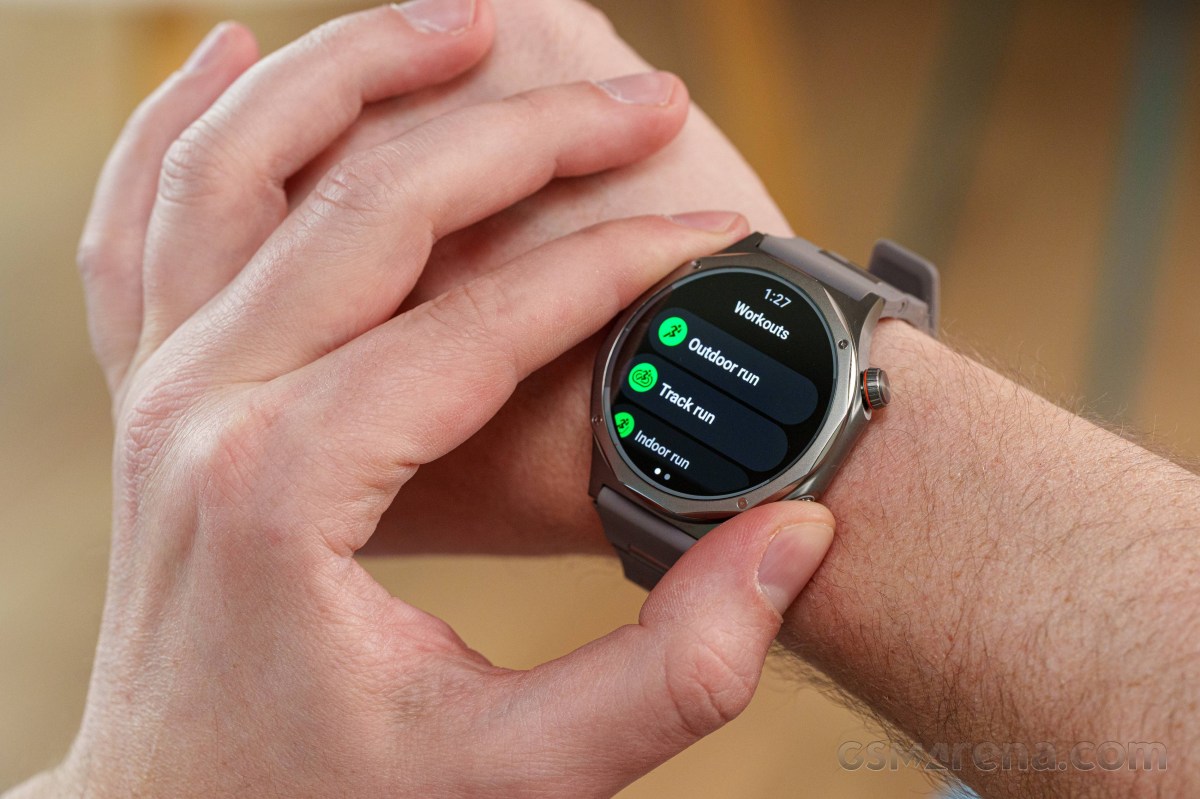
11 sports types get more advanced “professional” metric tracking – those include Skiing, Running, Tennis, Badminton, Swimming, Rope skipping, Mountain climbing, Walking, Cycling, Elliptical machine, Rowing machine.
These more advanced modes track sports-specific variables. For instance, racquet sports such as Tennis and Badminton track the swing speed and total strokes, among other things.
The Running Mode also analyzes biomechanical data such as ground contact time, vertical oscillation, and left/right balance with the goal of covering key posture-related indicators during the run. A built-in Pacer feature is also available to help maintain specific speed targets.
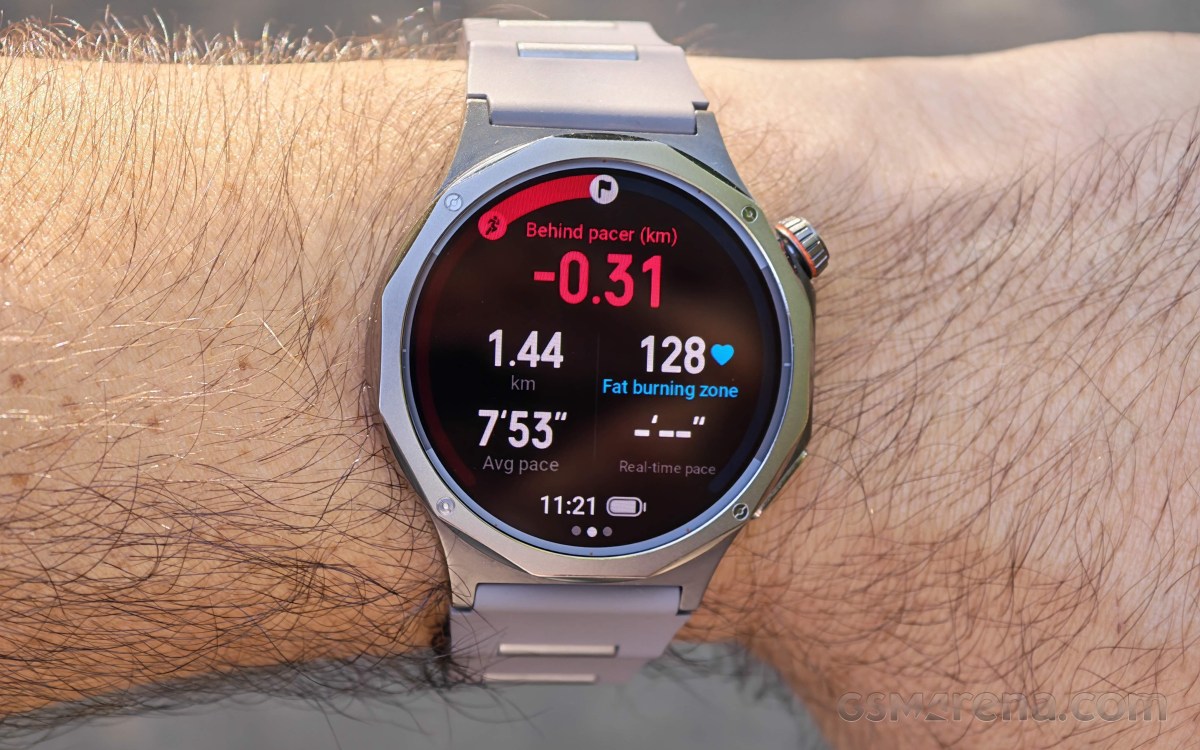
In the OHealth app, you can customize which of these metrics is shown on screen during your sports session.
OHealth also supports HealthConnect so it can share data with other health tracking apps like Google Fit or Strava.
Battery life and charging
The Watch X3 is equipped with a 646mAh Si/C battery.
Oppo claims up to 5 days of battery life in Smart Mode (with typical use) or 3 days with heavy use. In real-world testing with the Always-On Display active for 15 hours a day and high daily step counts, the Watch X3 consistently lasted 4 days in our experience.
With AOD off, the Watch X3 was able to deliver 5.5 days of battery life with relatively heavy use.
For maximum endurance, Power Saver Mode switches exclusively to the low-power BES2800BP chipset and disables the AOD while maintaining basic health and activity tracking. In my testing, this extended the battery life to 15 days of use.
Charging is performed via a 10W magnetic puck with four pogo pins; it does not support wireless charging.
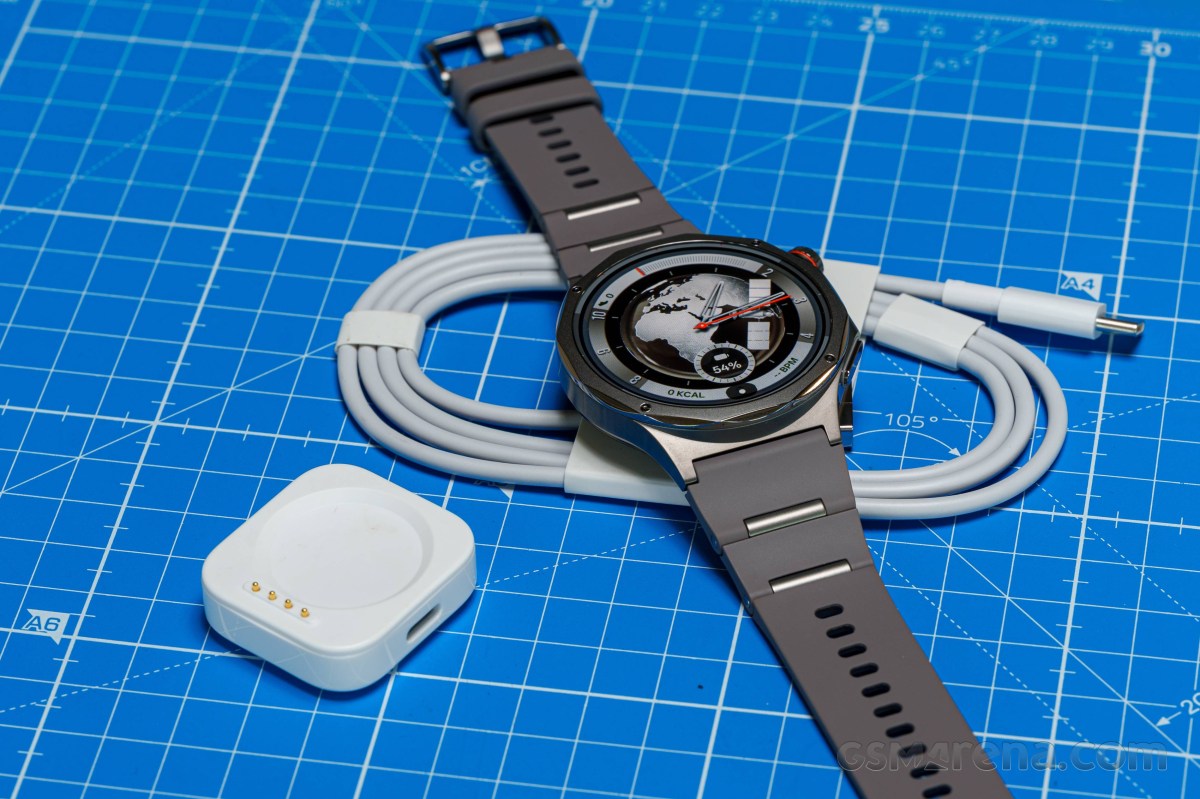
In charging tests, the watch reached:
- 48% in 15 minutes.
- 79% in 30 minutes.
- 94% in 45 minutes.
- 100% in about 55-56 minutes.
Even though the puck is rated to pass through only up to 10W of power, you ideally need to pair it with an Oppo SuperVOOC charger because you won’t get the maximum charging speed with a regular USB-PD charger.
Verdict
The Oppo Watch X3 is a great smartwatch that addresses the most common complaint about Wear OS devices: short battery life. The combination of the Snapdragon W5 and the BES2800 chip allows for several days of use in a “full” smartwatch mode, which is a significant advantage over many competitors.
However, the watch faces stiff competition, particularly from its own relative, the OnePlus Watch 4. Since the internal hardware and core features are identical, the choice between them largely comes down to aesthetics – specifically whether the Oppo’s titanium bevels and Dynamic-Link strap are worth the price premium. With the OnePlus model often available for less than €240, it certainly seems like the better deal. That said, I’ve been a fan of this Titanium Gray look ever since the Huawei Watch GT 3 Pro came out, so if I had to choose, I’d still go for the Watch X3.
Among Wear OS watches, the Galaxy Watch Ultra2 is one of the few models that can deliver 4-5 days of battery life, and it comes with a much more polished and comprehensive companion phone app. But it’s also roughly twice as expensive, which makes the Watch X3 – and, by extension, the OnePlus Watch 4 – very compelling alternatives.
The Xiaomi Watch 5 is another very competitive option. It can match the Watch X3’s battery life in Smart Mode and offers a comparable Power Saver mode thanks to a similar dual-chip architecture. It’s also about as cheap as the OnePlus Watch 4, putting the two pretty much neck and neck. The Xiaomi has sapphire glass not only over the display but on the underside as well, though its stainless steel body is heavier than the Oppo’s titanium alloy one. It also offers some interesting finger and wrist-flick gestures for controlling the UI. Overall, it’s a very strong alternative to both the Oppo and OnePlus.
Choosing a watch, however, is much more dependent on style and design than choosing a smartphone, so personal preference will play a big part in the decision. One thing is for sure – if you go for either the Oppo or the OnePlus, you won’t be disappointed.
Pros
- Premium titanium and sapphire construction.
- Dynamic-Link strap looks high-tech and adds sophistication.
- Excellent LTPO display with high peak brightness for outdoor use.
- Great battery life (4-6 days) for a full Wear OS device.
- Extended Power saver mode delivers 15 days of runtime.
- Fast charging speeds with SuperVOOC chargers.
- Comprehensive sports modes with a focus on several sports types.
Cons
- Plastic underside detracts from the otherwise premium build.
- Global model lacks eSIM support found in the Chinese version.
- Priced higher than the nearly identical OnePlus Watch 4.
- No replacement strap options available from Oppo.
- OHealth app is a bit basic.
We may get a commission from qualifying sales.