








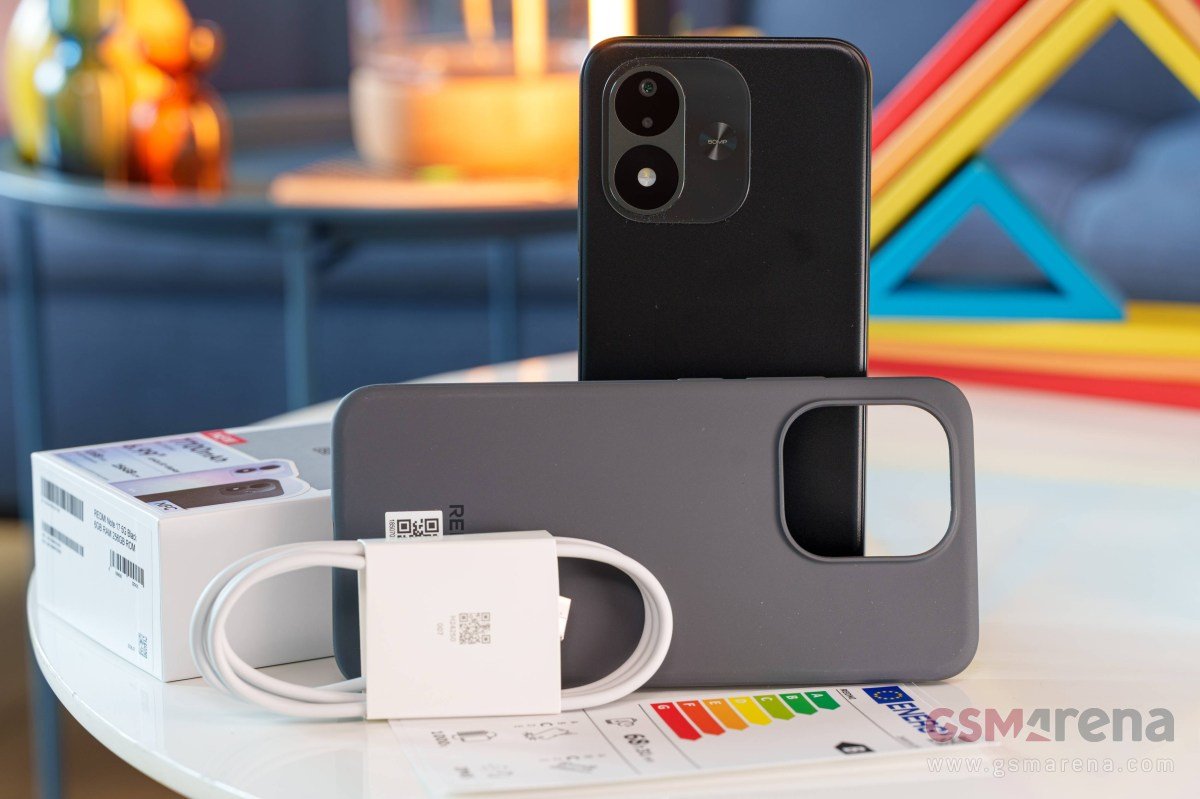
Xiaomi’s Redmi Note series still features a 4G model despite most of the world having transitioned to 5G. We have both the Redmi Note 17 5G and the 4G variant and ran battery and charging tests on them. In this post, we’ll focus on the 5G model and in the next one, we’ll see what the 4G one has to offer.
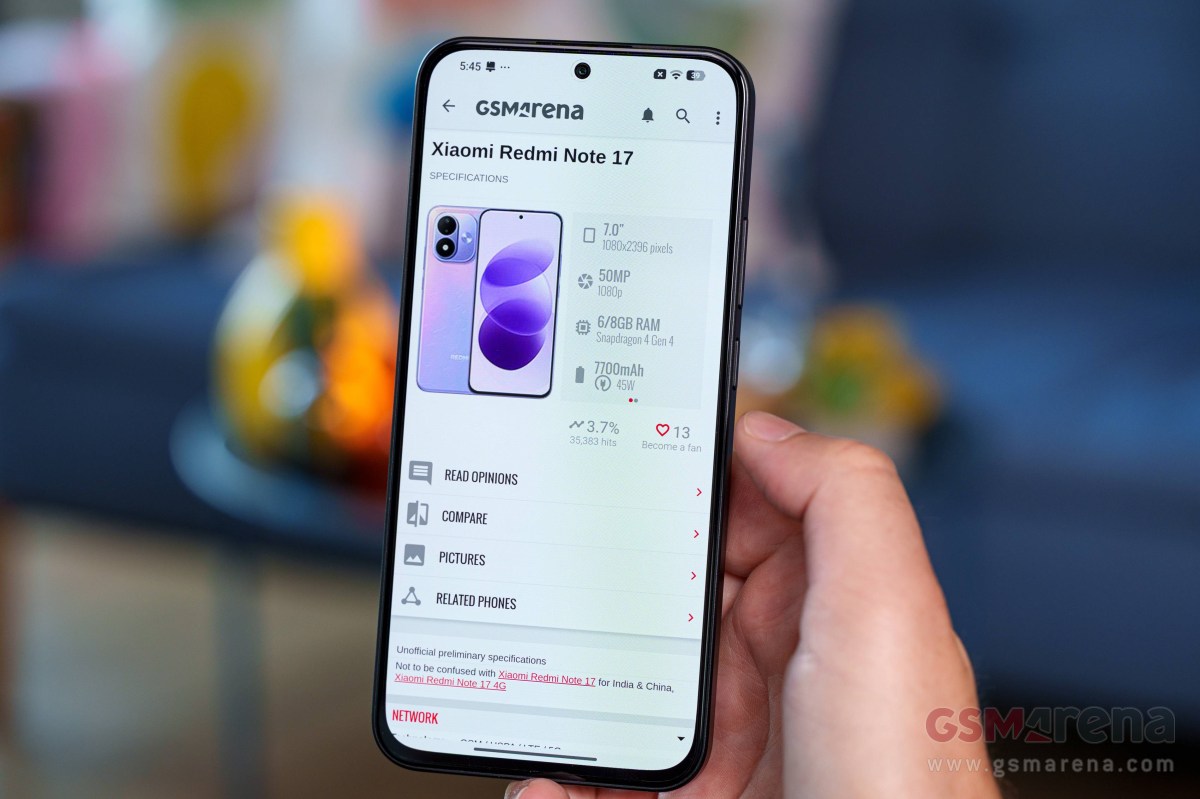
The Redmi Note 17 5G is nearly identical to its 4G sibling – the only difference is the chipset. For 5G connectivity, Xiaomi picked the 4nm Snapdragon 4 Gen 4. For 4G duties, Xiaomi went with the 6nm Snapdragon 6s 4G Gen 2. Both chips were announced at the same time, but the 4 Gen 4 is built on a newer node and features newer CPU cores, so it will offer the better performance. And the better efficiency, perhaps?
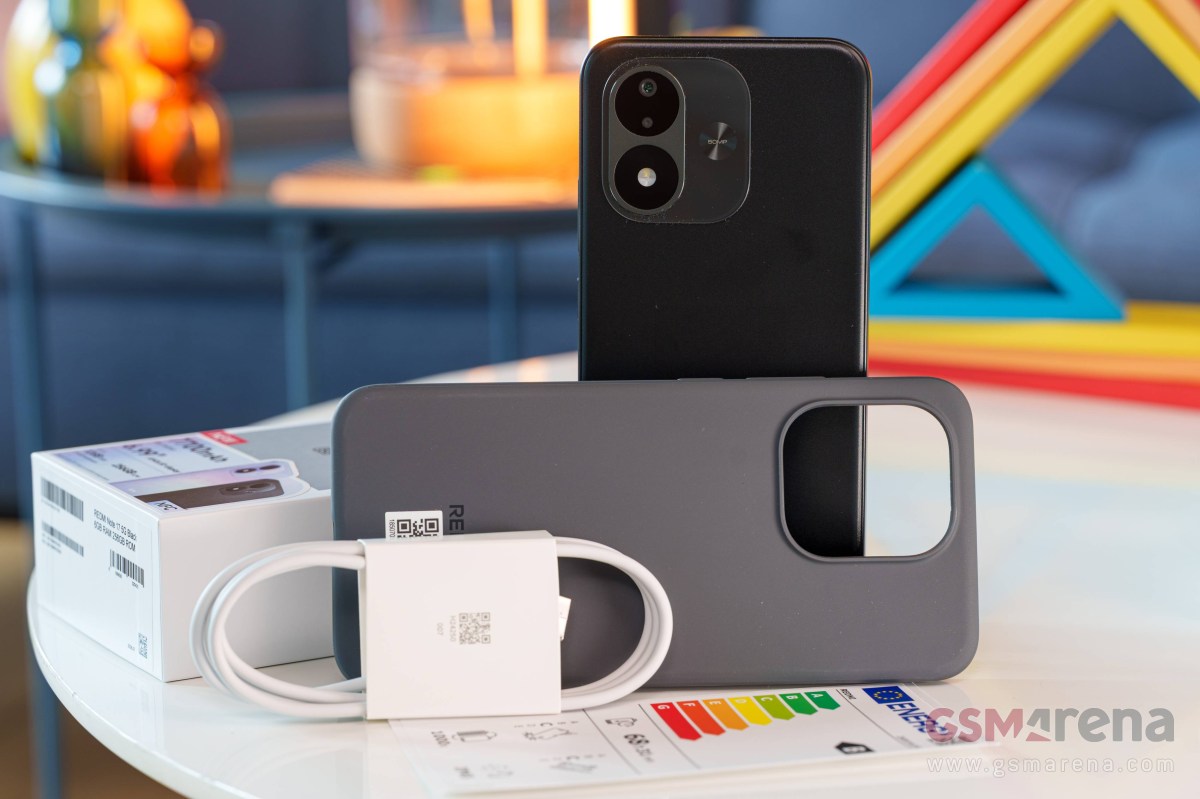
Redmi Note 17 5G retail package
Both models run on 7,700mAh Si/C batteries and support 45W charging (plus 22.5W reverse charging). The previous generation had smaller, slower batteries – 5,520mAh/45W for the Note 15 5G and 6,000mAh/33W for the Note 15 4G. They used the Snapdragon 4 Gen 3 and a Helio G100 Ultra, respectively.
Starting with battery endurance, the Redmi Note 17 easily beat its 5G predecessor with major improvements across the board. The improvement in Active Use Score is quite impressive at nearly 5 and a half hours. The improvement is quite linear – the battery has 39% more capacity and the test score improved by 38%. Keep in mind that the Note 17 5G has a pocket-busting 6.99” OLED display (1080p+, 120Hz), while the Note 15 5G had a 6.77” OLED display (1080p+, 120Hz). This means there is a small increase in efficiency, which balanced out the larger screen.
We’ll compare the Redmi Note 17 5G and 4G in the next post, but suffice it to say that the 5G model is the better phone.
The Realme 16T has a slightly larger 8,000mAh battery, which lasts 3 hours longer. It beats the Redmi in the call, web and gaming tests and is behind in the video test. The 16T has a 6.81” display, which is quite different – it’s a 144Hz IPS LCD with only 720p+ resolution. This matters as the Dimensity 6300 doesn’t have the best GPU for gaming.
The Poco M8 Pro has a smaller 6,500mAh Si/C battery but supports much faster 100W charging. We’ll see how that plays out in a minute. This one has the Snapdragon 7s Gen 4 chipset and a 6.83” OLED display with a higher 1280p+ resolution.

The Redmi Note 17 Pro has a larger battery (+640mAh), but its endurance is lower. This surprised us – the Pro has a smaller 6.83” display (with more pixels, 1280p+ vs. 1080p+) and its 4nm chipset is hardly cutting edge – it’s the Snapdragon 6s Gen 4. With its larger battery, the Pro should have easily won this one.
We also included the Samsung Galaxy A37 – with its 5,000mAh battery, this phone just can’t compete with better-equipped mid-rangers.
The Redmi Note 17 5G has a 45W charger, which is the minimum for battery capacities like this. After 15 minutes, it was just closing in on 25% state of charge. 30 minutes of charging gives you 41%, which should be enough to last you through the day even if you are a heavy user.
Still, you see the advantage of Poco M8 Pro’s 100W charging system – after 30 minutes, it was already at 83%. Of course, as we saw in the previous chart, getting two full days of heavy usage may be tough with the M8 Pro and it will be easier with the Note 17 Pro. So it’s a question of how often you charge your phone and how long you want to wait each time.
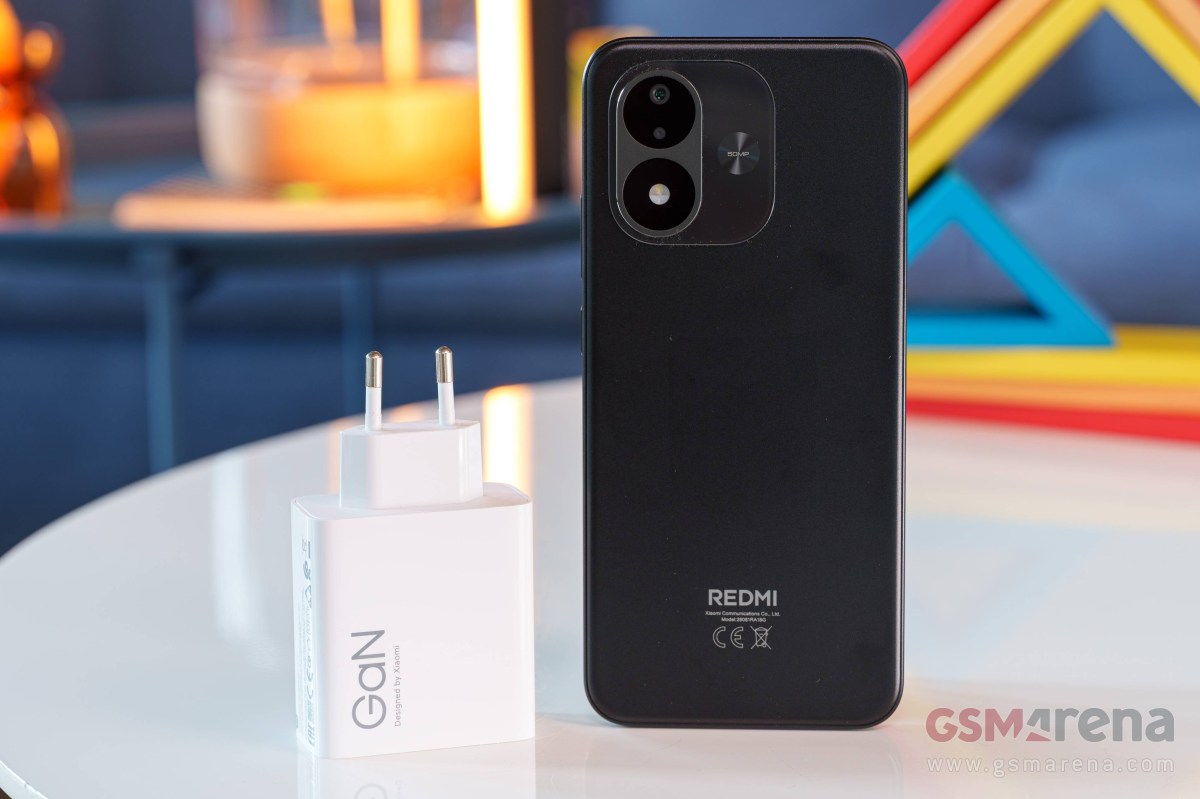
The Redmi Note 17 5G supports 45W charging
The Samsung Galaxy A37 supports 45W charging on paper, but the chart clearly shows that the number on its own may be misleading. The Redmi has 54% more battery capacity but only needs 18% longer for a full charge.
The Redmi Note 17 Pro embarrassed itself in the endurance test and it’s not winning any prizes in the charging test either – yes, it has a bigger battery (8,340mAh vs. 7,700mAh, +8%), but it also has faster charging (67W vs. 45W, +49%). And yet it only beat the vanilla Redmi Note 17 by 5 minutes.
The Redmi Note 17 5G and 4G lost the high resolution cameras of their predecessors – the Note 15 pair had 108MP sensors. The chipsets aren’t great either, considering that the Poco M8 Pro beats the Note 17. So, the one good upgrade this generation is the battery.
In terms of endurance, the Redmi Note 17 5G delivers – with an Active Use Score of close to 20 hours, you can easily go 2-3 days between charges, depending on how much you push the phone.
We would have appreciated a bump to 67W charging, however. We get it, you can’t have everything on a mid-ranger, but having to wait nearly an hour and a half for a full charge feels slow.