









The Redmi Note 17 series is going global – these phones are slightly different from the Note 17 models that we saw in China and that will soon be available in India. Here we will focus on the two Pro models, but Xiaomi also unveiled the Redmi Note 17 5G and 4G. Those will be covered in a separate post.
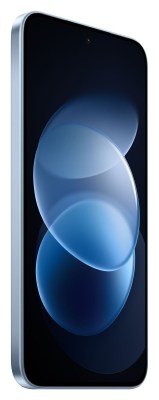



Redmi Note 17 Pro and Redmi Note 17 Pro Max
The Redmi Note 17 Pro and 17 Pro Max are the successors to the Redmi Note 15 Pro and 15 Pro+ from late last year. Both have 6.83” OLED displays, but this year they pack even bigger batteries with faster charging. Both phones use Snapdragon 6-series chips. However, the 200MP cameras that have been featured on the last few generations are gone.
The Redmi Note 17 Pro has an 8,340mAh Silicon-Carbon battery – this is quite the upgrade from the 6,580mAh battery of the 15 Pro. Xiaomi says that the phone can play videos for 28 hours on a single charge. The increased capacity is paired with a faster 67W HyperCharge system (up from 45W), which can go up to 50% in 34 minutes. We will have battery life and charging results soon, so stay tuned to see how the battery upgrades work in real life. Anyway, the phone also does 22.5W reverse charging, so that you can top up other gadgets and even other phones.
The Pro has a 6.83” OLED display with 1,280 x 2,772px and 120Hz refresh rate. It renders 12-bit colors and can reach up to 3,500 nits of brightness. It’s protected by Gorilla Glass Victus 2. This is more or less the same display as on the 15 Pro, except with a small bump in brightness.
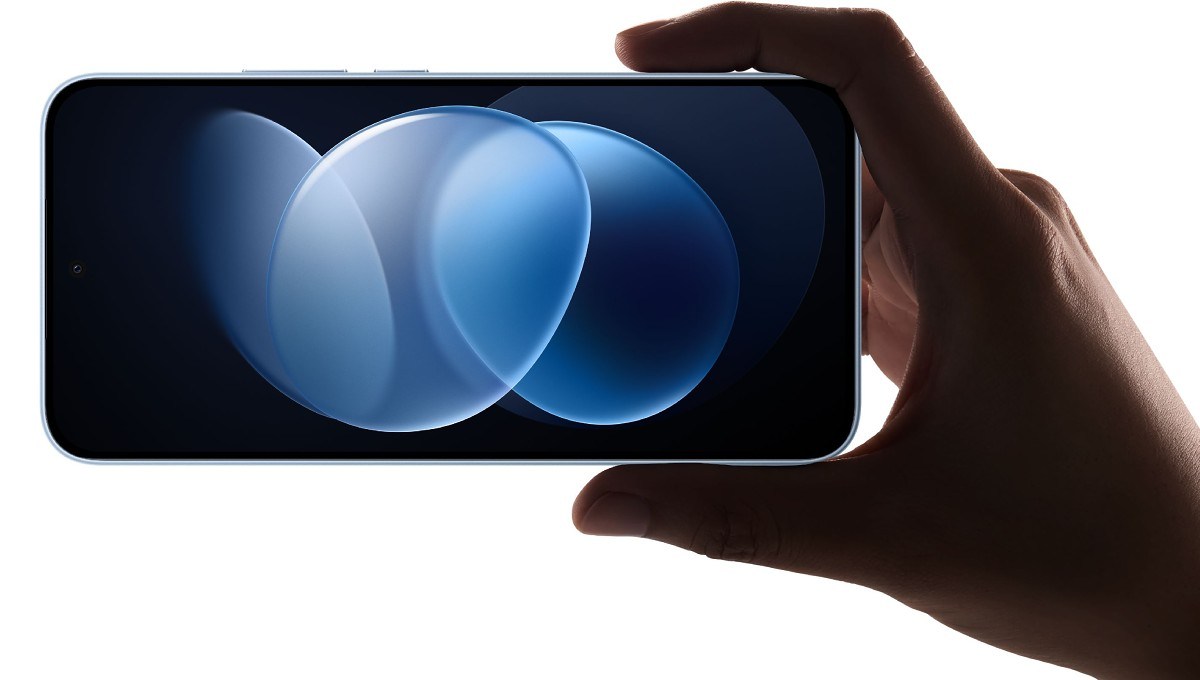
The Redmi Note 17 Pro features a 6.83” 12-bit 120Hz OLED display
The phone is powered by the Snapdragon 6s Gen 4 chipset, which replaces the Dimensity 7400 Ultra of the old model. It can be configured with 6GB, 8GB or 12GB of RAM (LPDDR4X) and 128GB, 256GB or 512GB of storage. Note that this means UFS 3.1 for all but the base 128GB variant, which uses UFS 2.2.
The Redmi Note 17 Pro Max is the same size as the Pro – the “Max” here refers to the larger 9,210mAh battery, which has 16% silicon content. The phone can play video for 37 hours, game for 19 hours or record video for 13 hours, according to official numbers. It’s a big step up from the 6,500mAh battery of the 15 Pro+.
Speaking of which, the Max has the same 100W HyperCharge as the 15 Pro+. These higher power ratings are becoming a necessity with the growing capacities of Si/C batteries. Xiaomi says that you can get a day’s worth of charge in 20 minutes. Also, reverse charging is slightly more powerful at 27W.

The Pro Max uses the same 6.83” OLED display as the Pro. However, it features a newer Snapdragon 6 Gen 5 chipset. This one uses a TSMC 4nm node instead of a Samsung 4nm node like the 6s Gen 4. Both chips use the same 4x Cortex-A78 + 4x A55 CPU configuration, but the Gen 5 has a small clock speed advantage. It also has a slightly more powerful GPU, Adreno 812 vs. 710.
Additionally, Xiaomi equipped the 256GB and 512GB variants of the Redmi Note 17 Pro Max with UFS 4.1 chips, which promise sequential read/write speeds of up to 2,100MB/s. Meanwhile, the 128GB UFS 2.2 variant only delivers 1,000MB/s. There is an asterisk here that we will talk about in our review. The RAM is either 8GB or 12GB of LPDDR4X.

The Pro Max display is also guarded by Gorilla Glass Victus 2. The two phones are rated IP66 (water jets) and IP68 (submersion). There’s no IP69K rating this time around, though. Xiaomi is claiming superior submersion resistance, saying that the phones can spend 72 hours under 3m of water, compared to 24 hours under 2m of water for the 15 Pro models. Both phones weigh around the same – 223g for the Pro and 225g for the Pro Max – despite the different battery capacities. They have the same thickness too, 8.6mm.
Both phones have stereo speakers with Dolby Atmos. However, the Max is louder with a 400% volume boost, compared to 300% for the regular Pro. No, there is no 3.5mm headphone jack, but there is Bluetooth 6.0 on the Pro Max and 5.1 on the Pro.
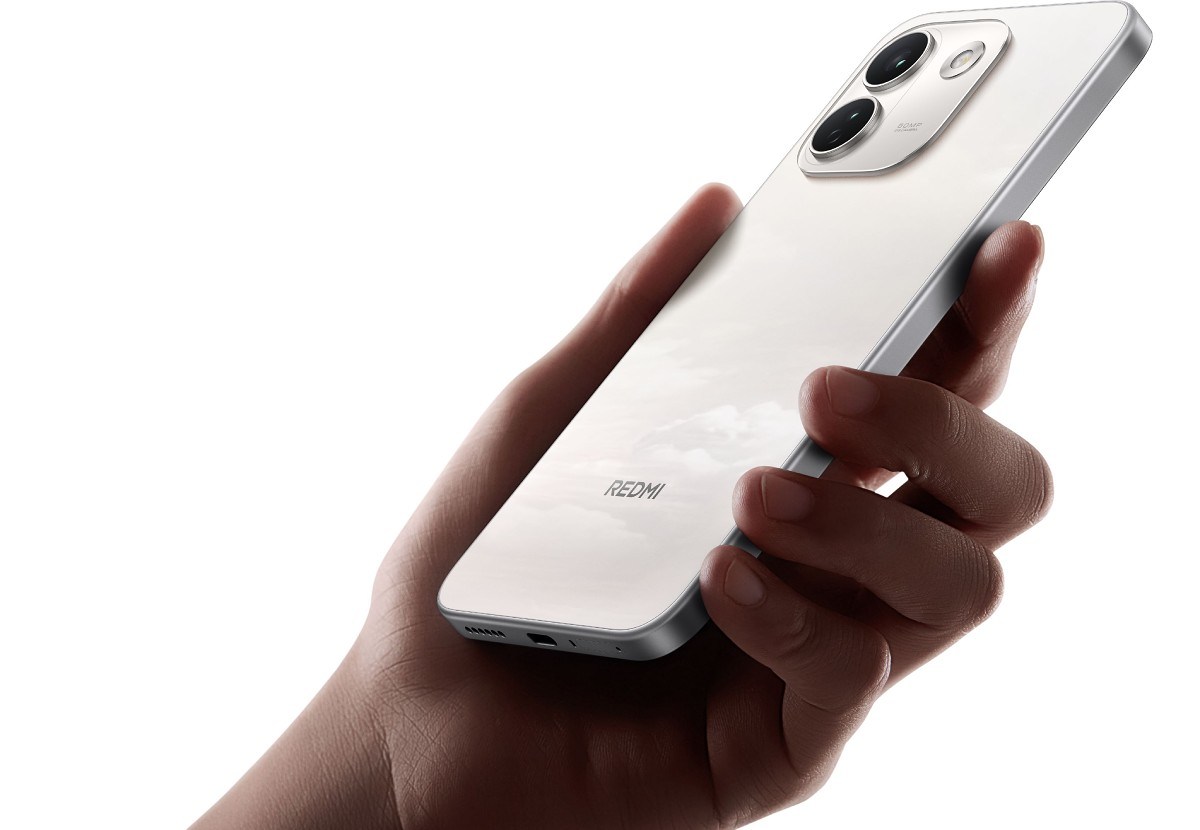
The Redmi Note 17 Pro Max weighs about the same as the Pro despite its larger battery
The Pro Max has better connectivity overall with Wi-Fi 6 (vs. Wi-Fi 5 on the Pro). Both phones support NFC and dual-SIM connectivity with an eSIM option.
Another place where the Pro Max has the upper hand is in the camera department. Again, the 200MP sensors and their zooming capabilities are gone, which is a shame. Instead, both 17 Pro models get 50MP main cameras with OIS and 8MP ultra-wide cameras.
The Pro Max’s advantage lies in the bigger sensor – it has 0.8µm pixels compared to 0.6µm pixels on the Pro – and the brighter f/1.5 aperture (vs. f/1.8). It also has a better 32MP selfie camera (f/2.2 lens, 4K video) compared to a 16MP (f/2.4) selfie on the Pro.
Both phones launch with Xiaomi’s HyperOS 3 and will receive 6 years of security updates.

The Redmi Note 17 Pro comes in five storage variants starting at $400. There are four colors to choose from: Sky Blue, Satin Orange, Purple and Black. The Redmi Note 17 Pro Max has four storage options starting at $500. It keeps the Purple and Black color options and swaps the other two for Cloud Blush and Green.