








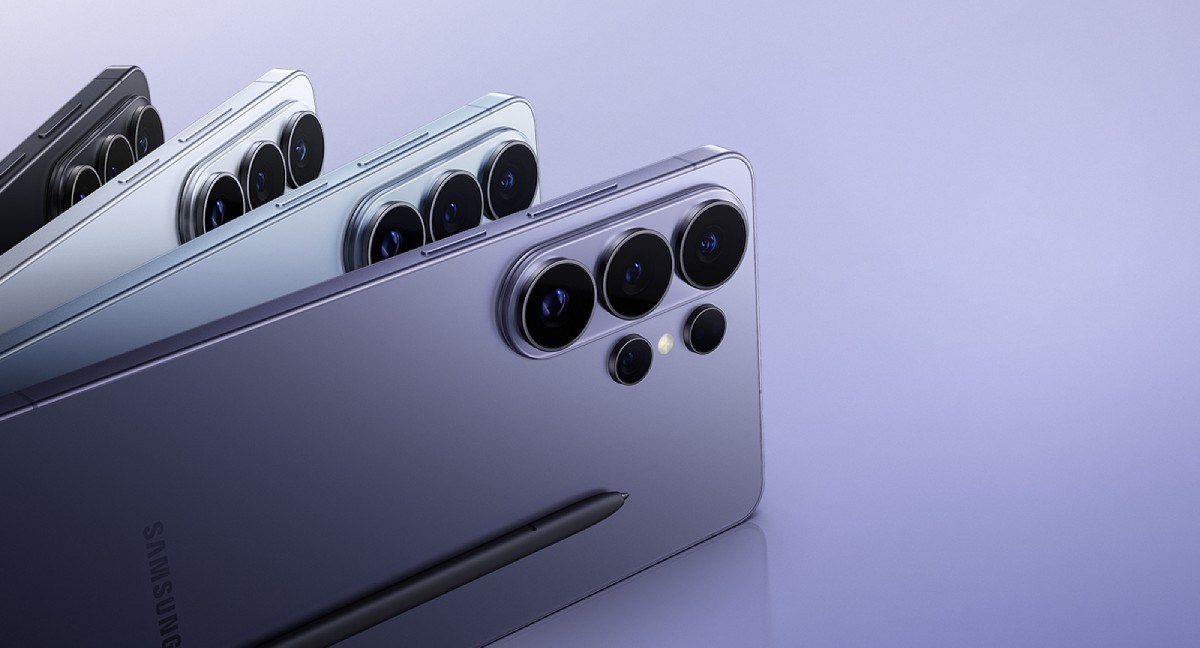
Samsung Electronics just posted its financial report for the first quarter of this year. The head of the mobile division (MX), TM Roh, is worried that said division might experience its first-ever annual loss. We’ll see what the rest of the year holds, but for Q1 at least Galaxy phones remained in the black.
Samsung MX and the Network Businesses division brought in KRW 38.1 trillion in consolidated revenue and made KRW 2.8 trillion in operating profit during the first quarter.
Sales are higher than the year-ago quarter – the numbers for Q1 2025 were KRW 37 trillion in revenue and KRW 4.3 trillion in profit. Still, it’s tough out there and Samsung managed to secure single-digit profitability thanks to its product mix, which leans towards premium models, and proactive cost optimizations.
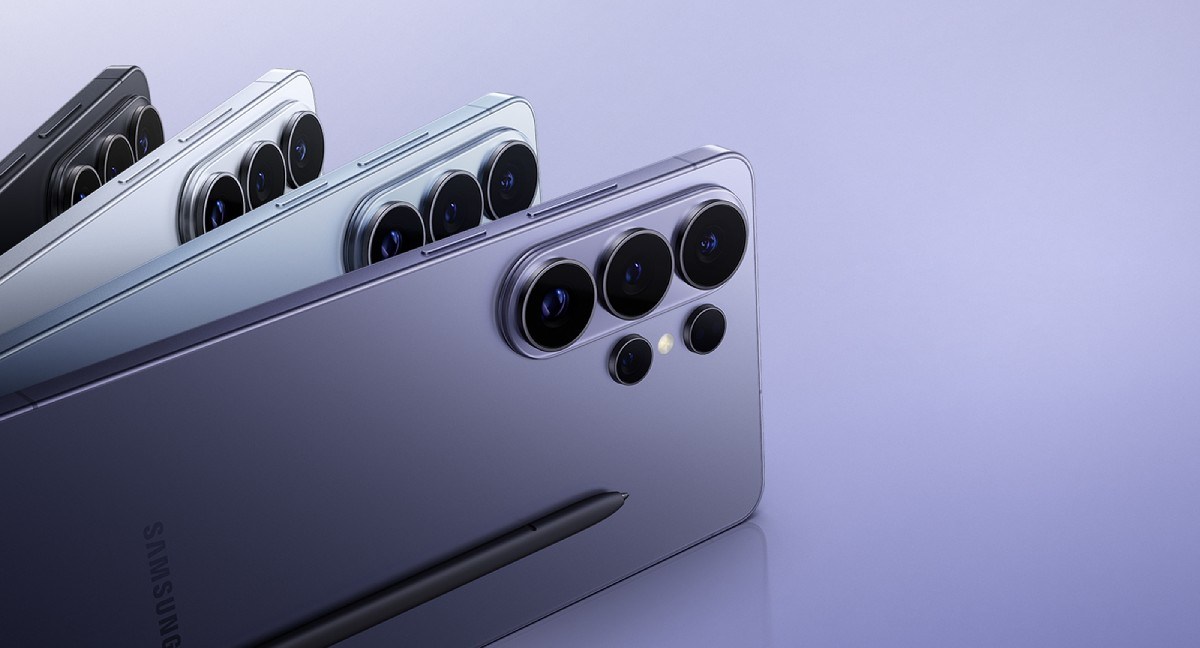
Looking at the next three months, however, Samsung expects to see a decline in revenue. In the second half of 2026, the MX division will continue to focus on flagship sales and on strengthening its position in the foldables market (the rumored Galaxy Wide didn’t get a callout, but we can read between the lines).
As for TM Roh’s concerns, this financial report forecasts that the MX division will see higher revenue for 2026 than it did last year. There’s no prediction for the yearly profit, however.
We flip over to Device Solutions (DS) and – careful, there are champagne corks flying all over the place. DS posted KRW 81.7 trillion in revenue, reaching an all-time high. To put things into perspective, this is an 86% increase quarter on quarter! Operating profit is similarly impressive at KRW 53.7 trillion – compare that to the KRW 1.1 trillion in operating profit it reported last year.
The memory business, which is a part of DS, broke its quarterly sales record. This was thanks to high-value products for the AI market. DS also started selling HBM4 and SOCAMM2 memory for Nvidia’s Vera Rubin. Rubin is the successor to the Blackwell architecture and the first products are expected later this year.
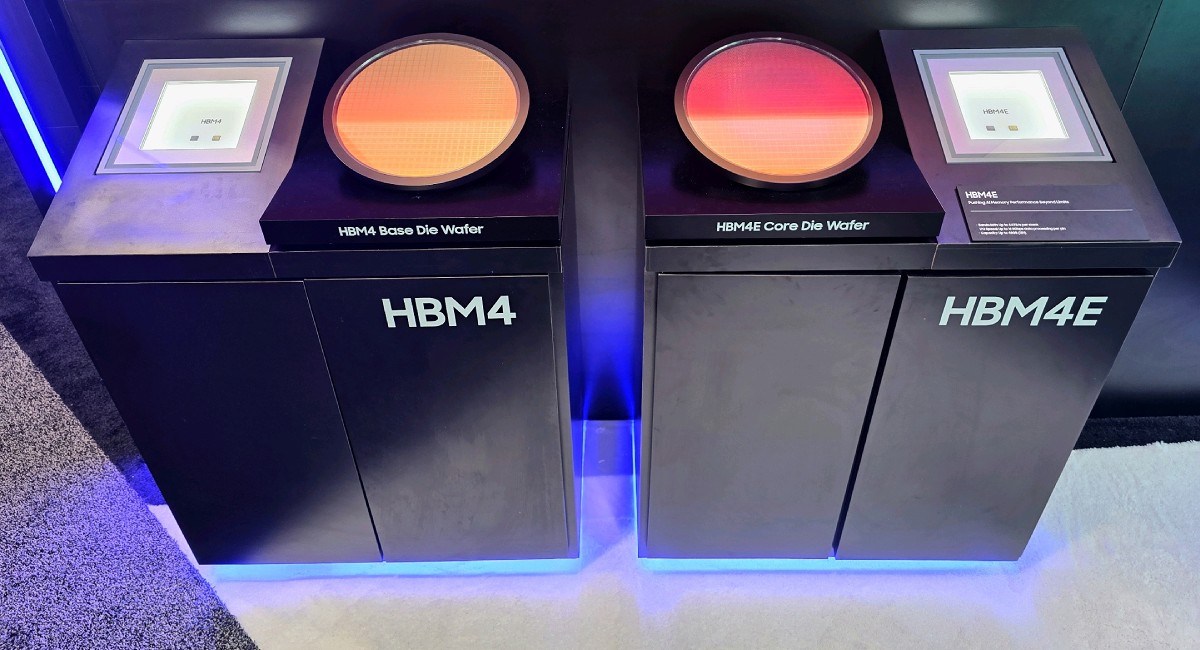
In the second quarter, the memory division will start delivering HBM4E memory samples to clients. It also plans to capture the early PCIe Gen6 SSD market, again with a focus on AI infrastructure (these high-bandwidth SSDs are used for KV caching).
The memory crunch is affecting the whole electronics market – which in turn puts pressure on Samsung’s other divisions. Samsung Display Corporation (SDC) brought in KRW 6.7 trillion in consolidated revenue and made an operating profit of KRW 0.4 trillion on that.
There was lower demand for small and medium display products – Samsung blames the usual seasonal effects for this (all the flagships that launched in Q1 were manufactured before that), but also the way that high memory prices have impacted smartphone sales. The corporation reports “robust demand” for OLED gaming monitors, though – if you can’t upgrade your GPU, a new monitor is a good way to get a better image, we guess.
Samsung System LSI, the division responsible for Exynos chips and ISOCELL camera sensors, has good news – earnings increased thanks to strong chipset sales. For the upcoming quarter, LSI wants to increase sales of both chipsets and sensors for the “volume-tier” smartphones. And in the final two quarters of this year, the division wants to expand its customer base for 200MP sensors and to “secure flagship SoC design wins.”
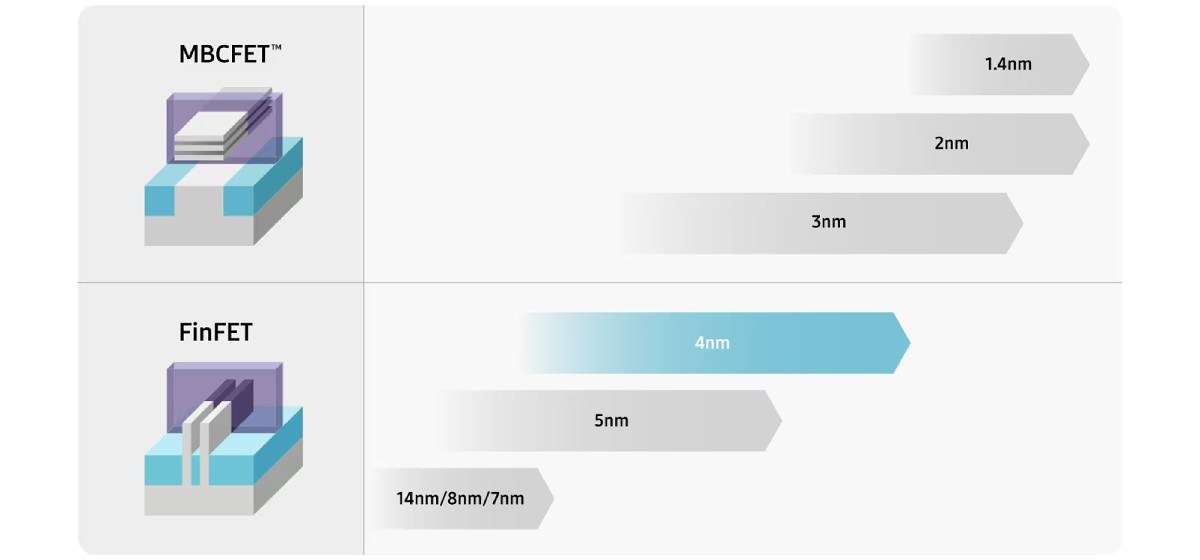
Samsung’s Foundry business saw lower earnings, again blamed on seasonal effects. However, the work on the 1.4nm node is on schedule and Samsung is looking for new customers for its 2nm node. For the second quarter, the Foundry business will try to boost earnings by increasing the supply of HBM4 dies.
You can check out the press release for details on Samsung’s other businesses like Harman, the Visual Display and Digital Appliances divisions.
The individual divisions have their ups and downs, but Samsung Electronics as a whole is in a great place – the KRW 133.9 trillion in consolidated revenue is an all-time high for the quarter. And it’s a massive 43% increase from the last quarter of 2025. Operating profit is at an all-time high as well, reaching KRW 57.2 trillion.
For reference, in Q1 2025 Samsung Electronics reported a revenue of KRW 79.1 trillion and an operating profit of KRW 6.7 trillion.