








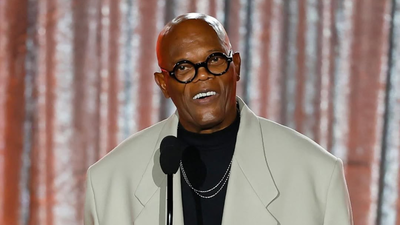
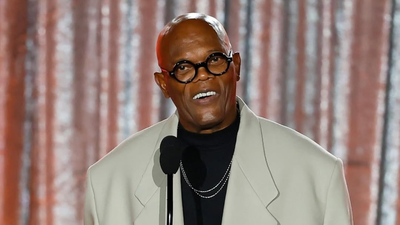
From stage struggles to the big screen, Samuel L. Jackson’s path reads like a Hollywood script packed with grit, comebacks, and blockbuster triumphs. Born in 1948 in Chattanooga, Tennessee, he grew up idolizing movies and found his calling in acting amid the Civil Rights Movement. His journey to becoming the king of franchises started humbly but exploded into a legacy of unforgettable roles across ‘Pulp Fiction,’ ‘Star Wars,’ and the Marvel universe.
Early days and breakthrough
Samuel Jackson cut his teeth in theater at Morehouse College and tackled addiction in the 1980s, emerging stronger by 1990. In an interview with the Hollywood Reporter, Jackson revealed that “i have been getting high since 15, 16 year) “All the people in rehab were trying to talk me out of it. ‘You’re going to be messing around with crack pipes. All your triggers will be there. Blah, blah, blah,’ ” Jackson said.“I was like, ‘You know what? If for no other reason than I never want to see you again.” But overcoming his addiction, only made him stronger than ever before.Spike Lee spotted his raw talent— giving him small parts in ‘School Daze’ (1988) and ‘Do the Right Thing’ (1989), according to IMDB.Mentored by Morgan Freeman, he hustled as a stand-in for Bill Cosby while grabbing bit roles in ‘Coming to America’ (1988). Then came ‘Jungle Fever’ (1991), where his raw portrayal of a crack addict earned a Cannes best supporting actor nod and put Hollywood on notice.
90s domination and iconic rules
The 1990s crowned Jackson a star. Quentin Tarantino cast him as Jules Winnfield in ‘Pulp Fiction’ (1994), delivering the electrifying “Ezekiel 25:17” speech that became a cinematic legend. He followed with ‘Jurassic Park’ (1993) as Ray Arnold, Die Hard with a Vengeance’ (1995) opposite Bruce Willis as Zeus Carver, and ‘A Time to Kill’ (1996), earning NAACP and Golden Globe nods. By decade’s end, over 50 films under his belt solidified his range from villains to heroes.
Franchise King: ‘Star Wars and Beyond’
Jackson’s franchise mastery shone as Mace Windu in the Star Wars prequels: ‘The Phantom Menace’ (1999), ‘Attack of the Clones’ (2002), and ‘Revenge of the Sith’ (2005). His purple lightsaber-wielding Jedi became a fan-favorite tough-love figure. He voiced ‘Frozone’ in ‘Pixar’s Incredibles’ (2004, 2018) and popped up in Tarantino gems like Kill ‘Bill Vol. 2 ‘ (2004).
Marvel’s Nick Fury era
In 2008, Jackson’s likeness inspired Marvel’s Ultimate Nick Fury, leading to a nine-film deal starting with Iron Man. As the eye-patched S.H.I.E.L.D. director, he anchored the MCU across ‘Iron Man 2’ (2010), ‘Thor’ (2011), ‘The Avengers’ (2012), ‘Captain America: The Winter Soldier’ (2014), ‘Avengers: Age of Ultron’ (2015), and ‘Endgame’ 2019), plus ‘Spider-Man: Far from Home’ (2019) This made him the top-grossing actor ever, with billions at the box office.
Legacy of versatility
Beyond franchises, Jackson shone in ‘Shaft’ (2000, 2019), ‘Kingsman’ (2014), ‘Kong: Skull Island’ (2017), and ‘The Hitman’s Bodyguard’ (2017). At 77, he keeps pushing in films like 2026 projects, blending action, drama, and voice work.