








Introduction
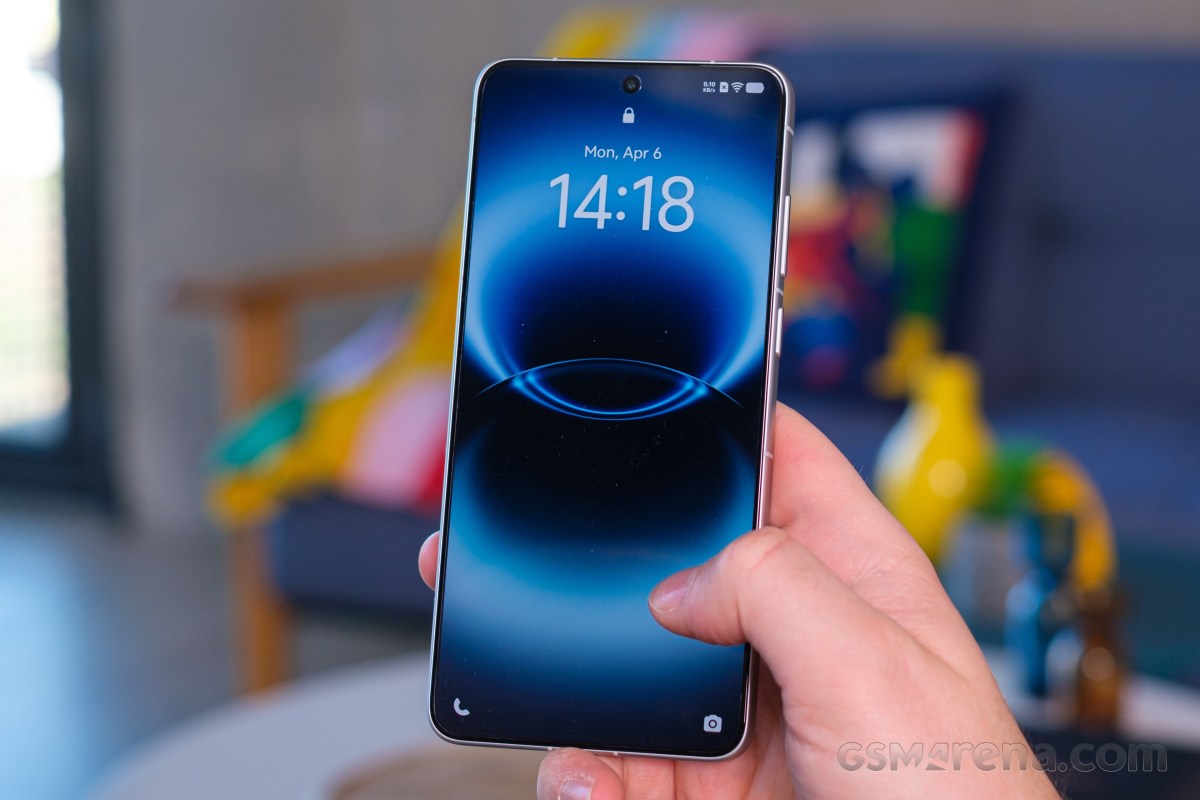
While there are an increasing number of “Ultra” devices on today’s market, few arguably justify that slogan quite like vivo’s flagships. Today, we’ll be taking a closer look at the latest vivo X300 Ultra. We actually have both a Chinese unit and a global unit at our disposal, so we will be comparing and contrasting these two where applicable. There is also a third option – the European variant, which has a slightly smaller 6,400 mAh battery as opposed to the 6,600 mAh unit on the global unit, but we don’t have this one.
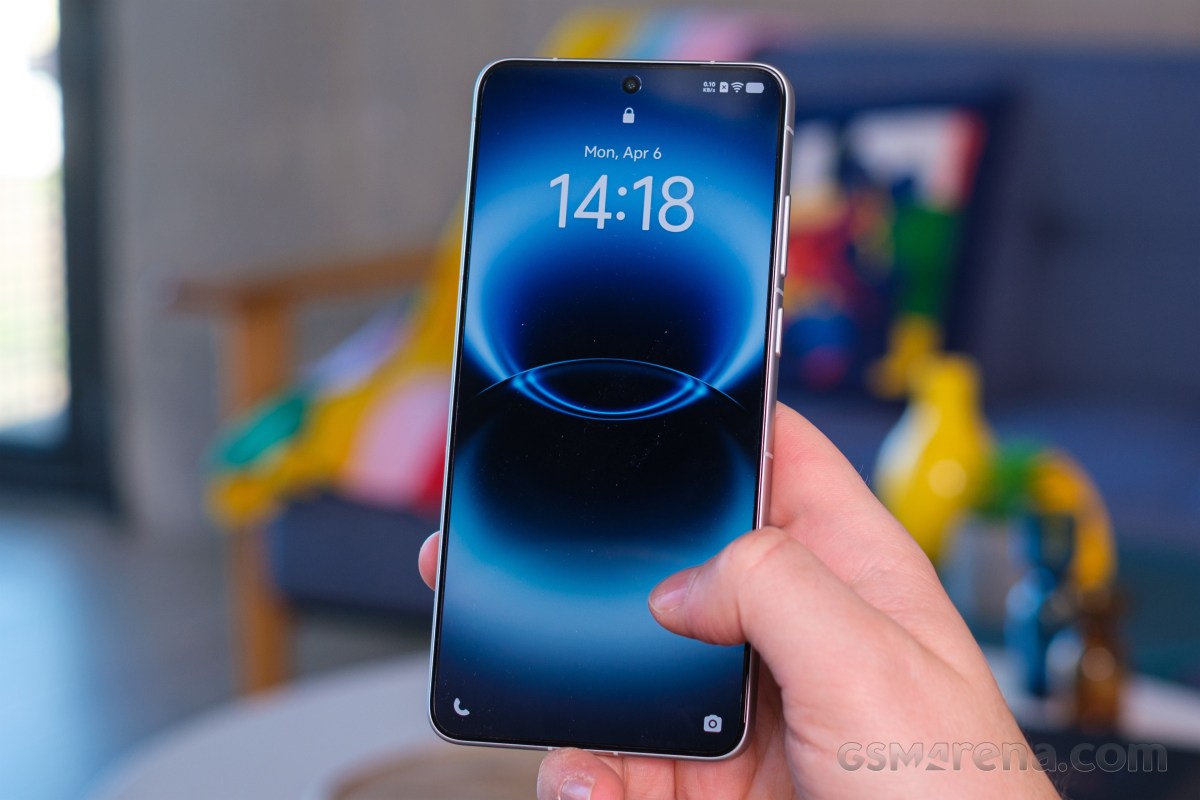
The X300 Ultra definitely takes after its X200 Ultra predecessor and refines things further, or at least switches things around, particularly when it comes to the camera department. There is a new 200MP main camera at the helm, which is up from a 50MP unit on the X200 Ultra and has a bigger sensor, but also a dimmer f/1.9 lens. Even though it looks identical, the telephoto camera has been upgraded to the latest HP0 200MP sensor. It is the same size as last year but promises two times faster autofocus and better stabilization. Again, however, a dimmer f/2.7 lens, which is a notable step back from the f/2.3 one on the X200 Ultra.
vivo X300 Ultra specs at a glance:
- Body: 163.0×76.8×8.2mm, 232g; Glass front, glass back, aluminum frame; IP69/IP68 dust tight and water resistant (immersible up to 1.5m for 30 min).
- Display: 6.82″ LTPO AMOLED, 1B colors, 144Hz, 2160Hz PWM, Dolby Vision, HDR10+, HDR Vivid, 1440x3168px resolution, 19.8:9 aspect ratio, 510ppi; Ultra HDR image support.
- Chipset: Qualcomm SM8850-AC Snapdragon 8 Elite Gen 5 (3 nm): Octa-core (2×4.6 GHz Oryon V3 Phoenix L + 6×3.62 GHz Oryon V3 Phoenix M); Adreno 840.
- Memory: 256GB 12GB RAM, 512GB 12GB RAM, 512GB 16GB RAM, 1TB 16GB RAM; UFS 4.1.
- OS/Software: Android 16, OriginOS 6.
- Rear camera: Wide (main): 200 MP, f/1.9, 35mm, 1/1.12″, 0.7µm, PDAF, gimbal OIS; Telephoto: 200 MP, f/2.7, 85mm, 1/1.4″, 0.56µm, multi-directional PDAF, OIS, 3.7x optical zoom, macro 3.4:1; Ultra wide angle: 50 MP, f/2.0, 14mm, 116-degree, 1/1.28″, 1.22µm, dual pixel PDAF, OIS;
- Front camera: 50 MP, f/2.5, 24mm (wide), 1/2.76″, 0.64µm, AF.
- Video capture: Rear camera: 8K@30fps, 4K@24/30/60/120fps (10-bit Log, Dolby Vision HDR), 1080p@30/60/120/240fps, gyro-EIS, HDR10+; Front camera: 4K@30/60fps, 1080p@30/60fps, gyro-EIS, HDR.
- Battery: 6600mAh; 100W wired, PD, PPS, QC, UFCS, 40W wireless, Reverse wired, Reverse wireless.
- Connectivity: 5G; Wi-Fi 7; BT 5.4, aptX HD, aptX Adaptive, LHDC 5; NFC; Infrared port.
- Misc: Fingerprint reader (under display, ultrasonic); stereo speakers; Emergency SOS via satellite (calls, messages) – 16GB + 1TB model only.
By the way, we have the new Photography Kit along with the X300 Ultra for review. It has grown substantially in terms of accessories. Priced at €599 (but 50% off with an X300 Ultra pre-order), the kit features a lot of… well, kit. Our collection contains the two new teleconverter lenses – the 400mm and 200mm, though the price we quoted only has the 400mm. There’s also the case, the detachable grip with a shutter button and camera controls, a few filter rings, a few lens caps, and a new leather strap with quick-release attachments for the phone itself.
Photography aside, there are still some noteworthy changes introduced with the X300 Ultra. Design-wise, the two phones are very similar, but vivo went for a notably flatter design this year. Gone are the subtle curves on the front and back. The middle frame has become wider, too, though on paper, the X200 is the thicker phone. That certainly doesn’t feel like the case in person, though.
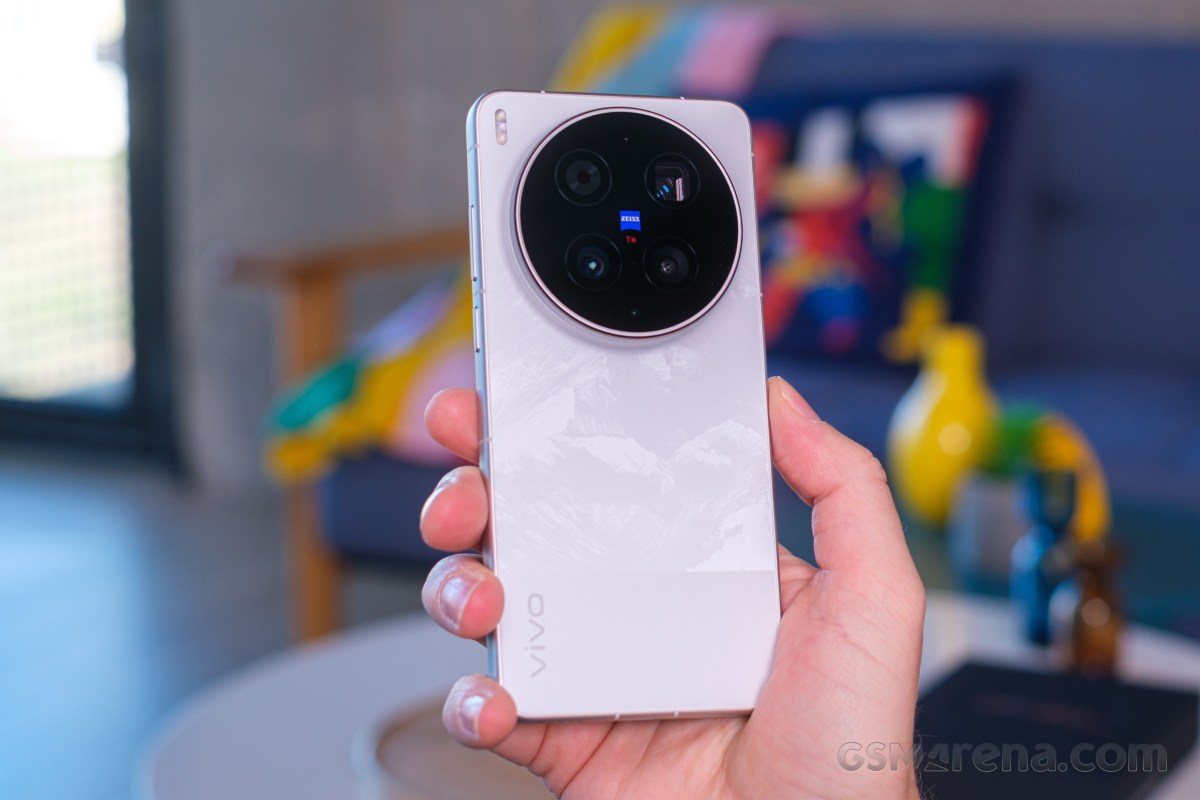
Vivo also upgraded the display a bit, pushing the refresh rate to 144Hz. Of course, the chipset has been swapped for the latest and greatest Snapdragon 8 Elite Gen 5. There are some battery and charging tweaks this year as well. For one, the battery capacity has grown from 6,000 mAh last year to 6,600 mAh this year, at least on the international units. The European models have a 6,395mAh pack instead, which, in isolation, is still a notable upgrade.
Unboxing
The X300 Ultra comes in a typical rectangular two-piece cardboard box. Black with silver embossed lettering – another vivo staple. Vivo is seemingly still not on board the eco-friendly bandwagon with its packaging, instead opting for a large plastic cradle to keep the phone and its accessories safe.
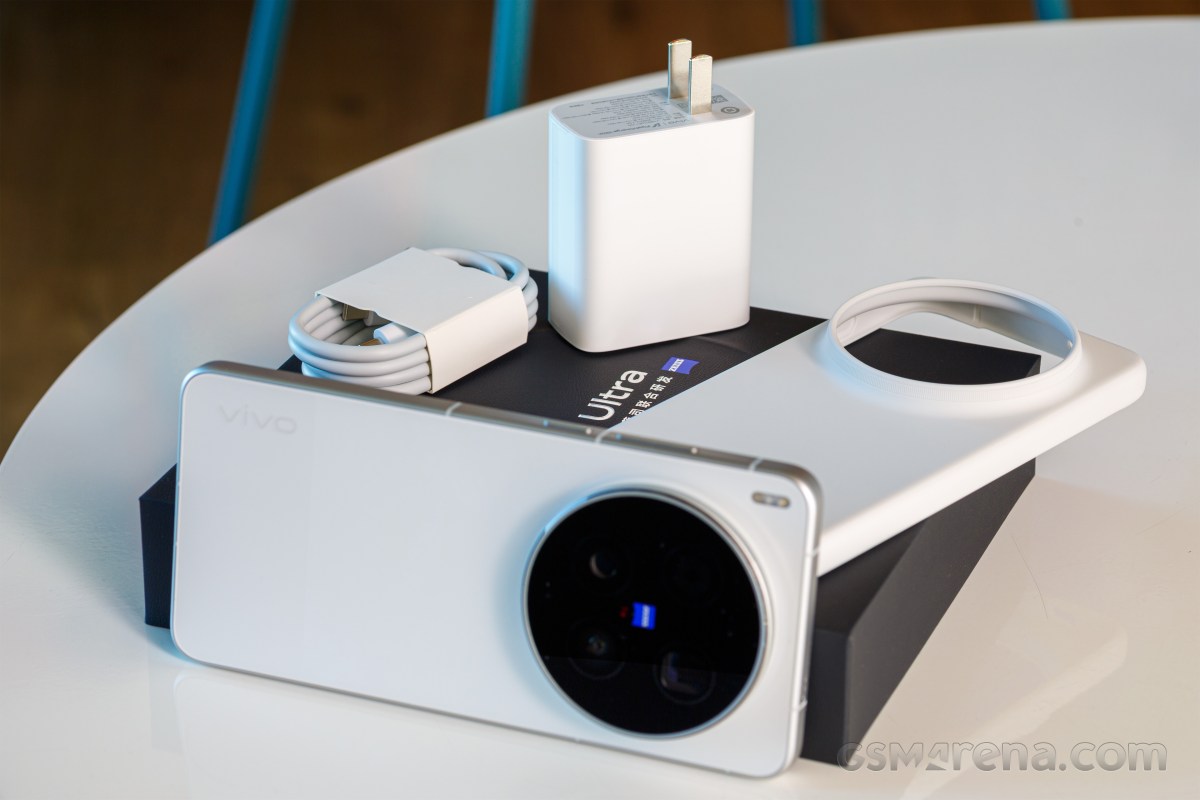
Speaking of accessories, you get plenty, especially in the international version we have here. This one gets an updated 100W vivo charger in the box with a Type-C port on the charger, instead of a Type-A port. For better or worse, the charger won’t be in the box for European units due to local regulations.
Beyond that, buyers get a nice, thick USB Type-C to Type-C cable. The cable is e-marked and is rated for 5Amp support. There is even a small text on the end plug that suggests it is good for up to 9.2A of current.
Finally, there is also a very nice, soft, color-matched TPU case in the box so you can start using your shiny new phone right away.