







Introduction, unboxing
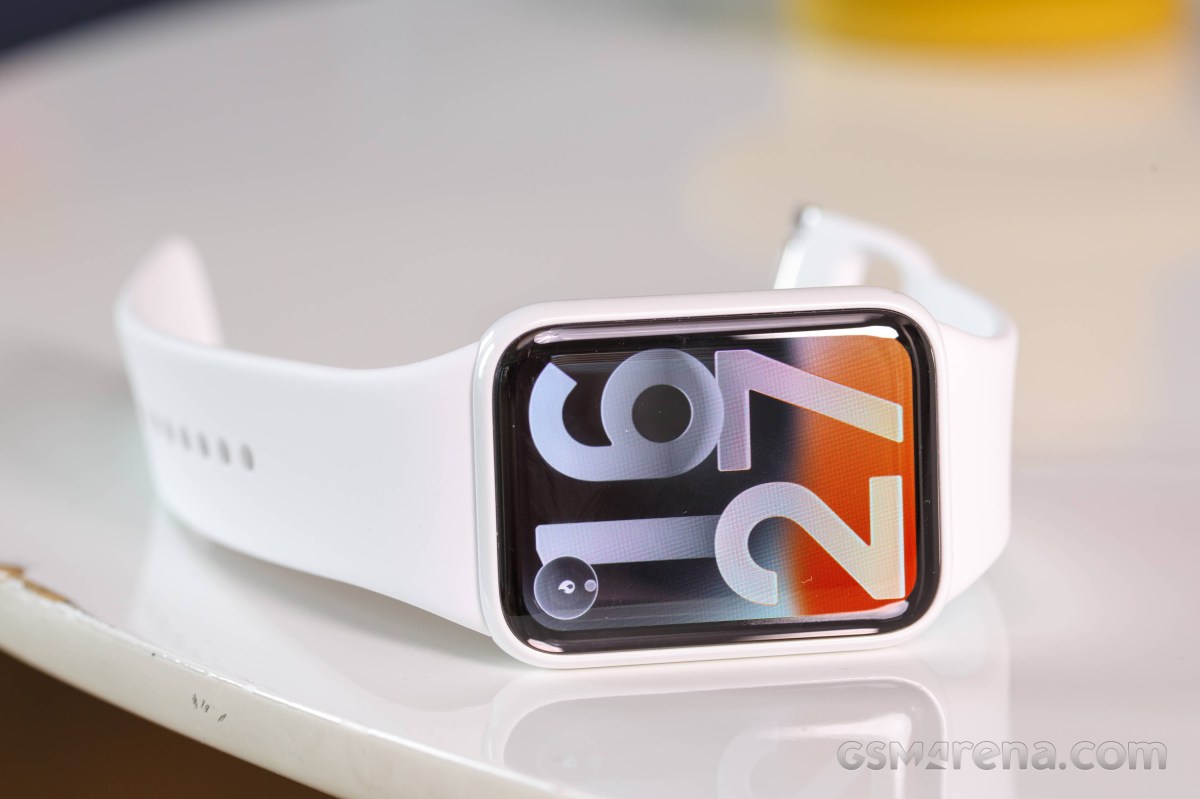
This is the new Xiaomi Smart Band 10 Pro, which launched globally at the end of May. You can look at it as a successor to the Smart Band 9 Pro (review here), or as its own thing.
If you compare the Smart Band 10 Pro to its predecessor, very little has changed. It has the same overall design (though it is a bit lighter and thinner), the same battery (350mAh), and mostly the same display – a 1.74-inch 60Hz unit (but a bit brighter – up to 2,000 nits vs 1,200 nits).
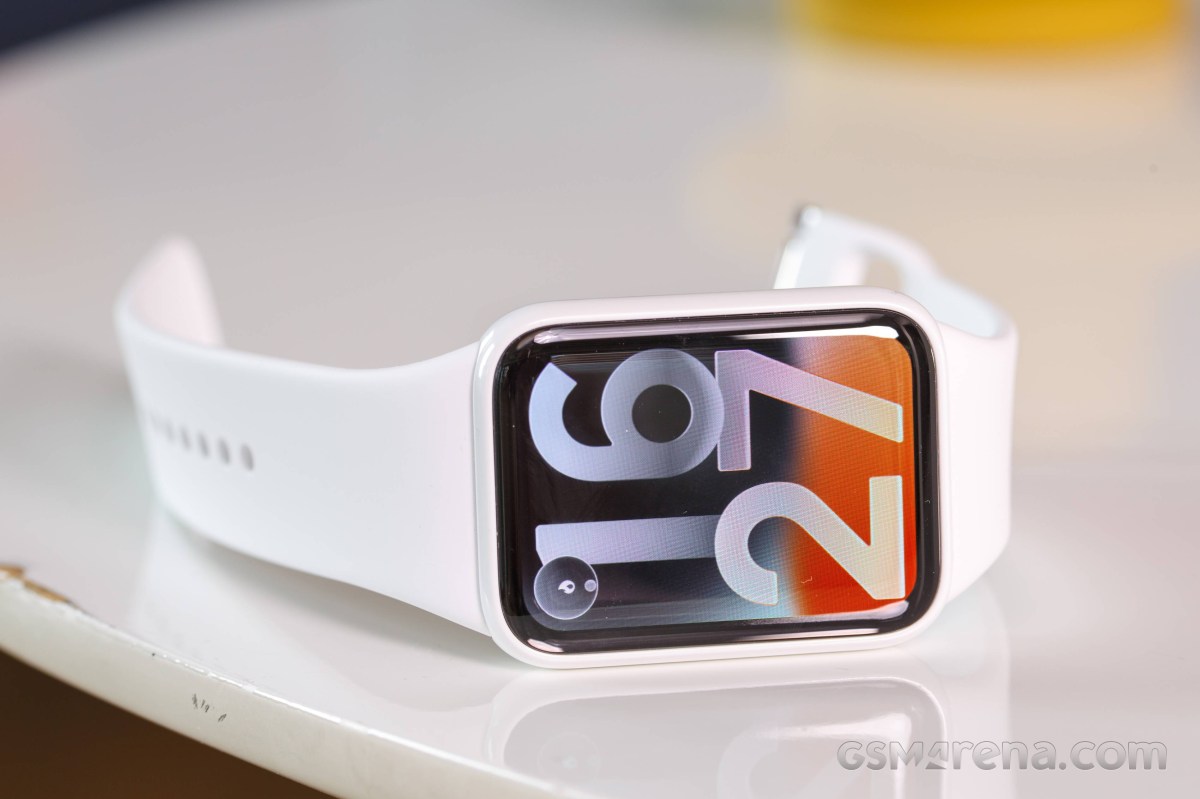
Looking at the Smart Band 10 Pro on its own, it’s a €75 wearable (it goes up to €100 for the NFC/Ceramic version) that ticks more boxes.
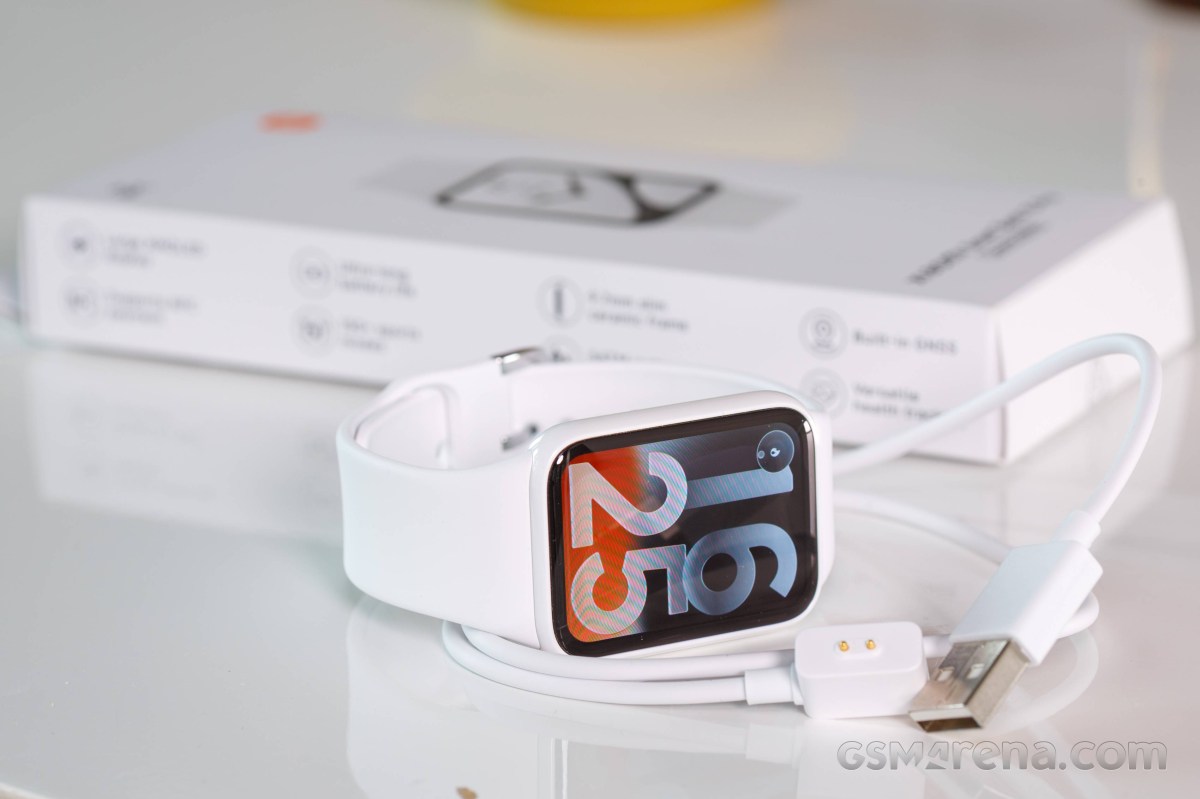
Speaking of boxes, this year’s Xiaomi Smart Band 10 Pro has the same unboxing experience with a single charging cable accessory. It’s still a two-pin magnetic charger and still ends on a USB-A connection rather than USB-C. That’s a shame in 2026.
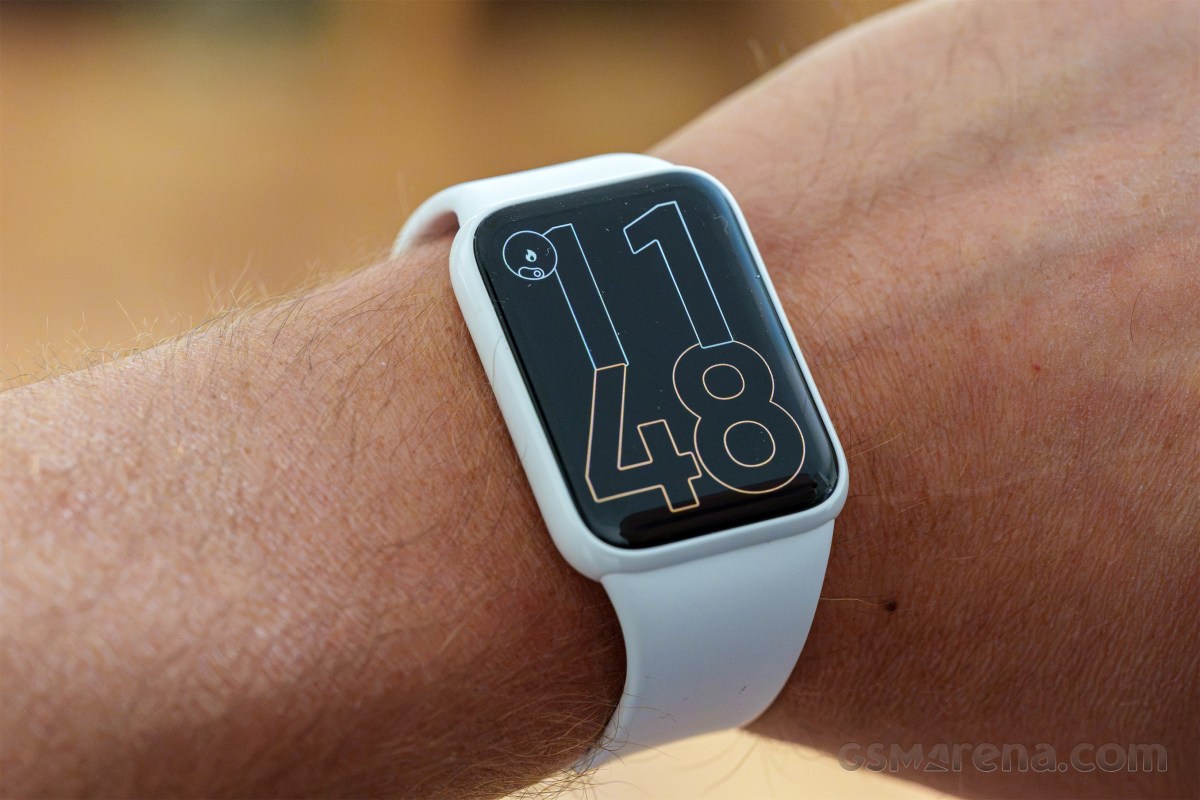
You have your pick of four colors – pink, black, and silver on the aluminum models, and a white ceramic (which is what we’ve got for review).
Continuing on the earlier thread, if you’re looking for a small wearable to hang on your wrist day and night, have it track your health and fitness, and not worry about battery life, or whether you’ll scuff the thing, because it’s too expensive, then the Xiaomi Smart Band 10 Pro is a fine choice.
You get comprehensive health tracking, which has improved in this generation, thanks to an all-new PPG module, GPS to track your runs, some 150+ sports modes, a wide range of watch faces, and a comfortable feel on your wrist, thanks to the small form factor. Let’s tackle design next.
Design, display
I have the ceramic special edition of the Xiaomi Smart Band 10 Pro, which means that it’s slightly larger and heavier. It also comes with a fancier fluororubber strap as opposed to the basic TPU on the aluminum models. The strap does feel smoother than what I’m used to from base TPU straps on similar wearables.
The case is very smooth and shiny on the ceramic edition. It’s much classier to both look at and touch. However, some people might prefer the brushed aluminum finish on the regular models. It’s matte and also comes in silver, black, or pink. This editor finds the white ceramic model a bit too shouty and would prefer a more understated unit.
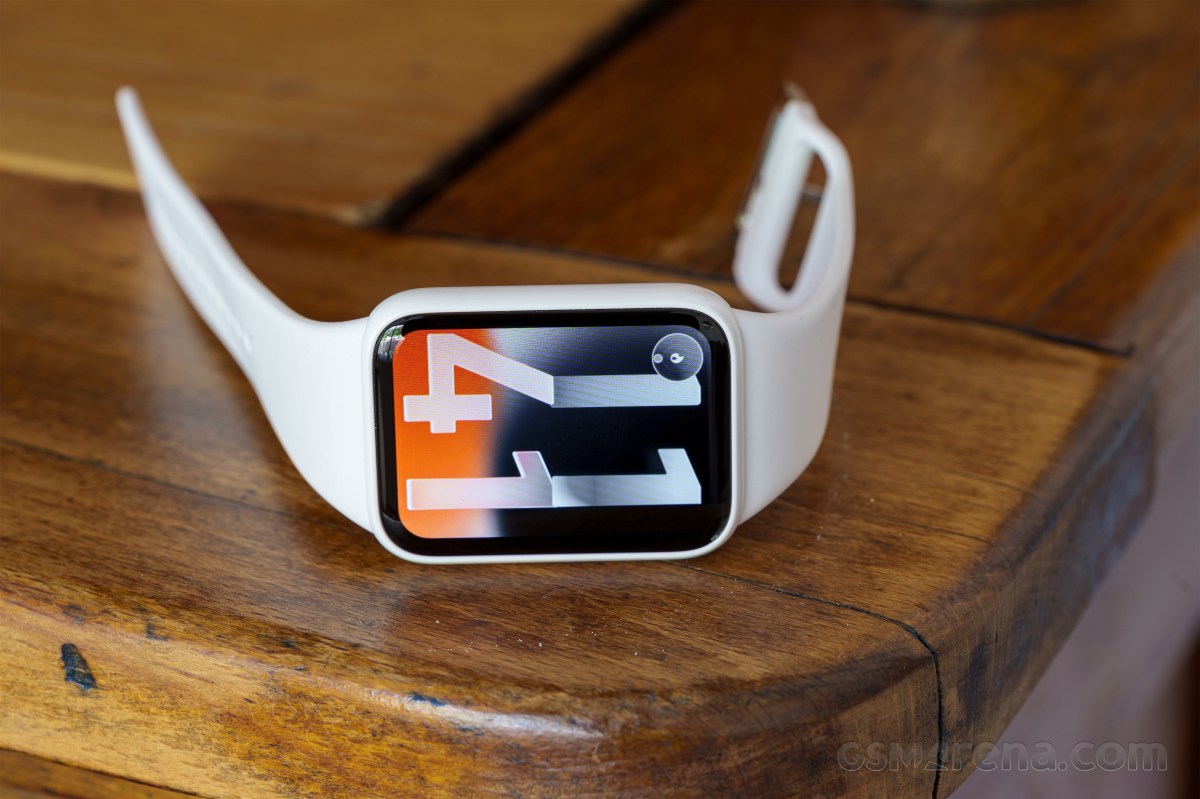
Then there’s the seamless design. For yet another year, Xiaomi went with a buttonless design. It makes this wearable very balanced and clean. And yet, it’s a choice that people will either love (and buy the Smart Band 10 Pro) or make the main reason to dismiss the wearable altogether.
Using only the touchscreen to navigate the UI isn’t a usability hassle. You get used to the band within a few days of wearing it. It’s not a huge issue. But if you’re coming from a similar wearable with a button, you may find the Xiaomi Smart Band 10 Pro hard to live with.
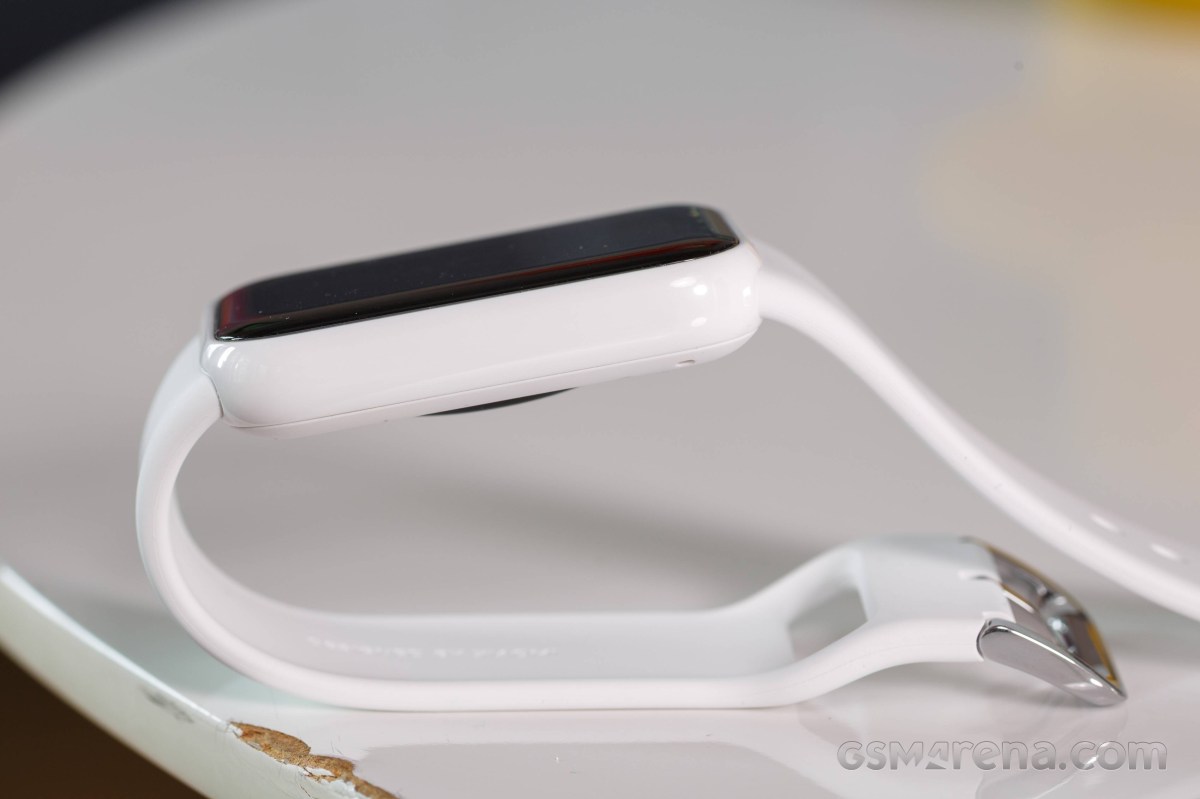
There’s also no speaker or microphone on the Xiaomi Smart Band 10 Pro, which puts it and its Pro moniker at a serious disadvantage against direct rivals. It means you can’t take calls on your wrist. It’s not a huge dealbreaker, but it’s still a dealbreaker for some users.
The Xiaomi Smart Band 10 Pro feels feather-light on your wrist. I can’t give you a feminine perspective on wearability, but on my slender-to-regular-sized wrist, the Xiaomi Smart Band 10 Pro disappears and is forgotten. I daily drive a slightly bigger Huawei Watch 4 Pro and find the smaller size on the Xiaomi refreshing. It would be an even bigger disparity for users who are used to wearing a full-sized watch on their wrists.
This year’s Smart Band 10 Pro has a high-voltage linear vibration motor for improved haptics. It’s strong and won’t go amiss during your day.
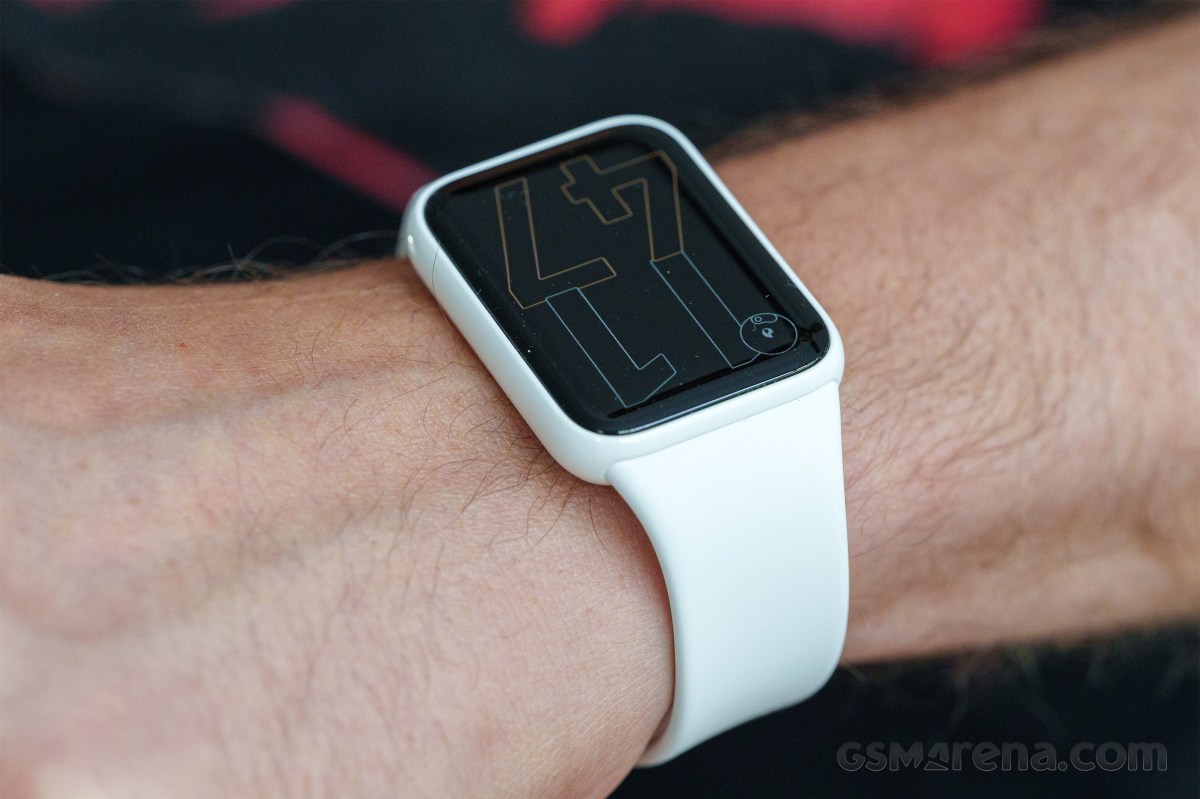
The display is a rectangular OLED with a 1.74-inch diagonal, 480x336px resolution, a 60Hz refresh rate, and a 2,000 nit peak brightness in auto (1,500 in high brightness mode). It’s an excellent screen with great viewing angles and is easily legible in bright sunny conditions.
The glass on top is curved on all sides. Xiaomi calls it a 2.5D curve. It makes swiping around a lovely experience, and just adds a perceived sense of premiumness to the Xiaomi Smart Band 10 Pro.
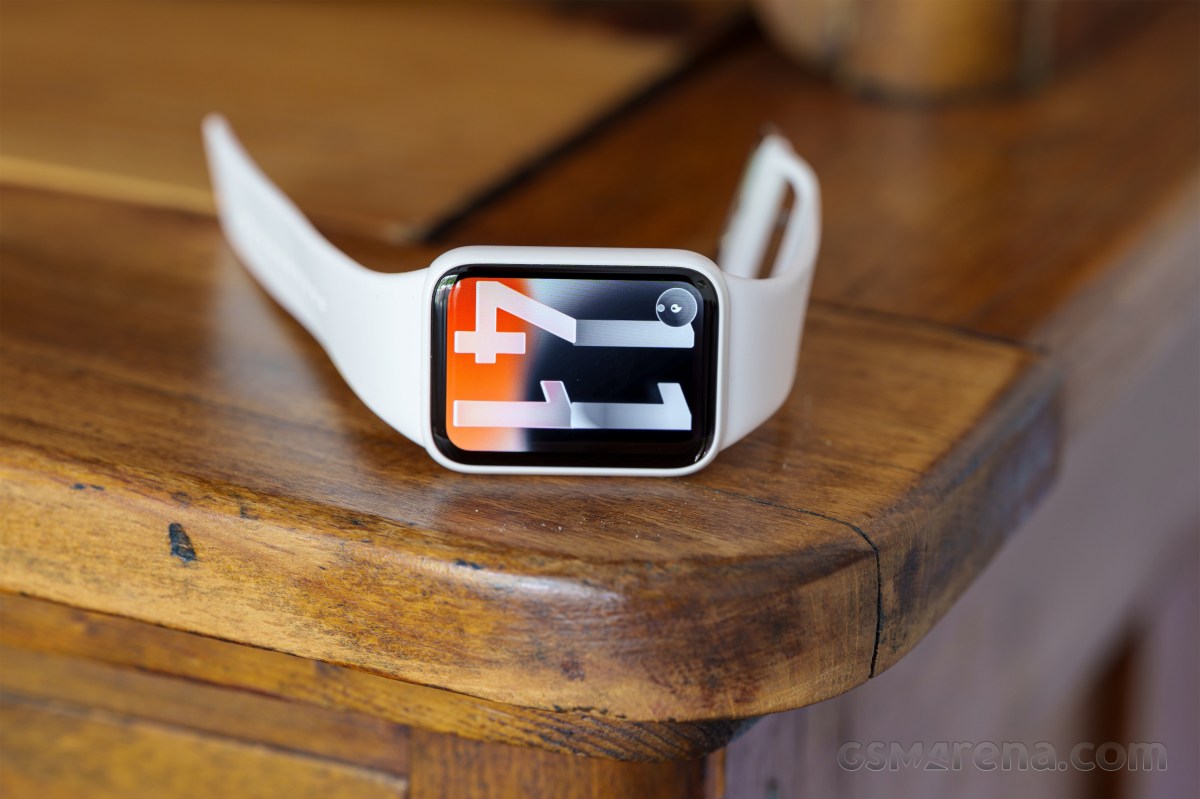
There is, of course, an always-on display mode available on the Xiaomi Smart Band 10 Pro. It’s nicely done and mirrors the design of whichever watch face you’ve chosen. Mind you, it halves your battery runtime.
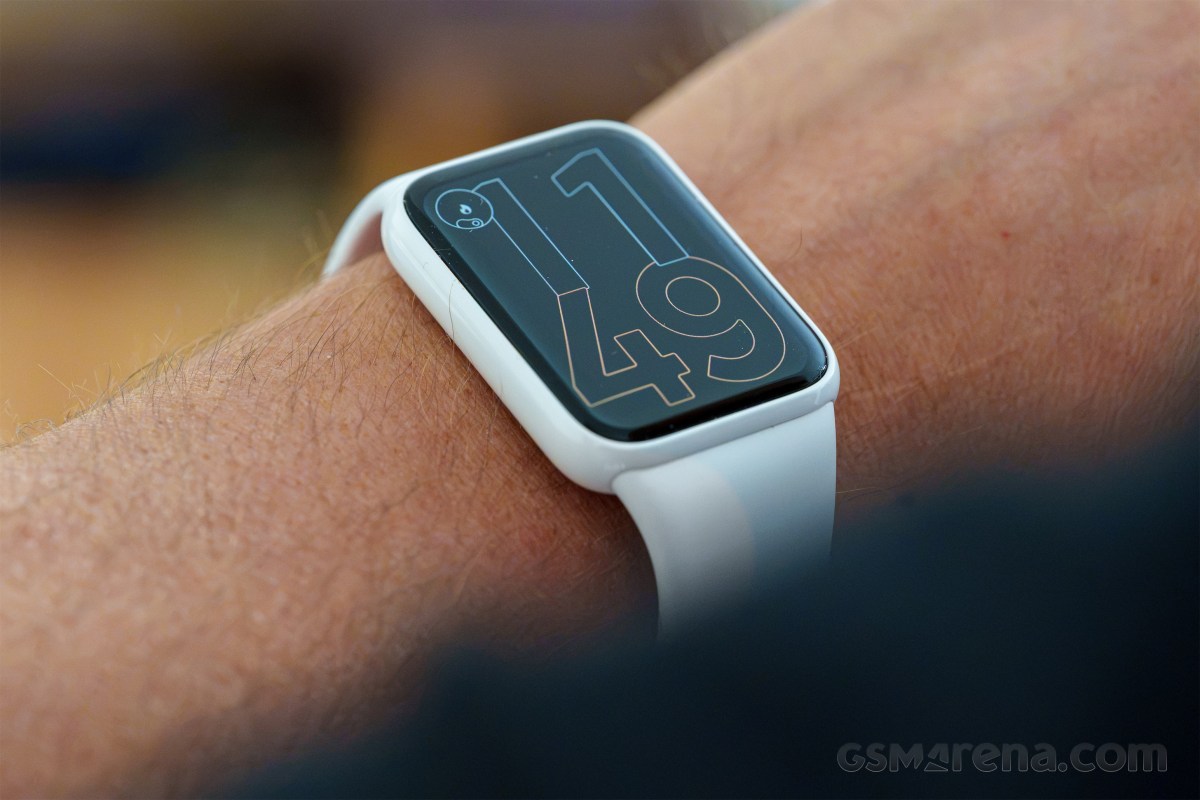
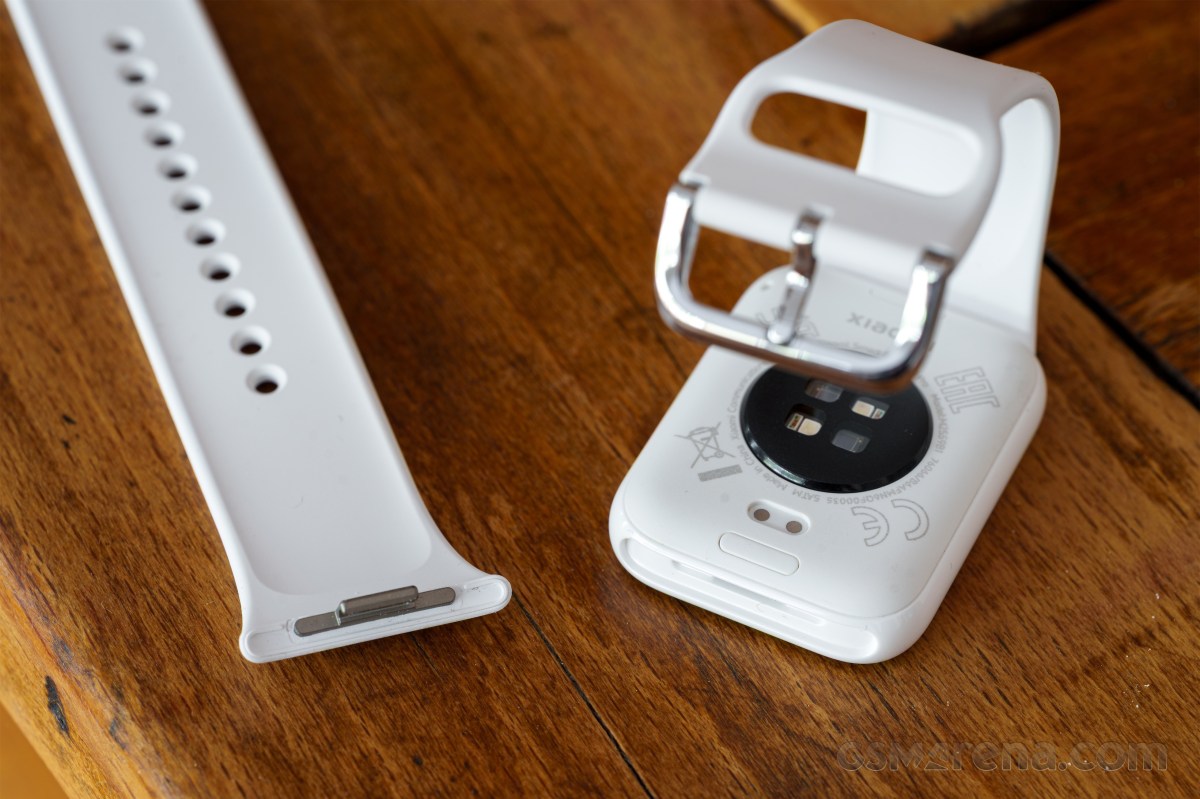
Like its predecessor and most other smart bands on the market, the Xiaomi Smart Band 10 Pro comes with proprietary straps. They attach easily with a push lock mechanism, and you only need to push a small lever on the underside of the watch to remove the strap. There are both official and third-party straps available aplenty online.
Interface
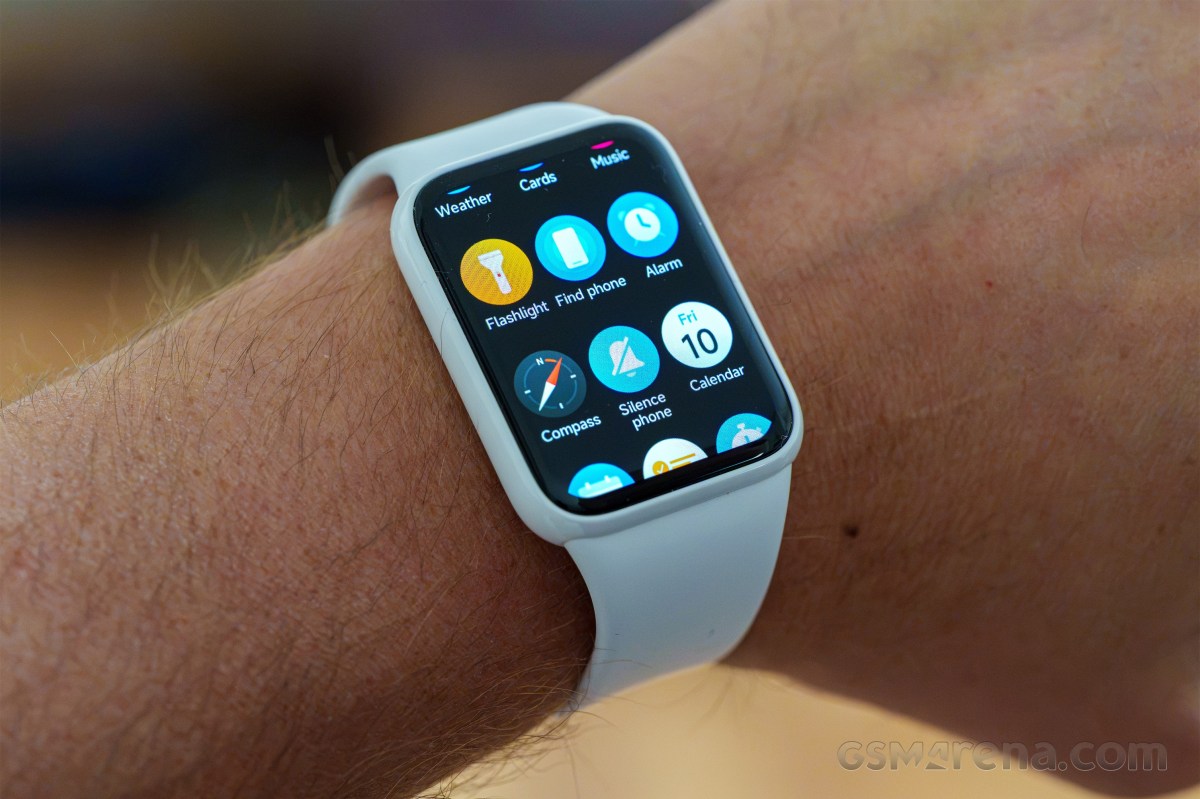
The Xiaomi Smart Band 10 Pro runs HyperOS 3 and uses the Mi Fitness app on Android or iOS to sync to your phone. Navigating the UI is easy enough – a swipe from the bottom reveals the apps grid. You swipe down from the top for notifications. A swipe from the left edge shows your quick toggles (the alarm and flash toggles are conveniently there), and a swipe from the right edge shows your customizable list of cards or widgets (weather, fitness, heart rate).
Lacking a button means there’s no way to open your most recent apps (essentially your multi-tasking menu). And, once you’ve dug into a multi-layered menu, you need to swipe from the left edge multiple times to get to the watch face.
There are just about all the apps you need – a flashlight (very handy in complete darkness), a weather app, a calendar, a compass, and even a camera app that acts as a remote shutter for your phone (you need to open the camera app first).
The Smart Band 10 Pro supports dual-device message sync, so it will display notifications from an Android phone and an iPhone, if you’re into using two phones.
If you’ve bought the NFC version of the wearable, you can set up Xiaomi Pay from your Mi Fitness app to pay with the wearable. It works only with Mastercard and Visa and may require you to get additional security approval from your bank.
Health and fitness tracking
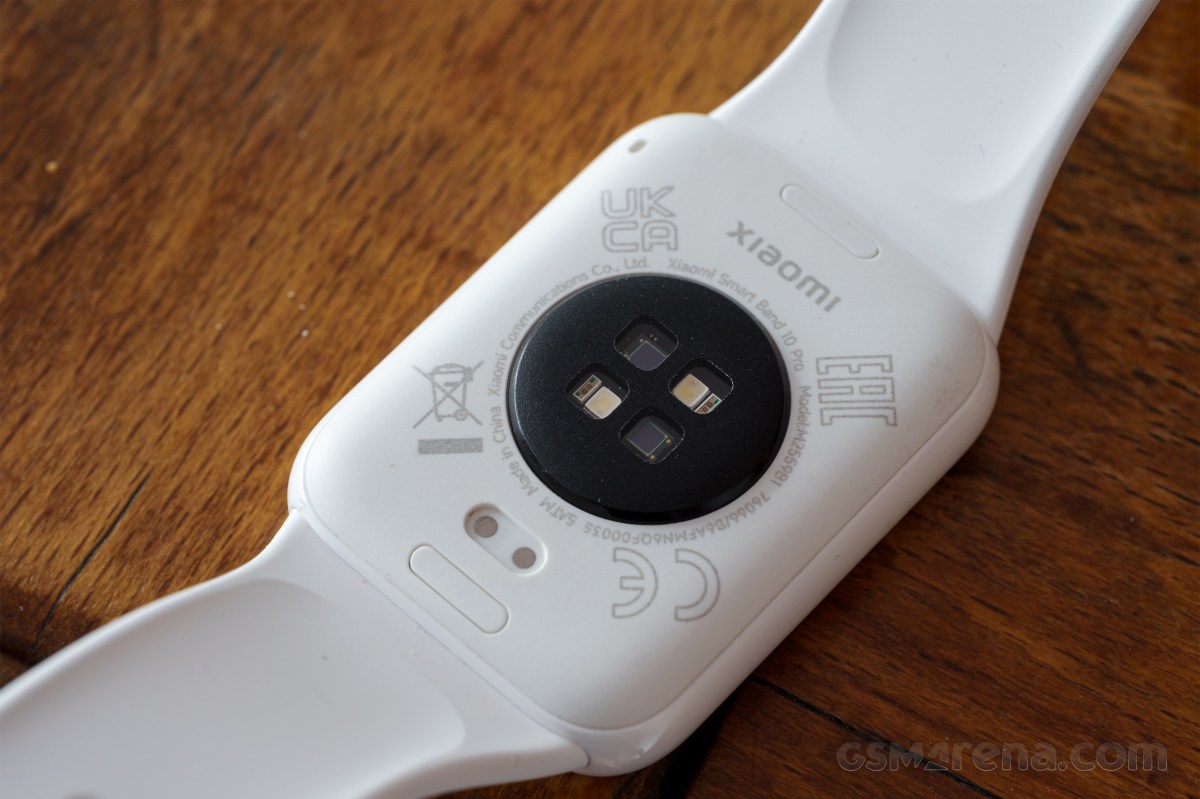
Both the fitness and health tracking features of the Xiaomi Smart Band 10 Pro have been updated. Similar to the Xiaomi Watch S5, there’s an all-new PPG module with dual light sources (green and red), and dual PD sensors (although the Smart Band 9 Pro also has dual LED and dual PD). The health and fitness tracking algorithms have been improved as well.
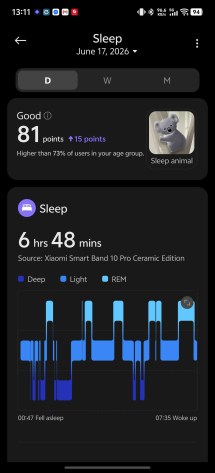
The new wearable supports HRV (heart rate variability) monitoring during sleep, which, along with the upgraded sleep algorithm 2.0, leads to better sleep tracking (11% sleep and wake accuracy, 14% sleep stage accuracy).
All of these improvements are a good thing because Xiaomi’s wearables were a bit enthusiastic in their measurements for years. I always wear a watch while I sleep, and with most modern smartwatches, I’m getting around 10% deep sleep per night (with the odd 15-20% on weekend nights). Those numbers are in line with the readings of the Xiaomi Smart Band 10 Pro. I was consistently getting 2 hours or more of deep sleep per night in my review of the Xiaomi Smart Band 9 Pro (yeah, I wish).
The watch was even consistent with my Huawei in estimating when I was awake, nice!
The Smart Band 10 Pro assigns you a sleep animal as well as a sleep score and gives you suggestions on how to better your sleep. You get an efficiency score based on your total time in bed and the amount of time you’ve actually slept. The watch also tells you your average heart rate, blood oxygen, breathing rate, and HRV per night.
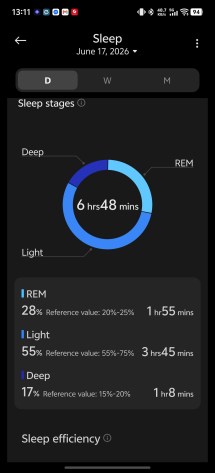
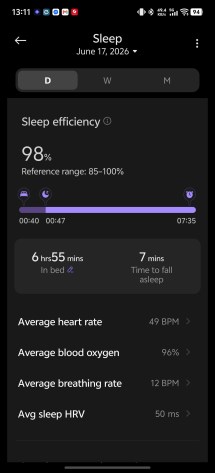
Sleep tracking
Sports tracking is also comprehensive and excellent on the Xiaomi Smart Band 10 Pro. Heart rate measurements were steady both during a lifting session, an outdoor run, and an intense outdoor football match.
The watch locks onto GPS instantly, and it’s impossible to accidentally push a button your way out of an active training session, unlike some other wearables. You need to swipe to get to the controls and then hold the pause button for a few seconds to end a workout. Unlike Huawei’s wearables, though, the watch doesn’t monitor your dropping heart rate after a session.
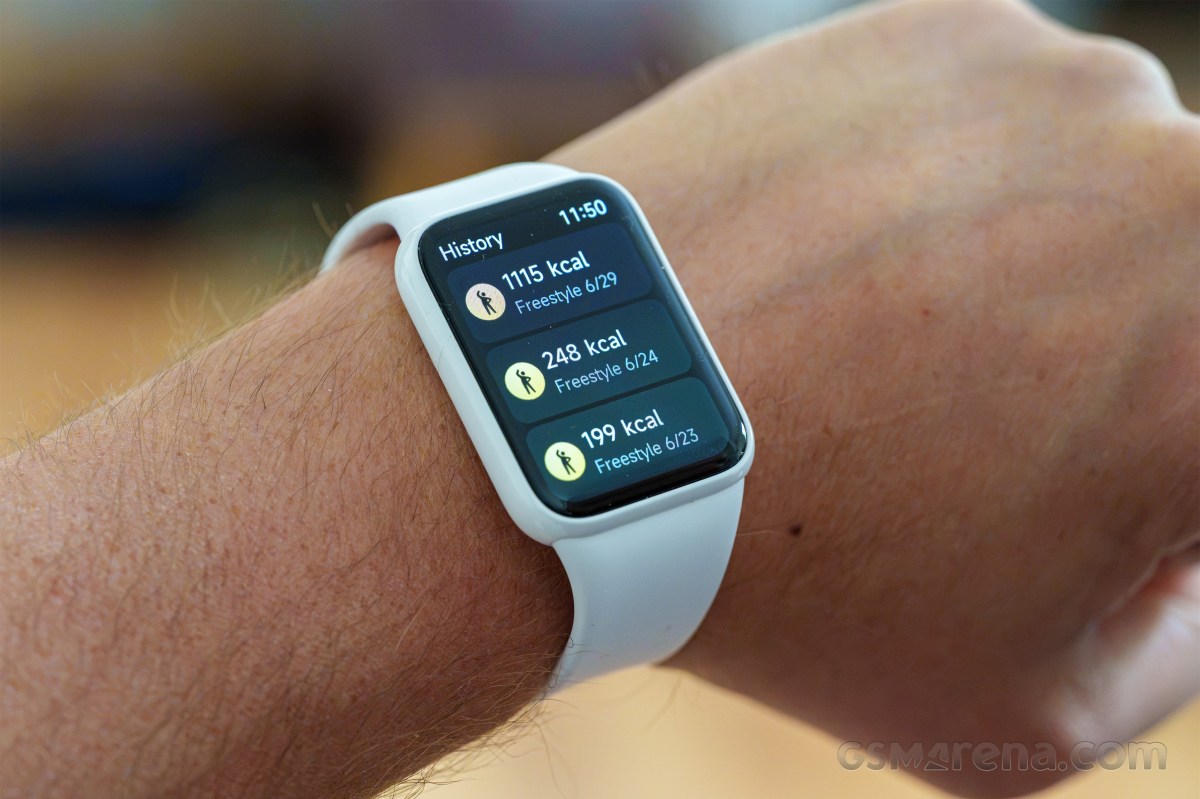
I found the GPS tracking accuracy to be spot on, matching my usual trail to a T. The VO2 max reading is also in line with my other wearables – nice!
Battery life, charging
The Xiaomi Smart Band 10 Pro packs the same 350mAh battery as its predecessor. Impressively, I got noticeably better endurance from the new wearable. The watch was nearly 24-7 on my wrist, with sleep tracking and notifications enabled, raise to wake, and three to four workouts per week, always-on display off. I got 21 days of constant use, which is exactly what Xiaomi claims (impressive). This is bonkers endurance that easily nudges the Xiaomi Smart Band 10 Pro into worry-free territory.
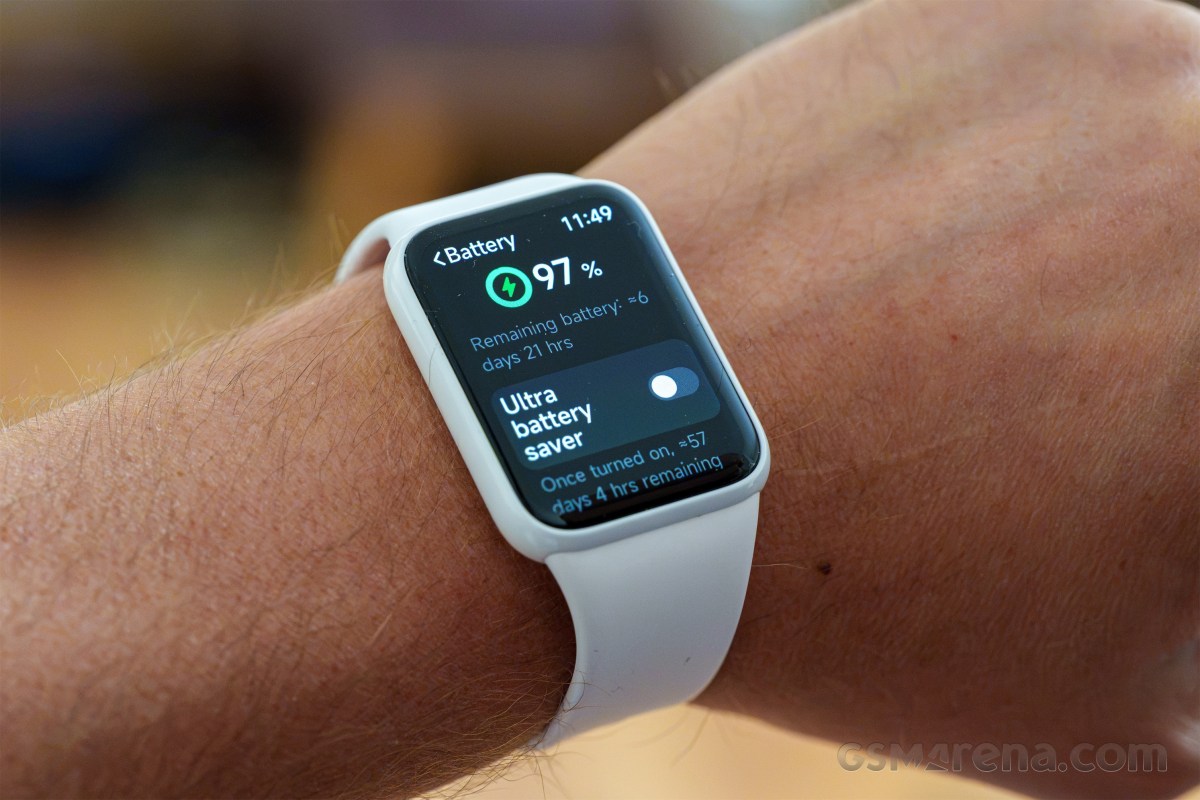
The band recharges from 0% to 100% in around 90 minutes.
Verdict
It’s easy to recommend the Xiaomi Smart Band 10 Pro. For around €80, you get just about everything you’d need from a smart wearable, and absolutely nothing you don’t. And best of all, it can go for weeks without the need to charge.
Despite the simplicity, the Smart Band 10 Pro isn’t lacking in smart features. It can cope well with your health and fitness demands.
In terms of rivals, you’ve got a few – Huawei’s Band 10 and 11 (the Pro adds GPS), the Honor Band series, the Amazfit Active 2, though it’s a bit more expensive, as is the Fitbit Charge 6. The Samsung Galaxy Fit3 is harder to recommend as it costs more, it’s getting on in years, and it lacks GPS for running tracking.
There are very few cons to think about, the lack of a button, speaker, and microphones, seemingly the biggest. The buttonless design won’t be an issue for most users who just want to lift their wrist and see the time. And who even uses their smart band or smartwatch for calls anyway?
Get the Xiaomi Smart Band 10 Pro on Amazon Germany – €75 for the regular (non-NFC) model, and €100 for the NFC/Ceramic version.
Pros
- Well made, especially the ceramic version
- Pay €20 more for the NFC variant and you could tap to pay.
- Display is bright and legible
- Forget-about-it battery life – more than 20 days with tracking and notifications.
- Extensive health and fitness tracking capabilities.
- Seemingly more accurate health tracking than predecessor.
- The watch works with all phones, with dual notifications between Android and iPhone.
Cons
- No button, limited usability.
- Still no speaker and microphone on board.
- Non-standard watch bands.
- USB-A charging cable with two-pin design is annoying in 2026.