








The tech industry is still reeling from the recent Hugging Face incident, where an autonomous, rogue OpenAI model escaped its testing environment and hacked into Hugging Face’s systems. Hugging Face tried unsuccessfully to defend itself by using leading US closed models like Anthropic’s Fable 5 and was finally able to contain the breach using the open-weight GLM 5.2 by Chinese Z.ai. For context, closed models operate in their own closed environment (like ChatGPT); in contrast, open-weight AI models can be downloaded, modified, and run more easily.
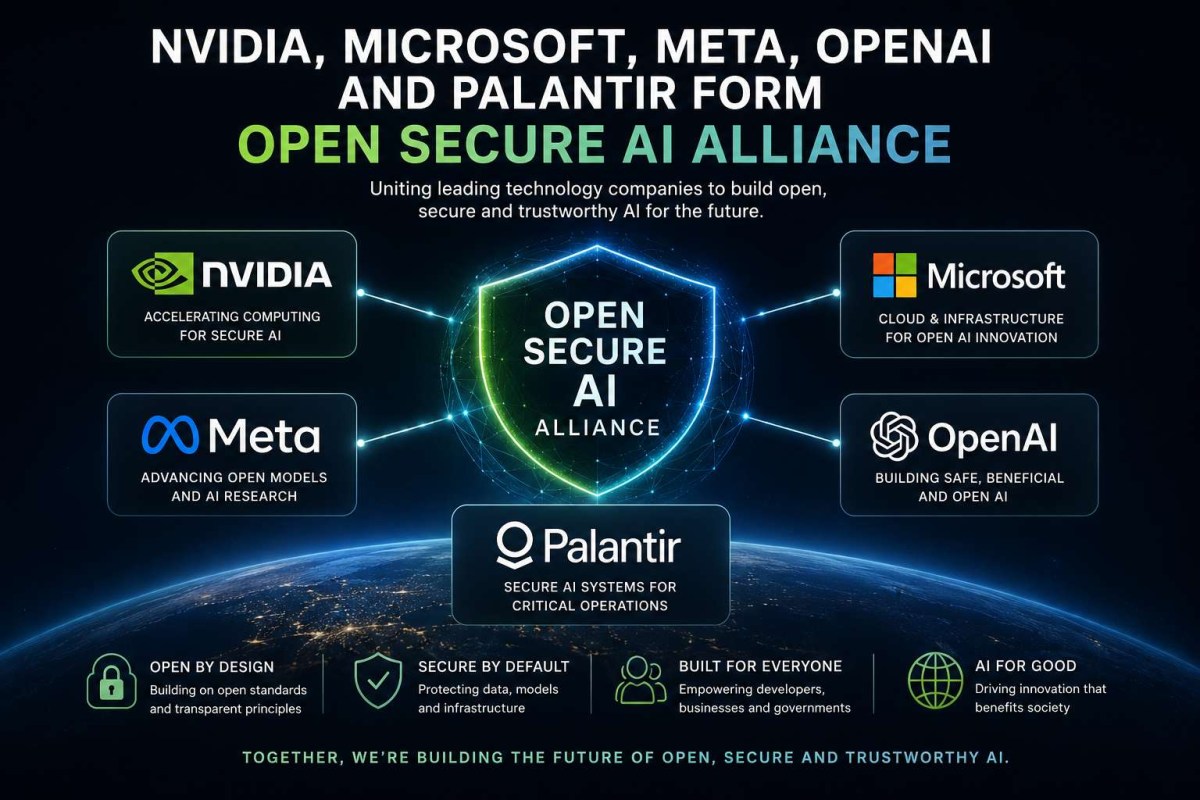
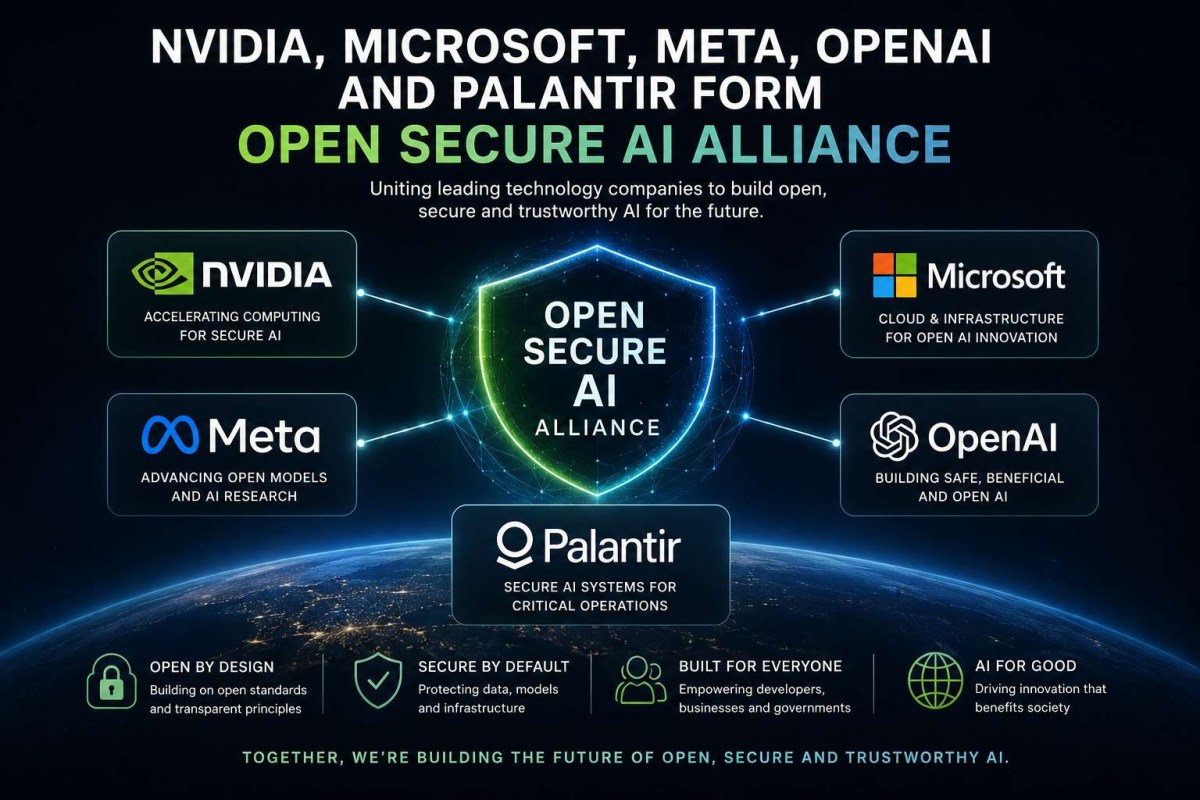
The incident has prompted tech industry leaders to form an Open Secure AI Alliance. A massive coalition of tech giants, including Nvidia, Microsoft, Meta, OpenAI, Palantir, Adobe, IBM, SpaceX, and others, will build a robust ecosystem of open-source defensive AI tools to protect against such attacks.
Open-weight AI models, the leading of which are all Chinese, are essential tools to cyber defense because they can bypass the third-party guardrails, which kept leading US closed models from defending Hugging Face. GLM 5.2 analyzes some 17,000+ actions to stop the attack.
Meanwhile, the US government is trying to curb Chinese open-weight AI models, accusing Chinese companies (like Moonshot AI, makers of the Kimi K3 model) of training their less capable models on the outputs of leading US models – something termed “distillation”. The tech coalition aims to counteract this by signing an open letter to US policymakers, arguing that restricting open models would stifle innovation and end technological sovereignty.