







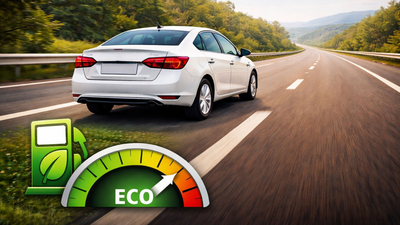
Rising fuel prices and increasing traffic congestion have made fuel efficiency a growing concern for car owners. Although modern vehicles are built with improved engines and technologies to deliver better mileage, fuel consumption still depends largely on driving habits and vehicle maintenance. Small changes in the way drivers accelerate, maintain speed and plan journeys can improve fuel economy and lower running costs. Efficient driving can also reduce vehicle wear and help limit emissions. In this article, let’s take a look at simple tips that help improve your car’s fuel efficiency.Avoid sudden accelerationAggressive acceleration is a common reason for higher fuel use. Pressing the accelerator sharply forces the engine to burn more fuel to produce additional power. Gradual acceleration allows the engine to work more efficiently. Drivers who increase speed smoothly rather than abruptly can reduce fuel consumption, particularly in city traffic where frequent stops are common.Maintain a steady speedDriving at a consistent pace can improve fuel efficiency. Frequent speed changes require the engine to work harder and use more fuel. Maintaining a stable speed on highways helps the vehicle operate within its efficient range. Cruise control, where available, can help maintain speed and limit unnecessary acceleration.
Avoid excessive idlingKeeping the engine running while the vehicle is stationary uses fuel without covering distance. Idling often occurs in traffic jams, at railway crossings or while waiting. If a vehicle is likely to remain stationary for more than a short time, switching off the engine can help save fuel. Many newer cars are equipped with start-stop systems designed to reduce fuel consumption during idle periods.Anticipate traffic conditionsDrivers who read traffic conditions in advance can avoid frequent braking and acceleration. Maintaining a safe gap from the vehicle ahead allows gradual slowing instead of sudden braking. A smoother driving approach helps maintain momentum and can reduce fuel consumption, particularly on congested city roads.Use the right gearDriving in the correct gear is important for fuel efficiency. Running the engine at high revolutions per minute can increase fuel use. Manual cars benefit from shifting to higher gears at the appropriate time, allowing the engine to operate efficiently. Automatic transmissions manage gear shifts automatically, but smoother driving still helps improve mileage.Reduce unnecessary weightExtra weight in a vehicle increases engine load and can raise fuel consumption. Items kept in the boot or cabin that are rarely used add unnecessary weight. Removing such items can help improve mileage over time.Use air conditioning when neededAir conditioning systems place an additional load on the engine, especially during city driving. While necessary in hot weather, excessive use can increase fuel consumption. Using moderate settings and keeping windows closed at higher speeds can help reduce aerodynamic drag and improve efficiency.Maintain the recommended tyre pressureUnder-inflated tyres increase rolling resistance, which forces the engine to work harder and use more fuel. Maintaining recommended tyre pressure can improve fuel efficiency and tyre durability. Checking tyre pressure regularly, particularly before long trips, helps maintain performance.Keep the vehicle well-maintainedRegular servicing helps ensure that the engine and related components operate efficiently. Clean air filters, functioning spark plugs and a well-maintained fuel system support better fuel economy. Ignoring maintenance schedules can reduce efficiency and increase fuel consumption over time. Improving fuel efficiency often depends on simple driving practices. Drivers who accelerate smoothly, maintain consistent speeds and keep their vehicles properly maintained are more likely to achieve better mileage. As fuel costs remain a concern for many motorists, efficient driving habits can help lower running expenses while also reducing emissions.